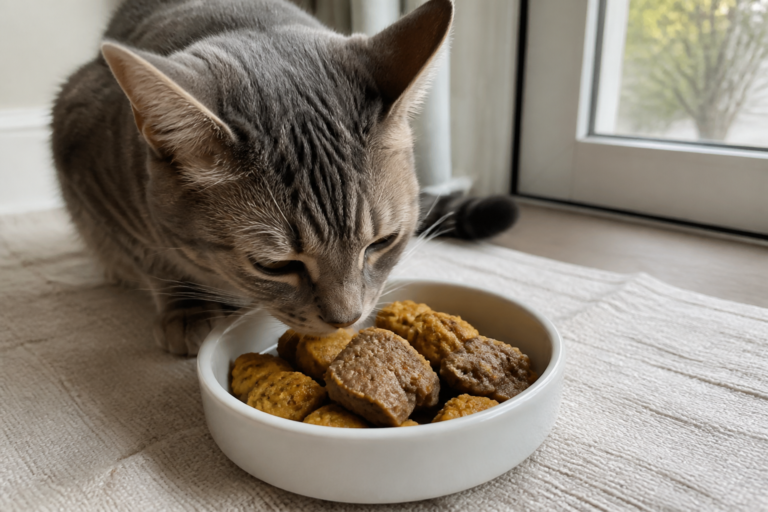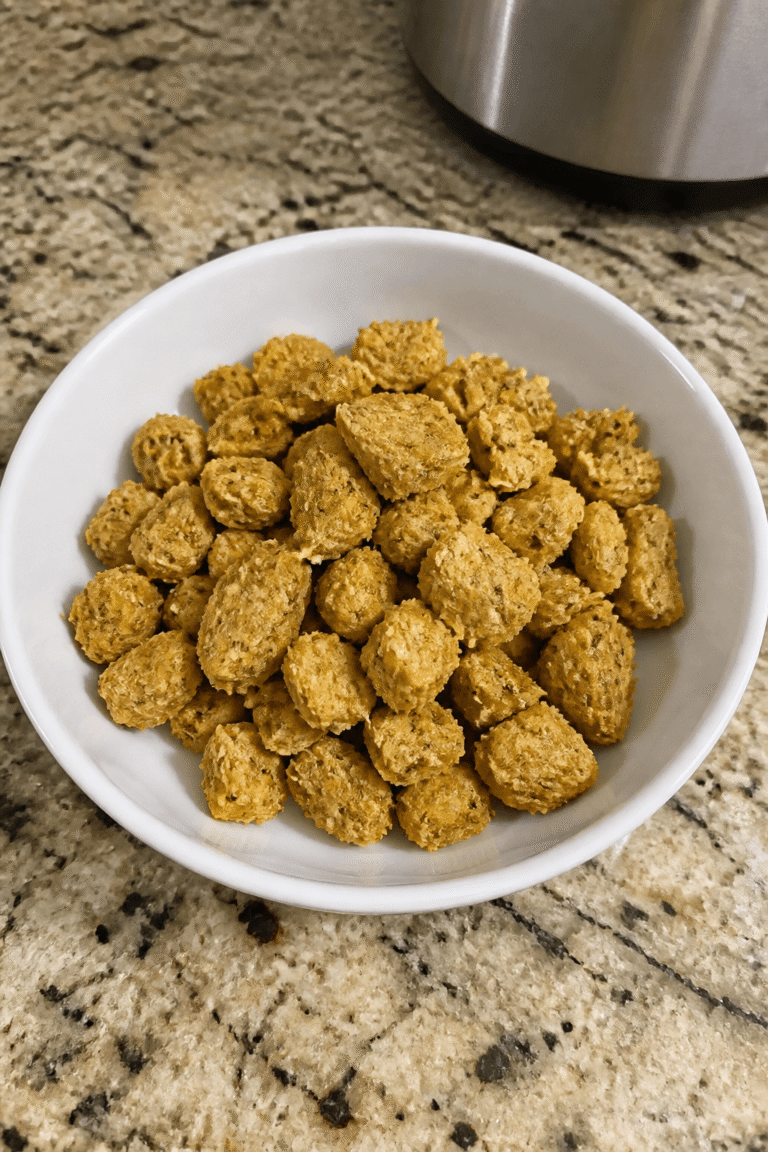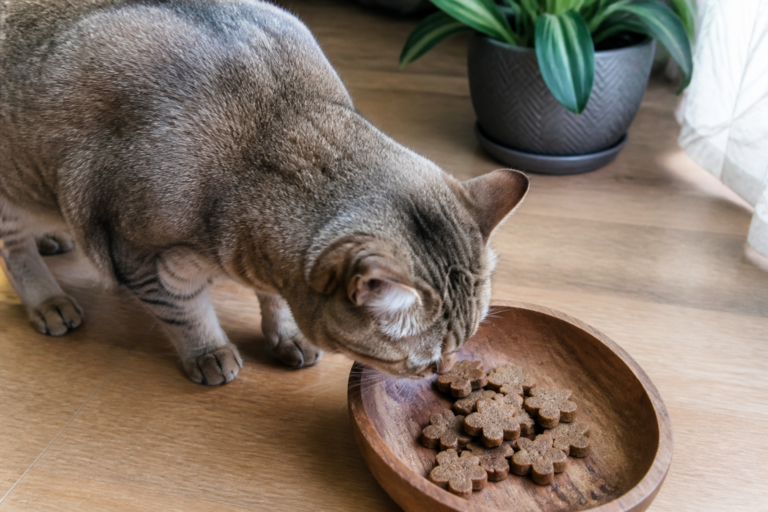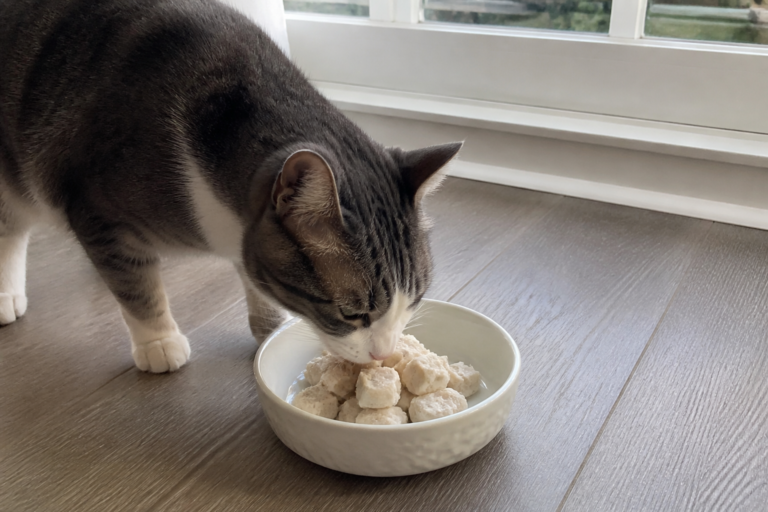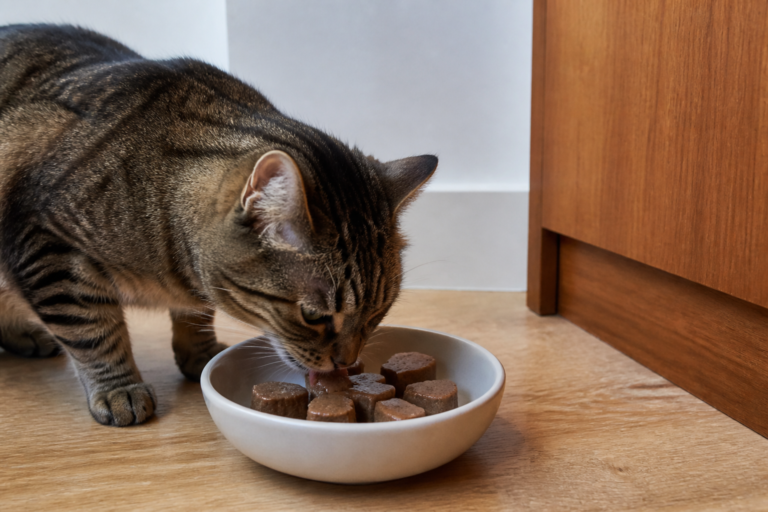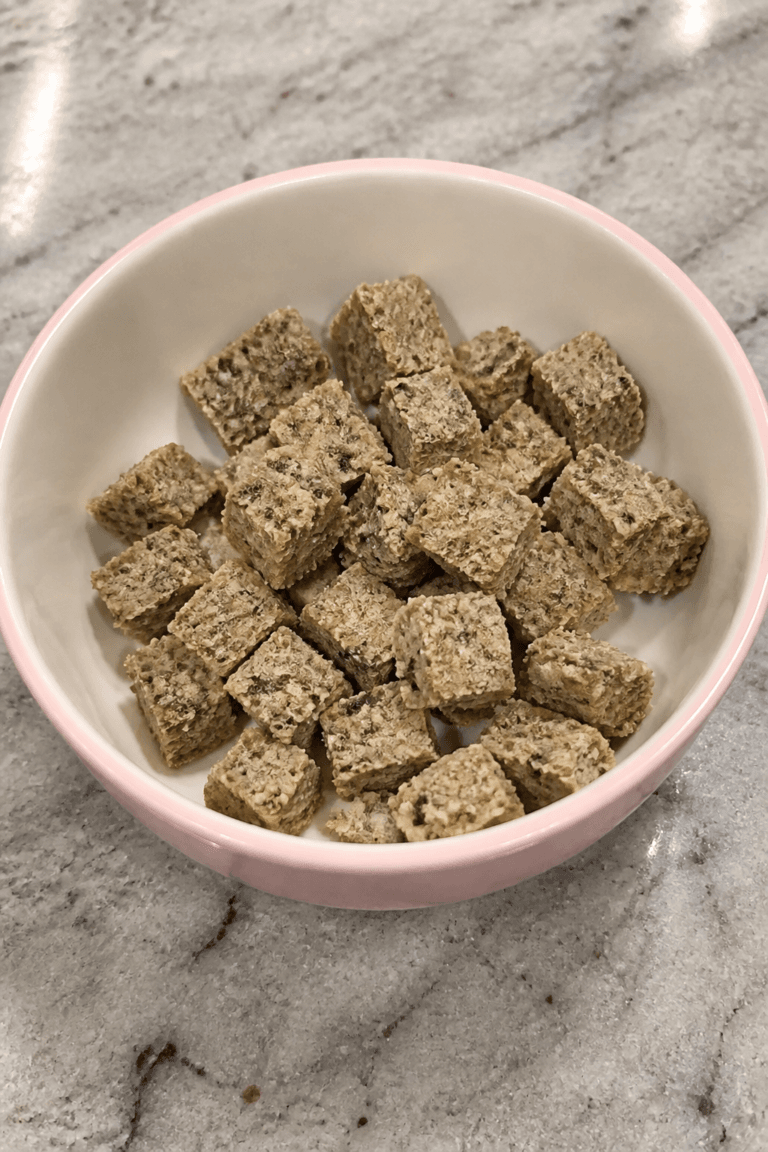
If your cat goes wild for seafood, these Air Fryer Shrimp Cat Treats can be a simple homemade snack to try. They are made for cats, not people, so the focus stays on plain, cat-safe ingredients and a small, treat-sized portion. The air fryer makes the shrimp quick to cook and easy to prepare without extra oil or seasoning.
It is a handy way to make a fresh treat at home when you want something special for your cat.
What You’ll Need
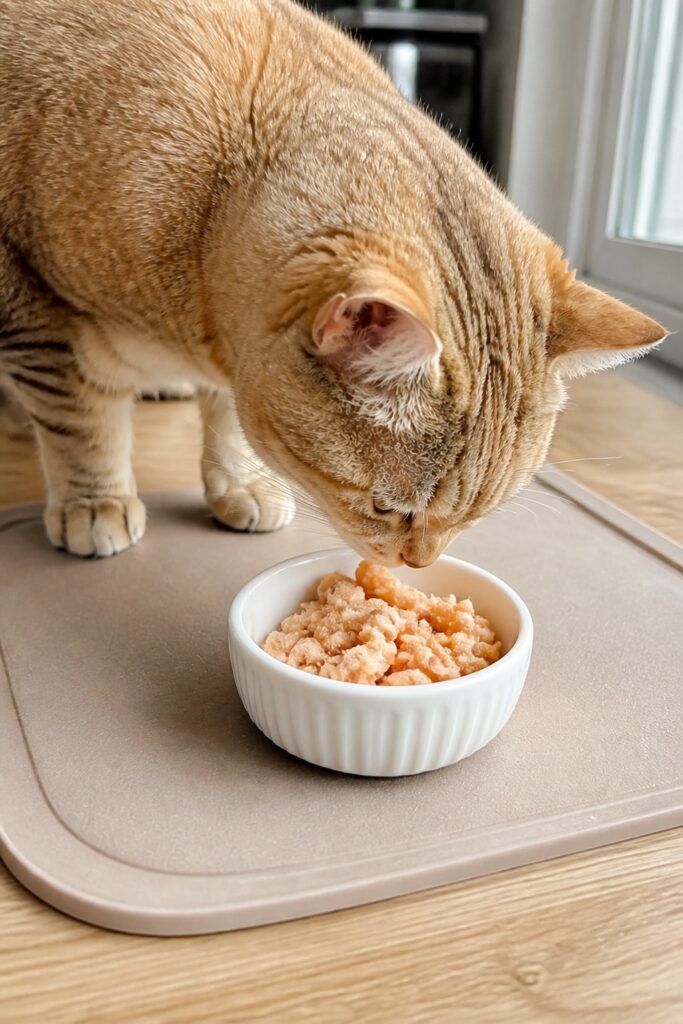
- 8 ounces raw shrimp, peeled and deveined, with tails removed
- 1 teaspoon olive oil or melted unsalted fish oil, optional for light coating
- 1 tablespoon water, if needed to help with blending or coating
- 1 tablespoon plain oat flour or finely ground rolled oats, optional for a softer coating
This recipe keeps things very simple on purpose. Cats do best with plain, easy-to-digest ingredients, and shrimp should stay the star of the show.
Step-by-Step Instructions
- Prep the shrimp. Rinse the raw shrimp under cold water and pat them dry. Make sure they are fully peeled, deveined, and free of tails or shells.
- Cut into cat-sized pieces. For most cats, cut each shrimp into 2 to 4 small pieces.
Smaller pieces are easier to chew and easier to portion.
- Add a light coating if you want one. If you are using oat flour, toss the shrimp lightly so they get a thin dusting. You can also skip this step and keep them plain.
- Brush very lightly with oil. If you choose to use olive oil, use just a small amount. This is optional, and plain shrimp works fine too.
- Preheat the air fryer. Set it to 350°F and let it warm up for a few minutes.
- Arrange the shrimp in a single layer. Place the pieces in the basket without crowding them.
This helps them cook evenly.
- Cook briefly. Air fry for about 4 to 6 minutes, shaking the basket halfway through. The shrimp should turn pink and opaque.
- Cool completely. Let the shrimp cool before serving. Cats should never eat hot food straight from the air fryer.
- Serve a small amount first. Offer one or two tiny pieces to start, especially if this is a new food for your cat.
If you want a softer texture, shorten the cook time slightly.
If your cat prefers a firmer bite, cook the shrimp a minute longer, but do not overcook them until they turn tough.
Storage Instructions
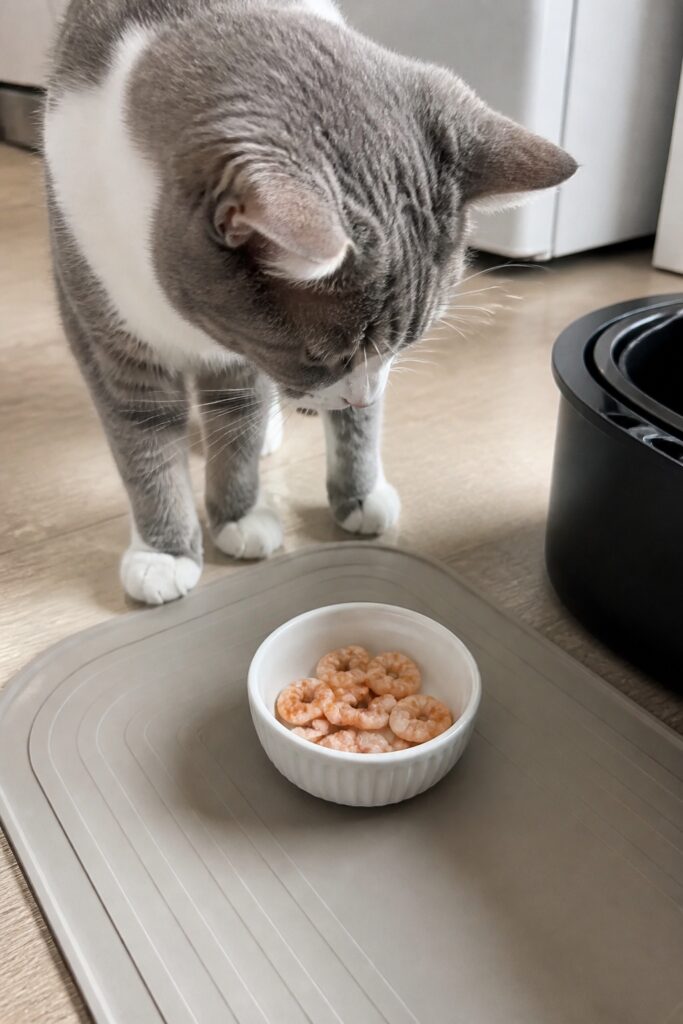
Store leftover shrimp in an airtight container in the fridge. Use them within 2 to 3 days for the best freshness and texture.
For longer storage, freeze the cooked shrimp in a single layer first, then move them to a freezer-safe bag or container. They can usually keep for about 1 month in the freezer.
Portion the shrimp into small snack-size servings before storing.
That makes it easier to grab just a few pieces at a time and avoids thawing more than your cat will eat.
Health Benefits
Shrimp offers lean animal protein, which fits well into many cat-friendly treat recipes. Cats are obligate carnivores, so protein-forward snacks are usually more appropriate than carb-heavy options.
Shrimp is also easy to chew when cooked properly, which can make it a practical treat for many cats. The simple ingredient list helps keep the recipe easy to digest for cats that do better with plain foods.
This kind of treat can work as part of a balanced feeding plan when you keep the portions small.
Treats should stay limited and should not replace a complete and balanced cat food.
Pitfalls to Watch Out For
- Do not add seasoning. Skip salt, pepper, garlic, onion, and any spice blends.
- Avoid butter and heavy oil. Cats do not need rich coatings, and too much fat can upset the stomach.
- Do not overcook the shrimp. Tough, rubbery shrimp are harder to chew and less appealing.
- Remove shells and tails completely. Small shell pieces can be a choking risk.
- Keep portions tiny. Shrimp treats should stay small, especially for cats that are on a regular meal plan.
- Watch for food sensitivities. Some cats handle seafood well, but others may not. Start with a tiny amount and see how your cat responds.
It also helps to remember that treats are not full meals. If you make these often, keep an eye on your cat’s total daily calories and trim back other extras when needed.
Variations You Can Try
- Plain shrimp bites. Skip the oat flour and oil for the simplest version.
- Turkey swap. If your cat does better with poultry, use plain cooked turkey in tiny pieces instead of shrimp.
- Chicken version. Small pieces of boneless, skinless chicken work well in the air fryer too.
- Softer treat. Cook for a shorter time and cut the shrimp smaller for cats that prefer a tender bite.
- Crunchier edge. Use a very light oat coating and air fry a minute longer for a slightly firmer texture.
Stick with simple ingredients no matter which variation you try.
The goal is always a cat-safe treat that smells appealing and stays easy to digest.
FAQ
How many Air Fryer Shrimp Cat Treats can I give my cat?
Start with 1 to 2 small pieces as a treat, especially if your cat has never had shrimp before. For most cats, treats should stay to a small part of the daily diet and should not take the place of regular cat food.
Can I use cooked shrimp from the store?
You can use plain cooked shrimp if it has no salt, seasoning, garlic, onion, or sauce. Fresh raw shrimp is still the easiest way to control the ingredients, but plain cooked shrimp can work in a pinch.
How do I know if the shrimp is cooked enough?
The shrimp should look pink and opaque all the way through.
It should not look gray or translucent in the center. If it feels rubbery or tough, it has probably cooked too long.
Can I freeze these treats in individual portions?
Yes, and that is one of the best ways to store them. Freeze the cooked shrimp in small portions, then thaw only what you need for one or two treat sessions.
Are shrimp treats safe for all cats?
Many cats enjoy shrimp, but every cat is different.
If your cat has a known food sensitivity or does not usually tolerate seafood well, skip this recipe and choose a different plain protein instead.
Can I make these into a full meal for my cat?
No, this recipe works best as a treat or topper, not a complete meal. Cats need balanced nutrition from a complete cat food, so use homemade shrimp bites as an occasional extra rather than the main diet.