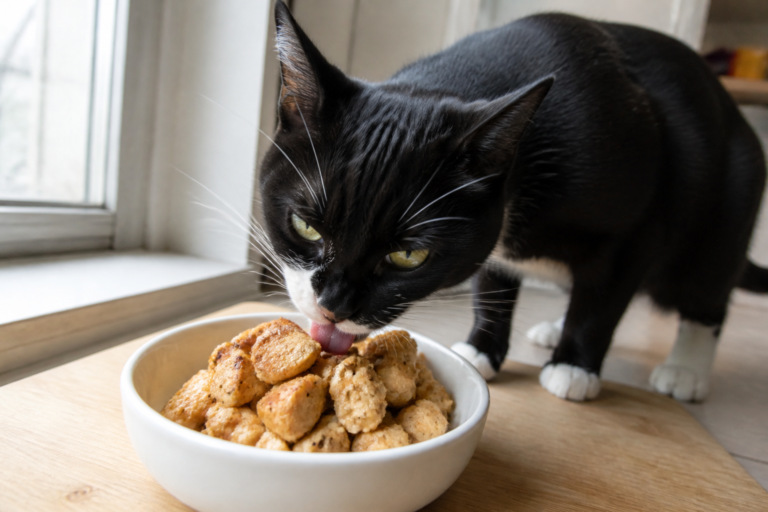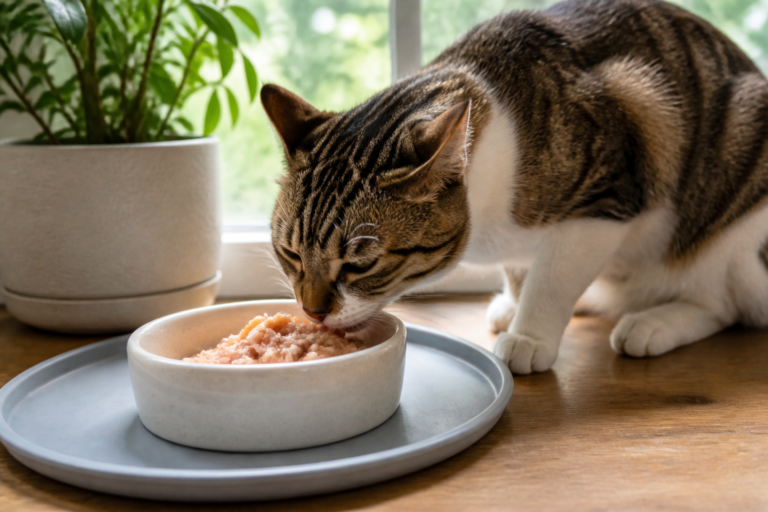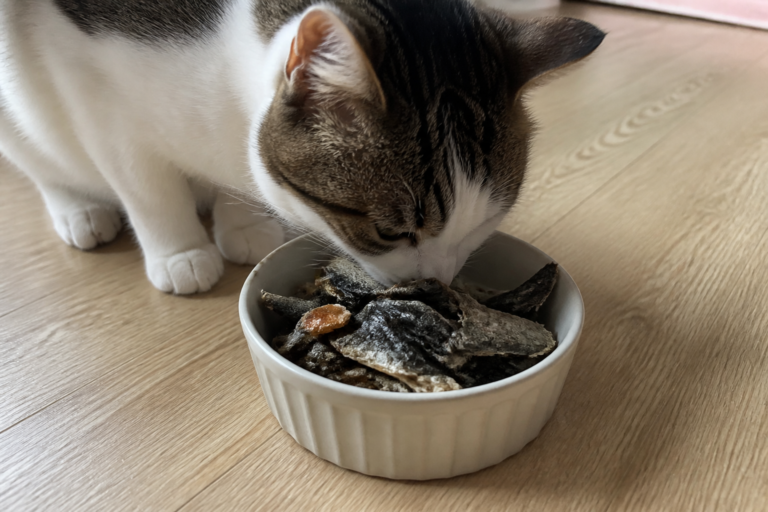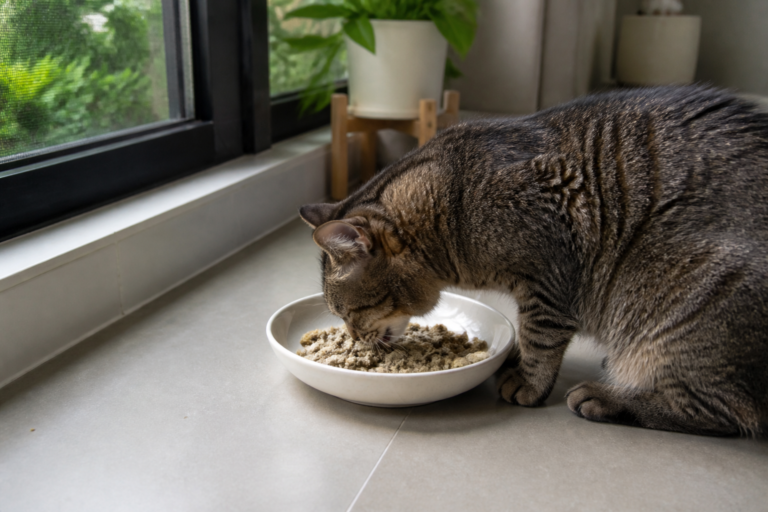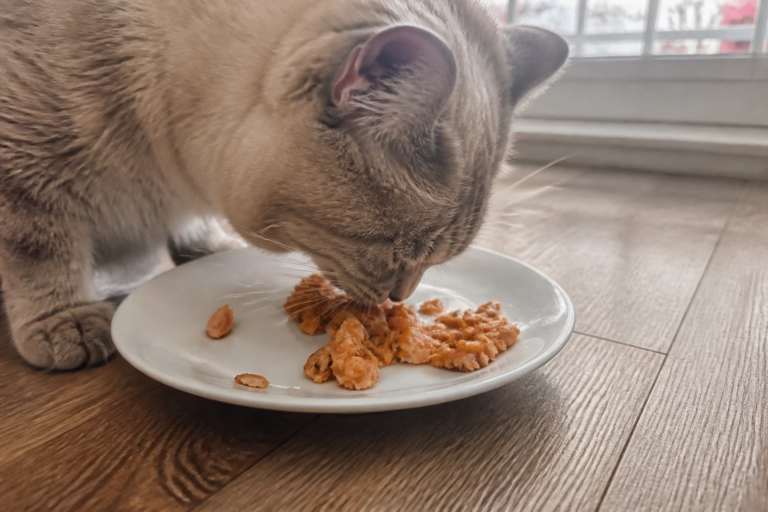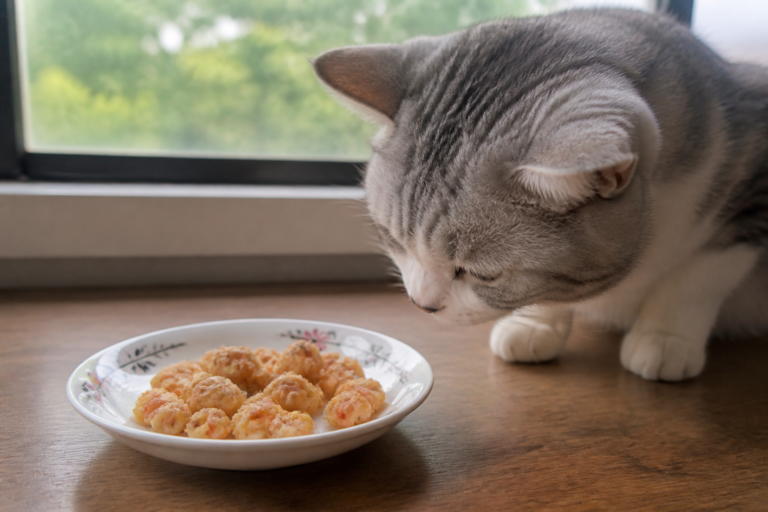
If your cat perks up at the smell of fish, these little homemade treats may become a fast favorite. Mackerel Cat Cookies are made for cats, not people, and they keep the ingredient list simple and cat-friendly. They work well as a snack, a topper, or a small reward during training.
Best of all, you can make a batch at home and know exactly what is in them.
This recipe keeps things light and practical. It uses mackerel for flavor and protein, plus a few simple ingredients to help bind the cookies together. The result is a soft, bite-sized treat that most cats can enjoy in moderation.
Ingredients
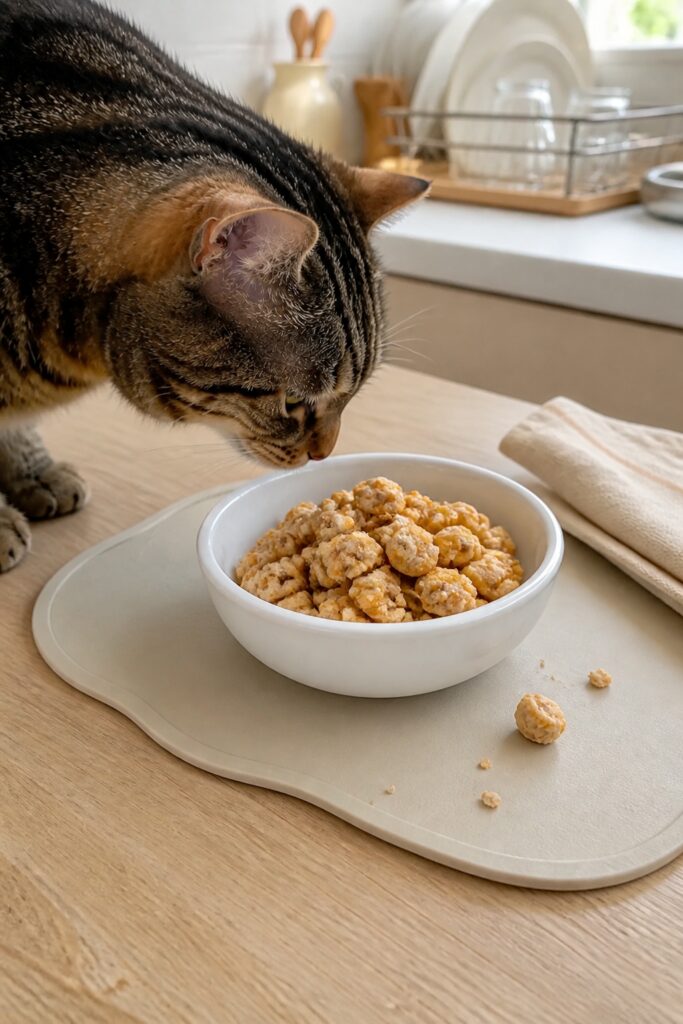
- 1 can (4 to 5 oz) mackerel in water, drained well and checked for bones
- 1 egg
- 1/2 cup oat flour or finely ground rolled oats
- 2 tablespoons plain pumpkin puree or unsweetened mashed pumpkin
- 1 tablespoon water, plus a little more if needed
- 1 teaspoon olive oil or a small amount of fish oil for cats, optional
Use mackerel packed in water, not oil or seasoning.
If the can has added salt or spices, choose a different one. Always check for tiny bones before mixing.
Instructions
- Preheat the oven to 325°F and line a baking sheet with parchment paper.
- Prepare the mackerel by draining it well and flaking it into a medium bowl. Remove any bones you can spot.
- Add the egg and pumpkin, then mash everything together until well combined.
- Stir in the oat flour and mix until a soft dough forms.
If the dough looks too wet, add a little more oat flour. If it looks dry and crumbly, add a small splash of water.
- Mix in the oil if you are using it. This can help with texture and make the cookies a little easier to shape.
- Shape small cookies using a teaspoon or your hands.
Keep them small, about the size of a pea or marble, so they are easy for cats to chew.
- Place the cookies on the baking sheet with a little space between each one.
- Bake for 15 to 18 minutes, or until the cookies feel set and lightly firm.
- Cool completely before serving. Cats should never get warm baked treats straight from the oven.
If your cat prefers a softer texture, you can pull them from the oven a little early. For a crunchier cookie, bake them a few extra minutes and let them dry out in the turned-off oven with the door cracked open.
Keeping It Fresh
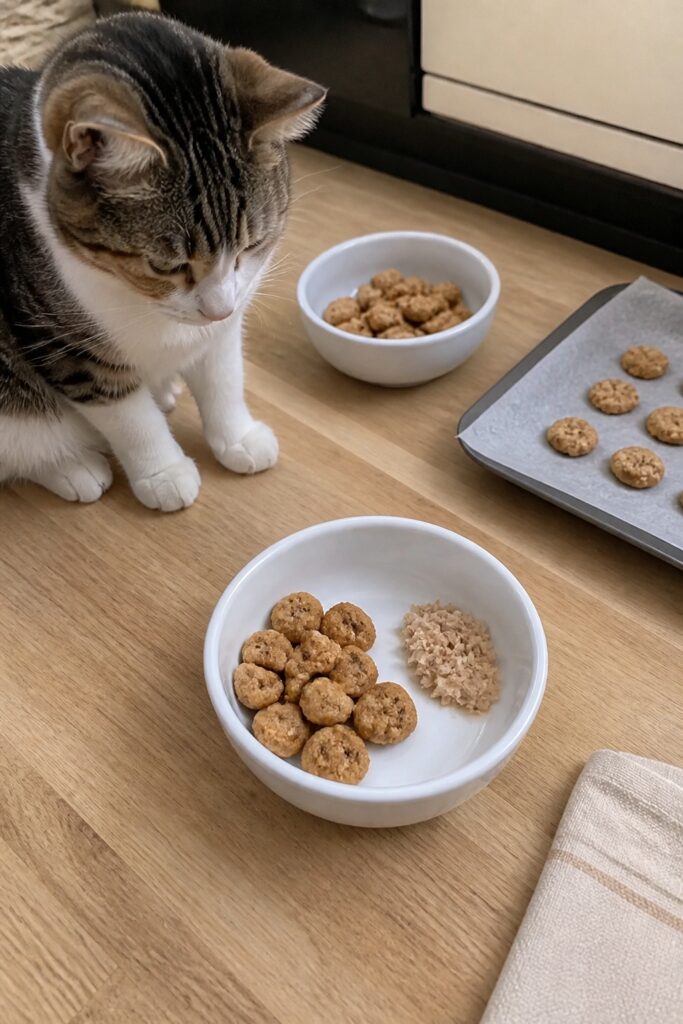
Store the cookies in an airtight container in the refrigerator for up to 4 days.
Because these treats use fish and egg, they should stay cold when not in use. Let them sit at room temperature for a few minutes before serving so they are not too cold for your cat.
For longer storage, freeze them in a single layer first, then move them to a freezer-safe bag or container. They keep well for about 1 to 2 months in the freezer.
Thaw only the amount you need, since repeated thawing can affect freshness.
Portion them out ahead of time if you plan to use these as training treats. A few tiny cookies go a long way for most cats, especially when the recipe includes rich fish.
Health Benefits
Mackerel brings a strong, cat-pleasing protein source that fits well into a feline-focused recipe. Cats need animal-based protein, and fish often makes homemade treats more appealing to picky eaters.
Oat flour and pumpkin help with texture and keep the recipe simple.
They also make the cookies easier to shape without relying on heavy fillers or unnecessary ingredients.
Homemade treats support balanced meal planning because you control the portion size and avoid extra salt, sugar, and additives. That said, treats should stay a small part of your cat’s overall diet, not replace a complete and balanced cat food.
Smaller servings help with digestion and calorie control. Fish-based treats can be rich, so a little can satisfy your cat without overdoing it.
What Not to Do
- Do not use mackerel packed with seasoning, especially garlic, onion, or heavy salt.
- Do not add onion, garlic, chives, or leeks.
These are unsafe for cats.
- Do not use xylitol, chocolate, grapes, raisins, alcohol, or caffeine in any form.
- Do not rely on milk, cream, or lots of cheese. Many cats do not handle dairy well.
- Do not leave bones in the mix. Even small bones can be a choking risk.
- Do not make the cookies too large.
Big pieces can be hard for cats to chew safely.
- Do not overfeed. These are treats, not a full meal replacement.
It also helps to avoid strong seasonings, butter-heavy doughs, and salty canned fish meant for people. Cats do best with simple recipes that focus on safe protein and small portions.
Variations You Can Try
- Swap the mackerel for canned salmon packed in water, drained well, and checked for bones.
- Use tuna occasionally for a different flavor, but keep it as an occasional treat rather than a daily habit.
- Try rice flour instead of oat flour if your cat seems to prefer a lighter texture.
- Use mashed sweet potato in place of pumpkin for a slightly different flavor and softer cookie.
- Make them softer by baking for less time and storing them in the fridge.
- Make them crunchier by rolling the dough thinner and baking a little longer.
If your cat is very selective, start with a tiny batch and see how they respond.
Some cats love fish right away, while others prefer a milder flavor or a softer texture.
FAQ
How many Mackerel Cat Cookies can I give my cat?
Start with 1 to 2 small cookies and see how your cat does. Treats should stay small compared with your cat’s regular meals, especially if your cat is less active or already gets other treats during the day.
Can I use fresh mackerel instead of canned?
Yes, as long as you cook it plain and remove all bones. Avoid seasoning, butter, oil-heavy cooking, and sauces.
Plain cooked fish works best for cat recipes like this one.
How long do these cookies last in the fridge?
They usually keep for up to 4 days in an airtight container in the refrigerator. If you want to keep them longer, freeze them and thaw only what you need.
Are these safe for kittens?
Kittens can be more sensitive to new foods, so keep portions very small and introduce any homemade treat slowly. If your kitten already eats a complete kitten food, treat these cookies as an occasional taste, not a main food.
Can I make these without egg?
Yes, you can try a little extra pumpkin or a small spoonful of plain mashed sweet potato to help bind the dough.
The texture may be softer, so you may need a bit more flour to keep the cookies together.
What if my cat does not like fish?
You can swap in another cat-safe protein, such as cooked chicken or plain cooked turkey. Keep the recipe simple and avoid seasonings so the flavor stays cat-friendly.
Mackerel Cat Cookies are a simple way to make a special homemade treat for your cat. Keep the portions small, the ingredients plain, and the storage fresh, and you will have an easy recipe you can feel good about serving.