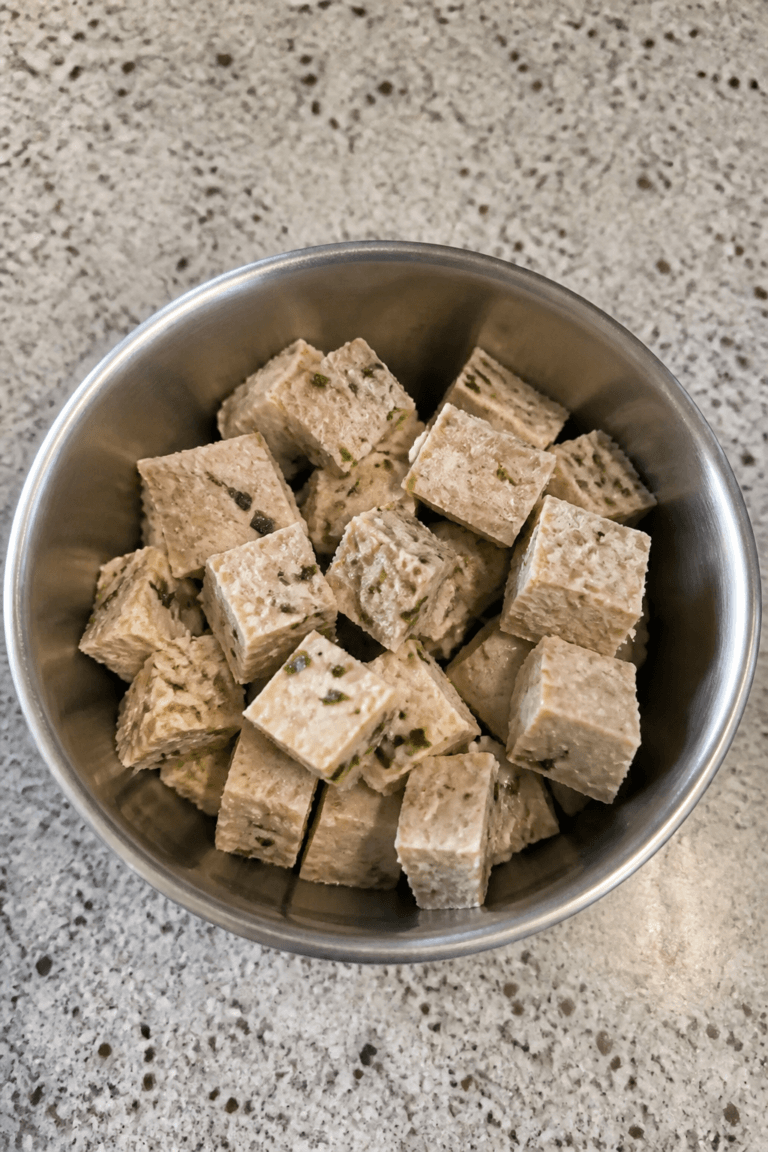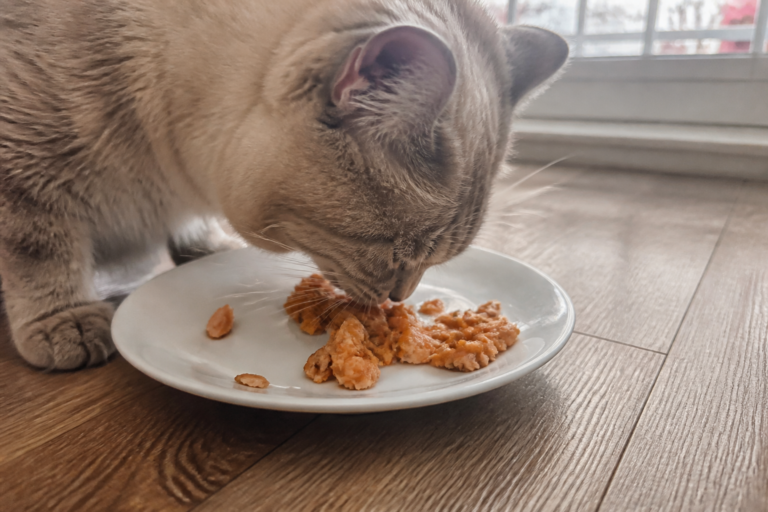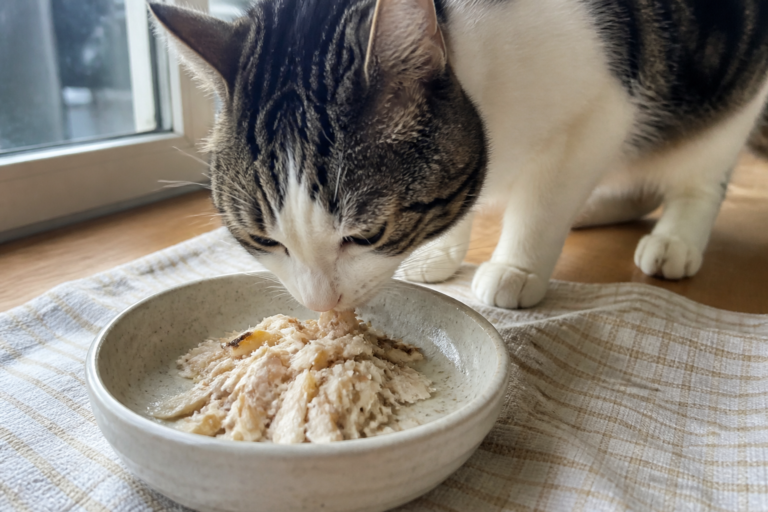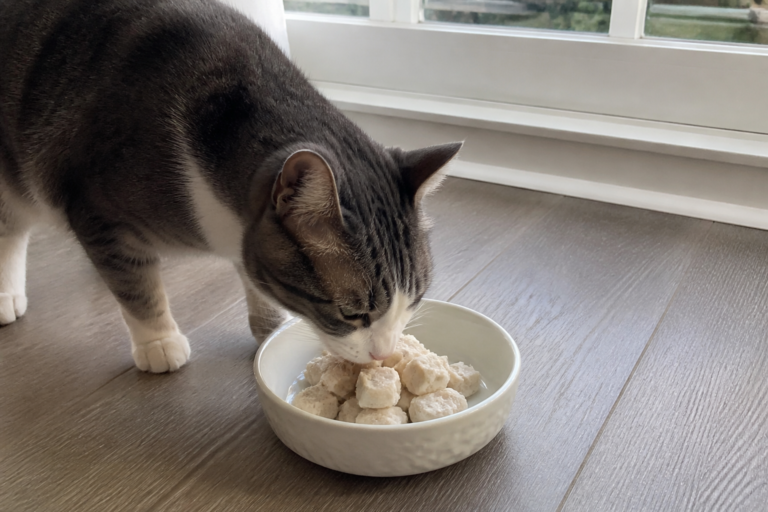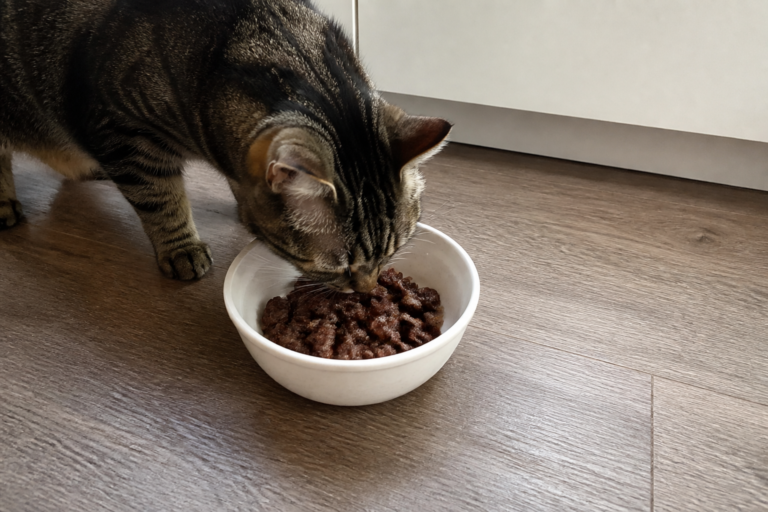
Let’s be honest. Cats are picky. One minute they love a treat, the next they turn their nose up like you offered them cardboard.
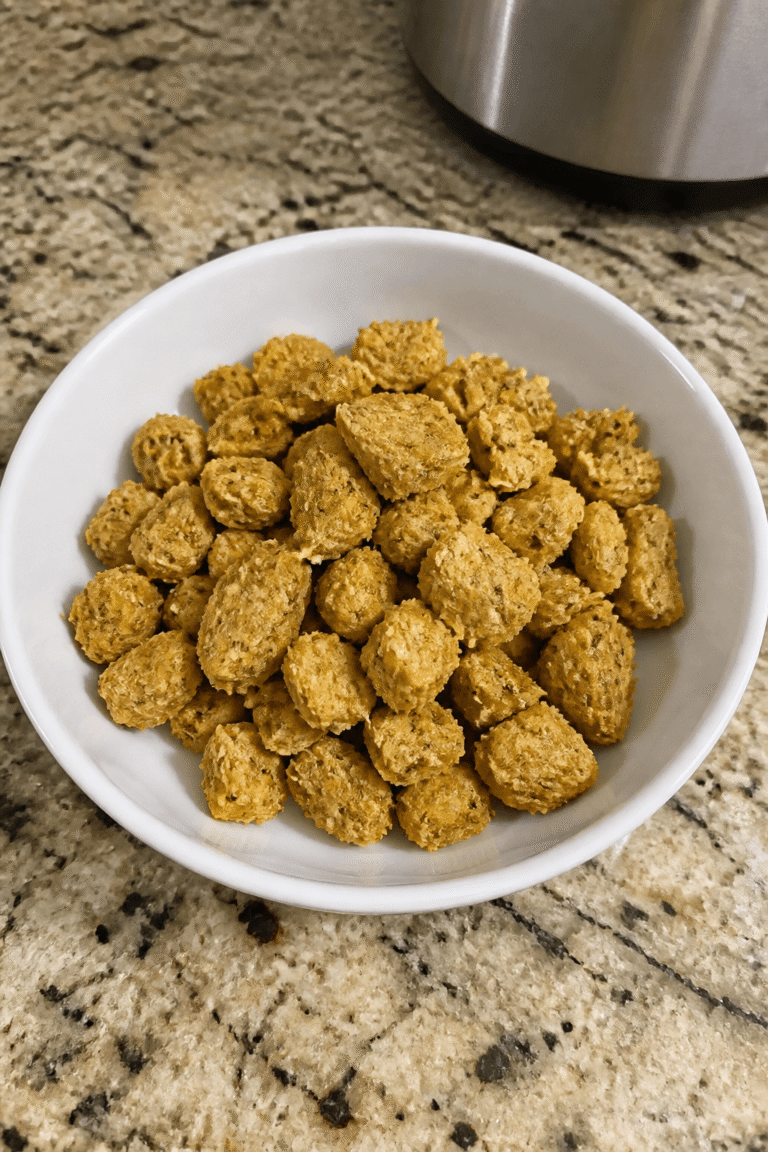
But these Baked Salmon Cat Treats with Catnip? They hit different. The combo of rich salmon and that irresistible catnip creates a snack your feline friend won’t ignore.
Plus, you control every ingredient. No mystery fillers, no weird preservatives. Just real food your cat deserves.
Ingredients
- 1 can (6 ounces) wild-caught salmon, drained and flaked (no salt added)
- 1 large egg
- 1/2 cup oat flour (or finely ground rolled oats)
- 1 tablespoon dried catnip
- 1 tablespoon coconut oil, melted
That’s it. Five simple ingredients. Your kitchen probably has most of them already.
Instructions
- Preheat your oven to 350°F (175°C). Line a baking sheet with parchment paper.
- In a mixing bowl, combine the drained salmon and the egg. Mash with a fork until well blended.
- Add the oat flour, dried catnip, and melted coconut oil. Stir until a thick dough forms.
- Roll the dough into small bite-sized balls, about the size of a marble. Place them on the prepared baking sheet.
- Flatten each ball slightly with your fingers or the back of a fork. This helps them bake evenly.
- Bake for 12 to 15 minutes, until the treats are firm and lightly golden on the edges.
- Let them cool completely on the baking sheet before serving. They’ll firm up more as they cool.
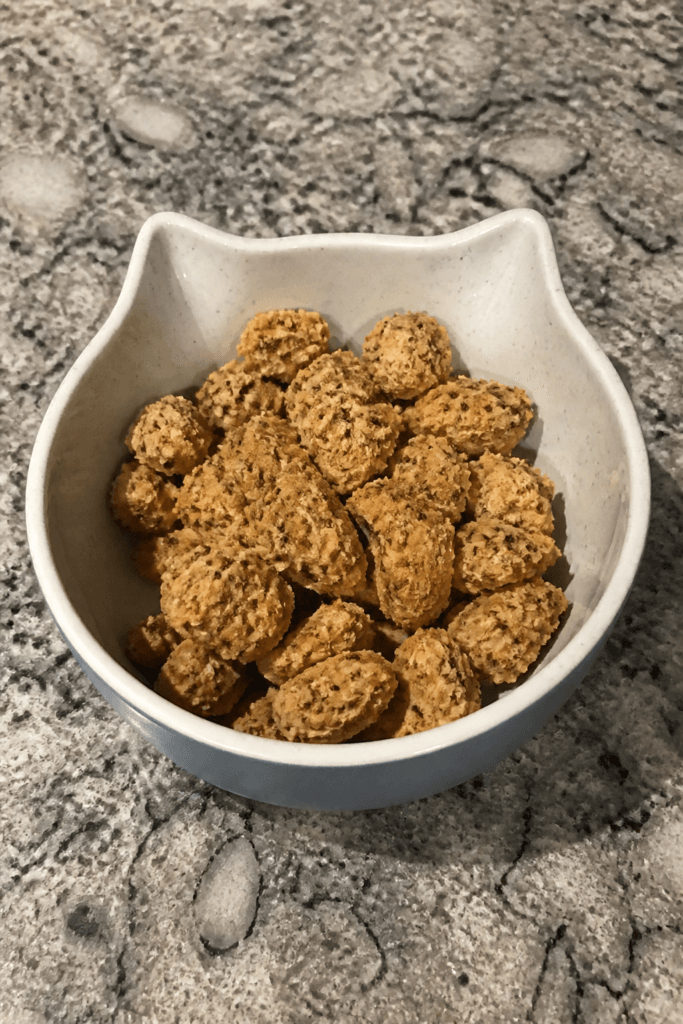
Your kitchen will smell amazing. Salmon and catnip is a surprisingly good combo for human noses too.
Calories and Nutrition
| Nutrient | Per Treat (approx.) |
|---|---|
| Calories | 12 kcal |
| Protein | 1.5 g |
| Fat | 0.6 g |
| Carbs | 0.8 g |
| Fiber | 0.1 g |
These numbers are estimates based on 30 treats per batch. Your cat’s size matters here. A 10-pound cat can handle about 3 to 4 treats per day as a supplement to their regular diet.
Kittens under 6 months should get 1 treat per day max. Always adjust based on your cat’s activity level and weight.
Storage Tips
Keep these treats fresh and tasty. No cat wants a stale snack.
- Store in an airtight container in the refrigerator for up to 1 week.
- For longer storage, freeze them in a zip-top bag for up to 3 months. Thaw a few at a time in the fridge.
- Avoid leaving them out at room temperature for more than a few hours. Moisture from the salmon can spoil quickly.
- If you notice any off smell or mold, toss the batch. Better safe than sorry.
Pro tip: Make a double batch and freeze half. Then you always have emergency treats ready for vet visits or bribery sessions.
Feeding Suggestions
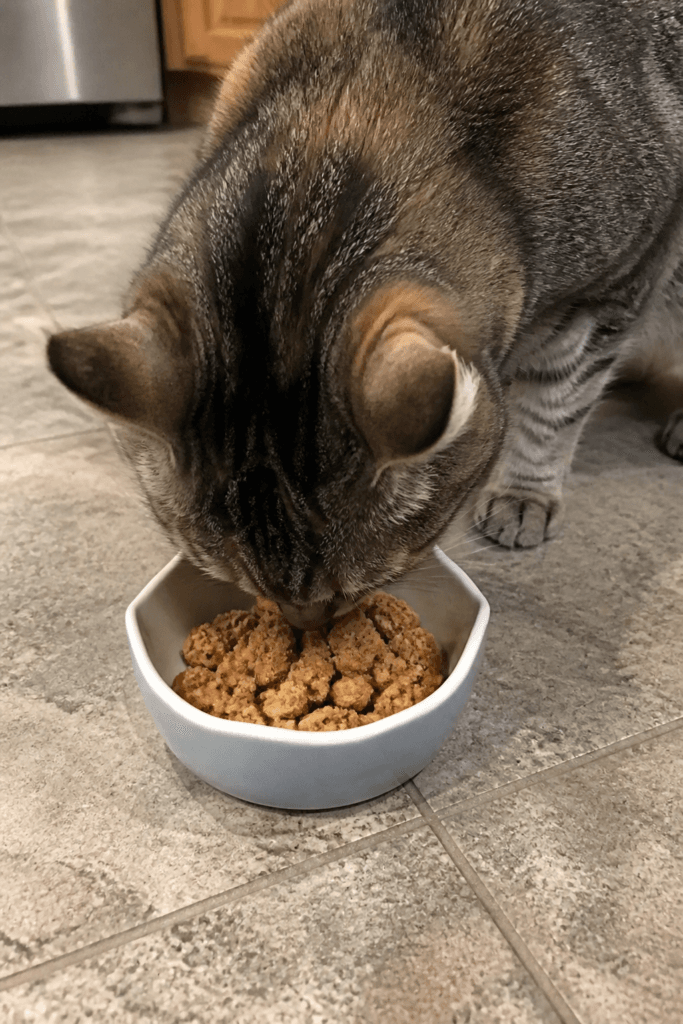
Treats are treats, not meals. Keep that in mind.
- Use these as training rewards. Cats can learn tricks too, IMO. A salmon treat works way better than a clicker alone.
- Crumble one over your cat’s regular food to entice a picky eater. The salmon aroma is hard to resist.
- Break larger treats in half for smaller cats or kittens. Portion control matters.
- Limit to no more than 10% of your cat’s daily calorie intake. For an average 10-pound cat, that’s about 4 treats max per day.
And here’s a fun one. Hide a few treats around the house for a mini scavenger hunt. Cats love the hunt almost as much as the reward.
Nutritional Benefits
This recipe isn’t just tasty. It’s packed with good stuff.
- Salmon provides high-quality animal protein and omega-3 fatty acids. These support a shiny coat, healthy skin, and joint health. Wild-caught is ideal but canned works great.
- Catnip is a natural mood booster for most cats. It can reduce stress and encourage play. About 50-70% of cats respond to it. If yours doesn’t, no worries. The treats still taste great.
- Eggs add extra protein and essential amino acids. They also help bind the dough without artificial fillers.
- Coconut oil offers medium-chain triglycerides (MCTs) that support brain function and energy. It also helps keep your cat’s coat glossy.
- Oat flour provides gentle fiber for digestion. Unlike wheat, oats are less likely to cause allergies in cats.
Every ingredient earns its spot. No fluff, no filler.
Health Considerations and What to Avoid
Cats have specific dietary needs. Don’t mess with them.
- No garlic or onion powder. Ever. These are toxic to cats and can cause anemia. Stick to the recipe as written.
- No salt or seasoning. Canned salmon labeled “no salt added” is your safest bet. Extra sodium can harm a cat’s kidneys.
- No raw eggs. Use a cooked egg or bake the treats thoroughly. Raw egg whites contain avidin, which can block biotin absorption in cats.
- Watch for catnip sensitivity. Some cats get overstimulated or aggressive. If your cat seems agitated after eating these, reduce the amount or skip the catnip next batch.
- Avoid overfeeding. Treats are fun but too many can lead to obesity or digestive upset. Your cat will beg for more. Stay strong.
If your cat has kidney disease, diabetes, or food allergies, check with your vet before adding new treats. Salmon is generally safe but every cat is different.
FAQs
Can kittens eat these salmon catnip treats?
Yes, but in moderation. Kittens under 6 months can have 1 treat per day. Make sure the treats are small enough to avoid choking. Watch for any digestive changes after the first treat.
Can I use fresh salmon instead of canned?
Absolutely. Cook the salmon fully (bake or poach) and remove all bones and skin. Flake it and use the same amount. Fresh salmon may have more moisture, so you might need a little extra oat flour to firm up the dough.
My cat ignores catnip. Will these still work?
Yes. Catnip only affects about half to two-thirds of cats. The salmon flavor is still highly appealing. Your cat will likely enjoy these treats even without the catnip response. You can also try silver vine or valerian root as alternatives.
How long do these treats stay fresh at room temperature?
Not long. Because of the salmon and egg, these treats should be refrigerated within 2 hours of baking. At room temperature, they last maybe 4-6 hours max. Refrigeration is your best bet for safety and freshness.