Grooming your dog at home can save time and money. But cutting the coat wrong can lead to damage, uneven patches, or skin irritation.
In this guide, we will explain how to cut dog hair at home without ruining the coat using safe tools and proper techniques. You will learn about coat types, preparation, step-by-step cutting methods, and aftercare.
Why Cutting Dog Hair at Home Can Be Tricky
Dog coats are different from human hair. They have a natural growth cycle and texture. Cutting incorrectly can disrupt the coat’s ability to regulate temperature or protect the skin.
Common mistakes include using dull blades, cutting too close to the skin, or ignoring matting. These errors can cause coat damage, skin irritation, or uneven regrowth.
Benefits of Learning to Cut Dog Hair at Home
- Saves money on professional grooming fees.
- Reduces stress for dogs that dislike grooming salons.
- Allows you to bond with your pet during grooming sessions.
- Gives you control over the style and length of the coat.
Understanding Your Dog’s Coat Type
Before cutting, identify your dog’s coat. Each type needs a different approach. Using the wrong method can ruin the coat’s natural protection.
Common Coat Types
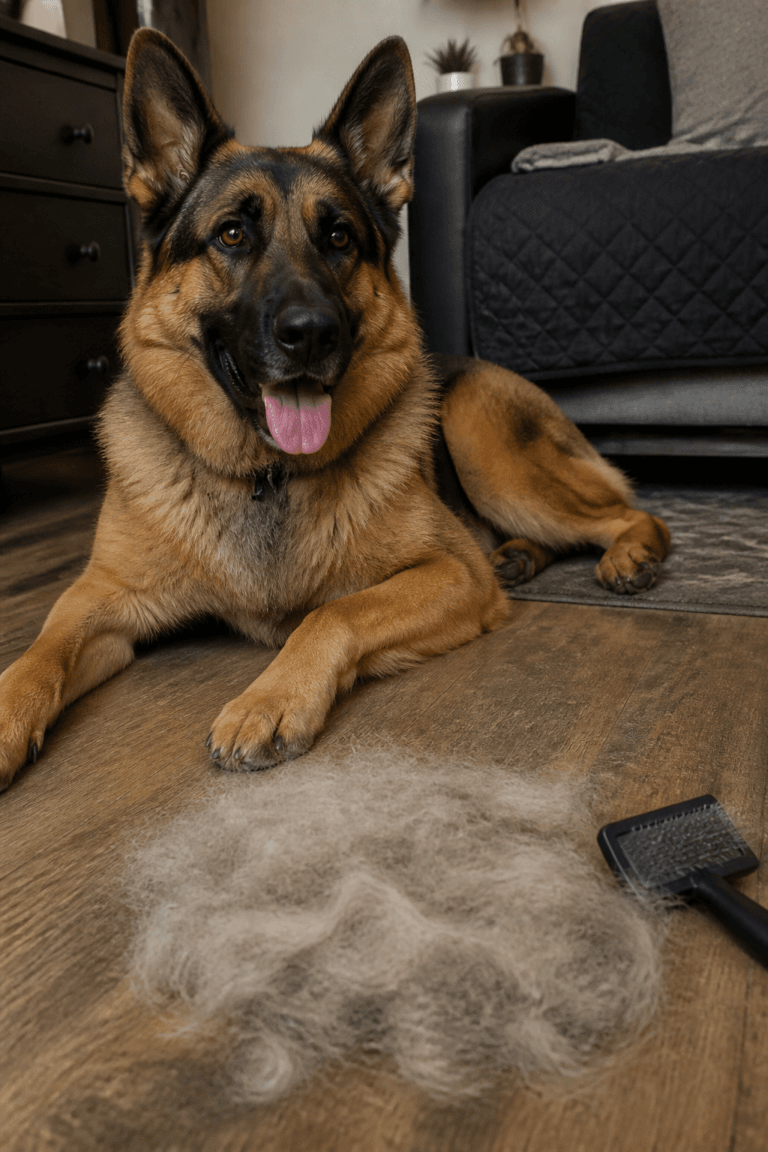
- Double coat: Found in breeds like Huskies, Golden Retrievers, and German Shepherds. Has a soft undercoat and a coarse outer coat.
- Single coat: Found in Poodles, Bichon Frises, and Shih Tzus. Grows continuously without shedding much.
- Wire coat: Found in Terriers and Schnauzers. Has a rough, wiry texture.
- Smooth coat: Found in Beagles, Boxers, and Dobermans. Short and close to the body.
Why Coat Type Matters
- Double coats keep dogs cool in summer and warm in winter. Cutting too short ruins this insulation.
- Single coats can be trimmed but need careful blending to avoid choppy layers.
- Wire coats require hand stripping or special clipper blades to avoid breaking the hair.
- Smooth coats rarely need cutting. Just brushing and occasional trimming.
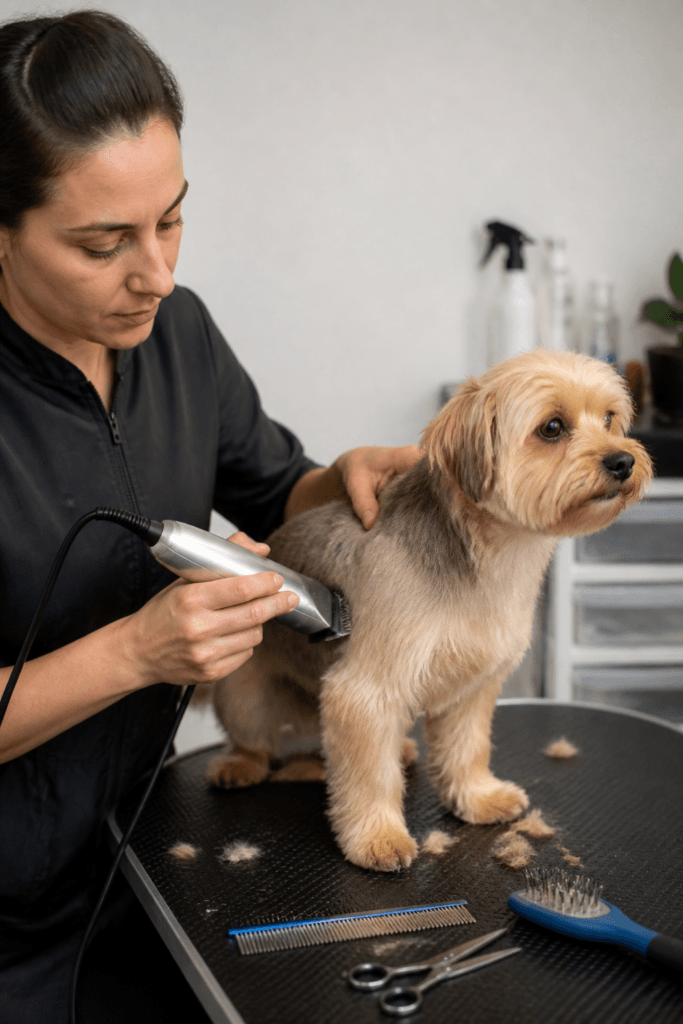
Tools You Need for Safe Home Grooming
Using the right tools prevents coat damage. Invest in quality equipment for a smooth cut.
Essential Tools
- Dog clippers with adjustable blades. Use a #10 blade for body and a #30 blade for paws and face.
- Scissors with rounded tips for safety. Use straight scissors for body and curved scissors for face.
- Slicker brush to remove tangles and loose hair.
- Comb to check for mats and to lift hair before cutting.
- Nail clippers and styptic powder in case of cuts.
Optional Tools
- Grooming table with a non-slip surface.
- Clipper oil to keep blades cool and sharp.
- Coat spray to reduce static and make hair easier to cut.
Step-by-Step Guide to Cutting Dog Hair at Home
Follow these steps to cut your dog’s hair safely. Work slowly and check your progress often.
Step 1: Prepare Your Dog
- Brush your dog thoroughly to remove mats and tangles. Mats pull on the skin and can cause clipper burns.
- Bathe your dog with a gentle dog shampoo and dry completely. Wet hair clogs clippers and cuts unevenly.
- Make sure your dog is calm. Offer treats and take breaks.
Step 2: Choose the Right Blade
- For double coats, use a snap-on comb guard to leave at least 1 inch of hair. Never shave a double coat bald.
- For single coats, use a #10 blade for a short cut or a longer guard for a fluffy look.
- For wire coats, use a #10 blade or hand strip for a natural texture.
Step 3: Start Cutting the Body
- Begin at the neck and move toward the tail. Cut in the direction of hair growth to avoid irritation.
- Use slow, steady strokes. Do not press hard. Let the clipper do the work.
- Check for skin folds or loose skin around the armpits, belly, and legs. Pull the skin taut before cutting.
Step 4: Cut the Legs and Paws
- For legs, cut with the hair growth. Use scissors to trim around the paws and between the pads.
- Be careful with the dewclaws. Cut around them gently.
Step 5: Trim the Face and Head
- Use scissors with rounded tips. Cut small sections at a time.
- For the muzzle, trim hair around the eyes and mouth. Avoid cutting whiskers unless needed.
- For the ears, trim hair inside the ear canal only if it blocks airflow. Use a blunt-nosed scissors.
Step 6: Check for Evenness
- Use a comb to lift hair and see if any sections are longer. Trim those areas.
- Look at your dog from all sides. Make sure the coat looks natural and not choppy.
Common Mistakes to Avoid
Avoiding errors keeps the coat healthy and your dog comfortable.
Mistakes That Ruin the Coat
- Shaving a double coat: This destroys the undercoat and can cause permanent damage. The coat may not grow back properly.
- Using dull blades: They pull hair and cause pain. Replace blades when they feel hot or snag.
- Cutting wet hair: Wet hair clogs clippers and cuts unevenly. Always dry your dog first.
- Ignoring mats: Cutting over mats can cut the skin. Remove mats with a mat splitter or scissors first.
- Cutting too short: This exposes skin to sunburn and cold. Leave at least 1 inch for protection.
Aftercare for a Healthy Coat
After cutting, care for the coat to keep it shiny and strong.
Post-Grooming Tips
- Brush your dog gently to remove loose clippings and distribute natural oils.
- Apply a leave-in conditioner or coconut oil to moisturize the skin and coat.
- Check for any cuts or irritation. Use a mild antiseptic if needed.
- Wash clipper blades with a brush and oil them to prevent rust.
How Often to Cut Dog Hair at Home
- Double coats: Cut every 6 to 8 weeks. Do not shave in summer.
- Single coats: Cut every 4 to 6 weeks to maintain shape.
- Wire coats: Hand strip or cut every 8 to 12 weeks.
- Smooth coats: Trim only as needed, usually every 3 to 4 months.
When to Call a Professional
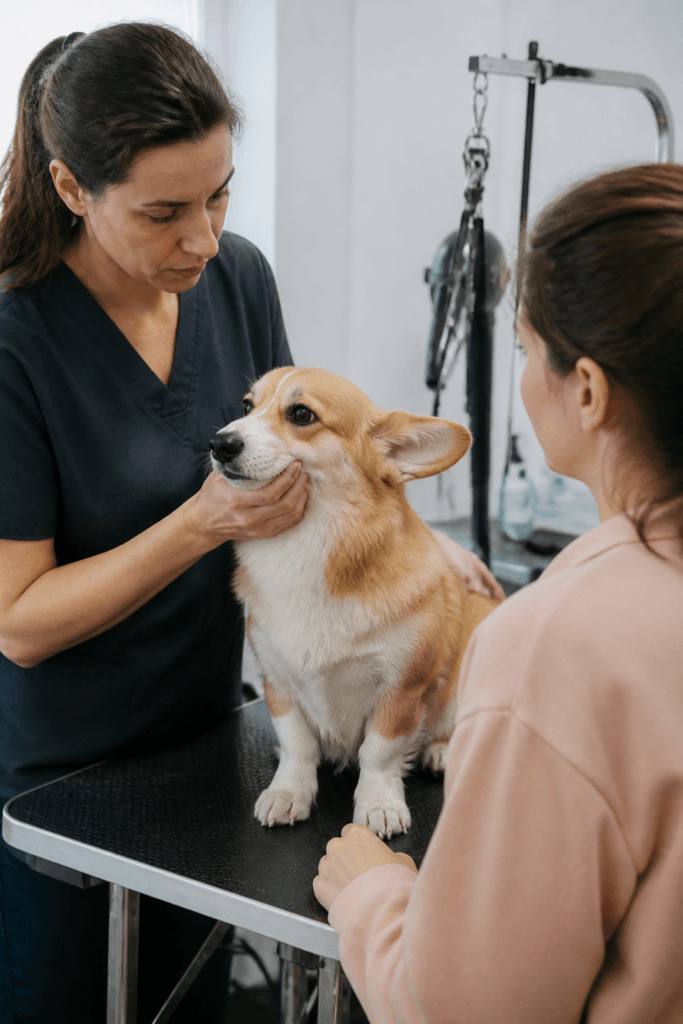
Some situations require a groomer or vet. Do not attempt these at home.
- Your dog has severe matting close to the skin.
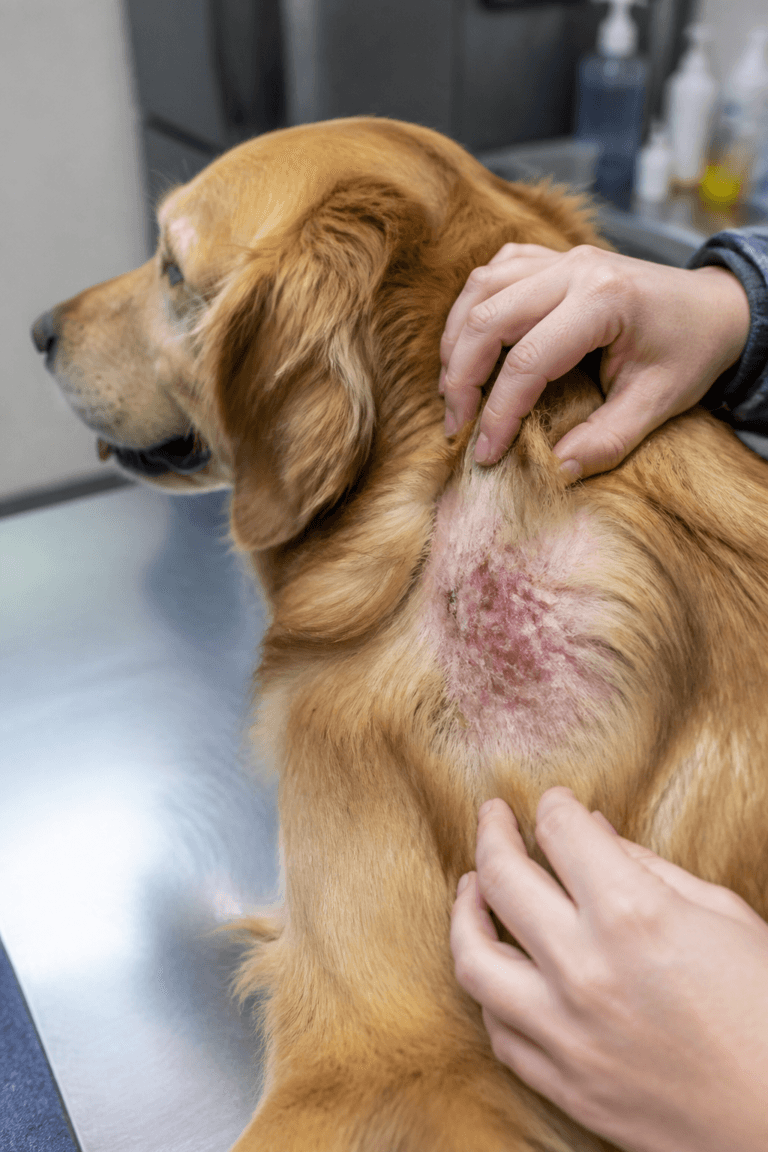
- You see skin infections, hot spots, or parasites.
- Your dog is aggressive or fearful of grooming tools.
- You want a specific breed cut like a Poodle clip or Schnauzer beard.
Quick Guide for Cutting Different Coat Types
| Coat Type | Best Blade | Cutting Direction | Length to Leave | Special Care |
|---|---|---|---|---|
| Double coat | #10 with guard | With growth | 1 to 2 inches | Never shave bald |
| Single coat | #10 or #30 | With growth | 0.5 to 1 inch | Blend layers well |
| Wire coat | #10 or hand strip | Against growth for texture | 0.5 to 1 inch | Avoid clipping too close |
| Smooth coat | Scissors only | With growth | Trim only tips | Rarely needs cutting |
Key Takeaways for Cutting Dog Hair at Home
- Know your dog’s coat type before cutting.
- Use sharp, clean tools and appropriate blades.
- Always cut in the direction of hair growth.
- Never shave a double coat completely.
- Take breaks and reward your dog for good behavior.
- After grooming, brush and moisturize the coat.
By following these steps, you can cut dog hair at home without ruining the coat. Practice on small sections first. With patience and the right tools, your dog will look neat and feel comfortable.