Bringing home a new puppy is an exciting time. But the first 30 days are critical for building a strong foundation.
A structured puppy training plan helps your new dog learn good habits early. This guide covers everything you need for the first month with your puppy.
Week 1: Settling In and Basic Rules
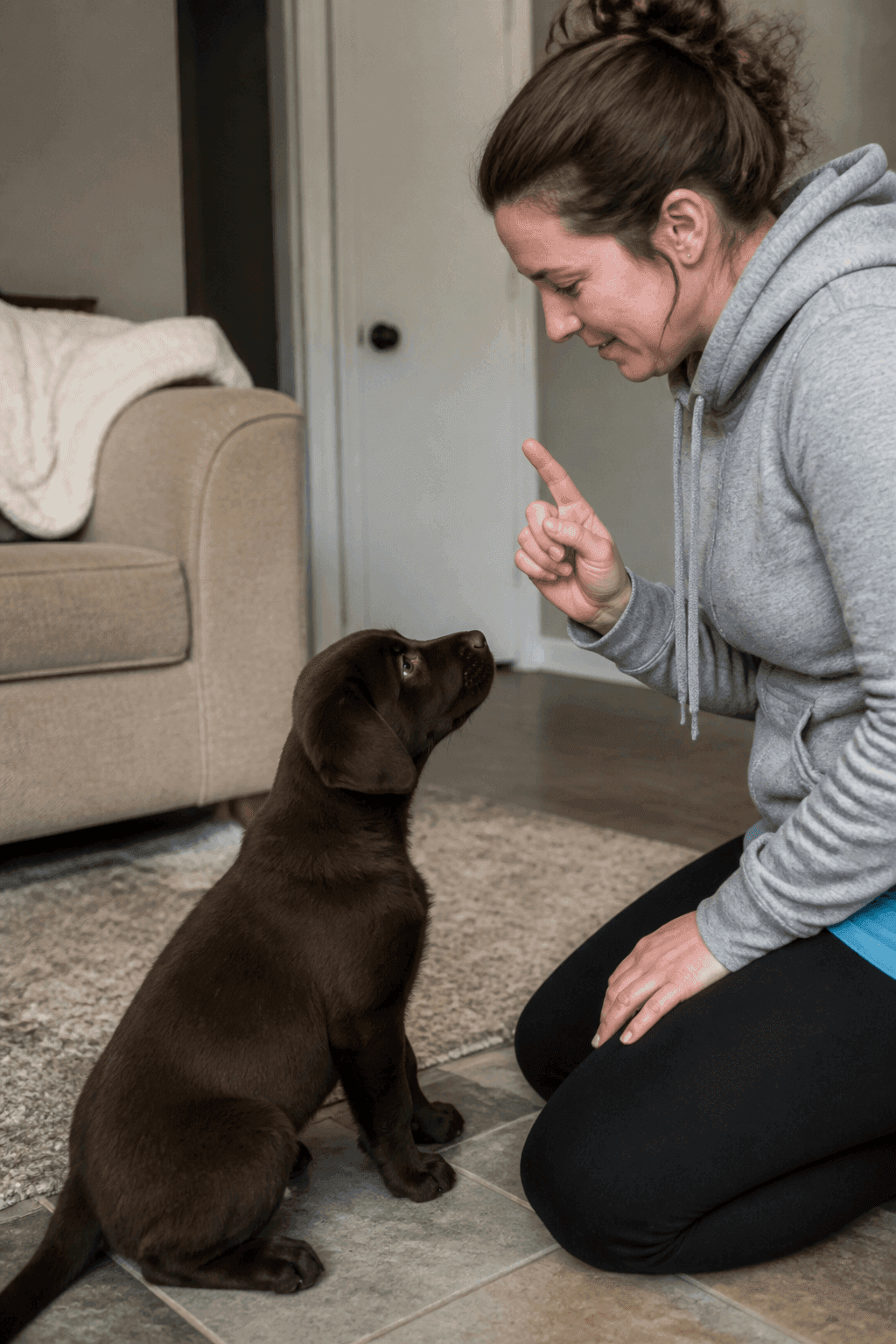
The first week is about creating a safe space. Your puppy needs to feel secure in their new home. Focus on house training, crate training, and simple routines.
Setting Up Your Home
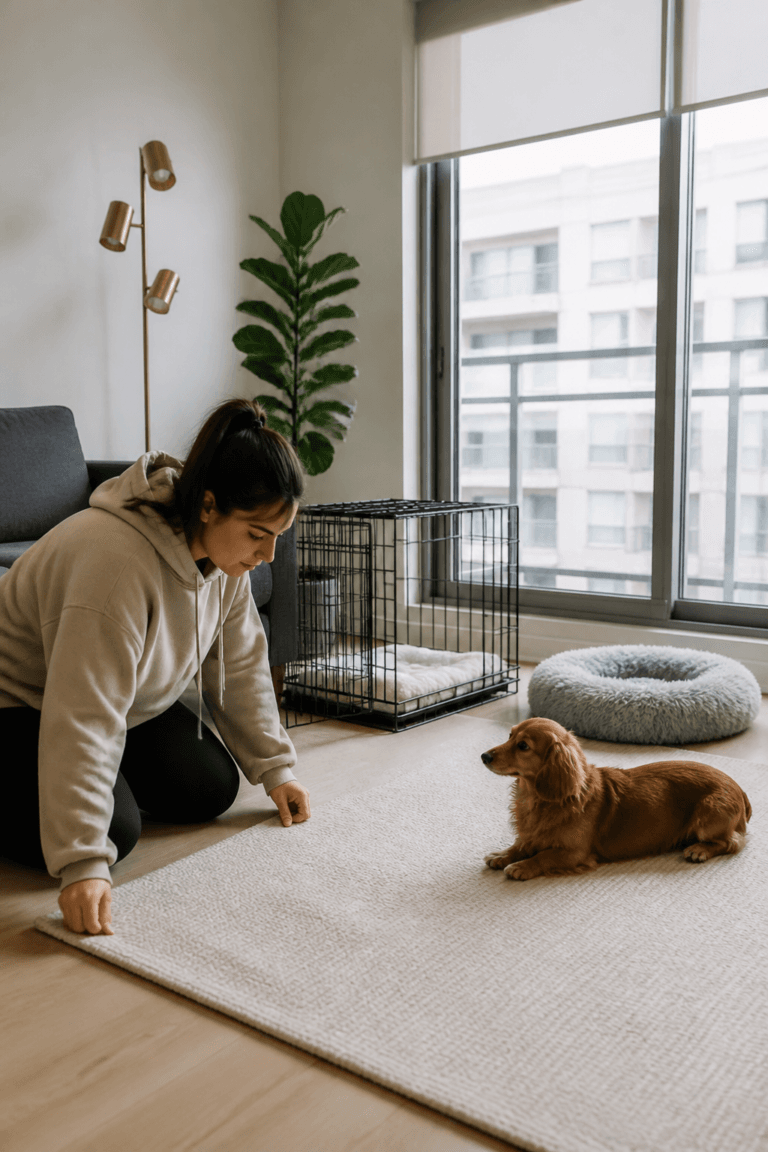
Before your puppy arrives, prepare your home. Remove hazards like loose wires and toxic plants. Set up a designated area with a crate, bed, and water bowl.
- Use baby gates to limit access to certain rooms.
- Place a puppy pad near the door for potty training.
- Keep chew toys and treats in easy reach.
Crate Training Basics
A crate becomes your puppy’s den. It helps with potty training and gives them a quiet place to rest. Introduce the crate slowly.
- Place a soft blanket inside the crate.
- Toss a treat inside and let your puppy explore.
- Close the door for short periods, starting with 5 minutes.
- Never use the crate as punishment.
First Night Home
The first night can be stressful for a new puppy. They miss their mother and littermates. Prepare for some whining.
- Keep the crate in your bedroom for comfort.
- Offer a warm water bottle wrapped in a towel.
- Take your puppy outside for a potty break before bed.
- Ignore light whining, but respond to urgent crying.
Week 2: House Training and Crate Schedule
By week two, your puppy knows their space. Now focus on a consistent potty schedule. Puppies have small bladders and need frequent breaks.
Potty Training Routine
Take your puppy outside every 2 to 3 hours. Also go out after meals, naps, and playtime. Use a specific spot in the yard.
- Choose a command like “go potty.”
- Praise and give a treat immediately after they finish.
- Clean accidents with an enzyme cleaner to remove smell.
- Never scold your puppy for accidents. It causes fear.
Crate Schedule for Daytime
Use the crate when you cannot supervise your puppy. This prevents accidents and destructive chewing. A good rule is one hour of crate time per month of age.
- Morning: 1 hour crate, then potty break.
- Midday: 2 hours crate, then playtime.
- Afternoon: 1 hour crate, then training session.
- Evening: supervised time with family.
Common Potty Training Mistakes
Many new owners make errors in house training. Avoid these pitfalls for faster results.
| Mistake | Better Approach |
|---|---|
| Punishing accidents | Clean quietly and adjust schedule |
| Free feeding | Use measured meals at set times |
| Waiting too long | Take puppy out every 2 hours |
| Using newspaper indoors | Stick to outdoor potty area |
Week 3: Basic Commands and Socialization
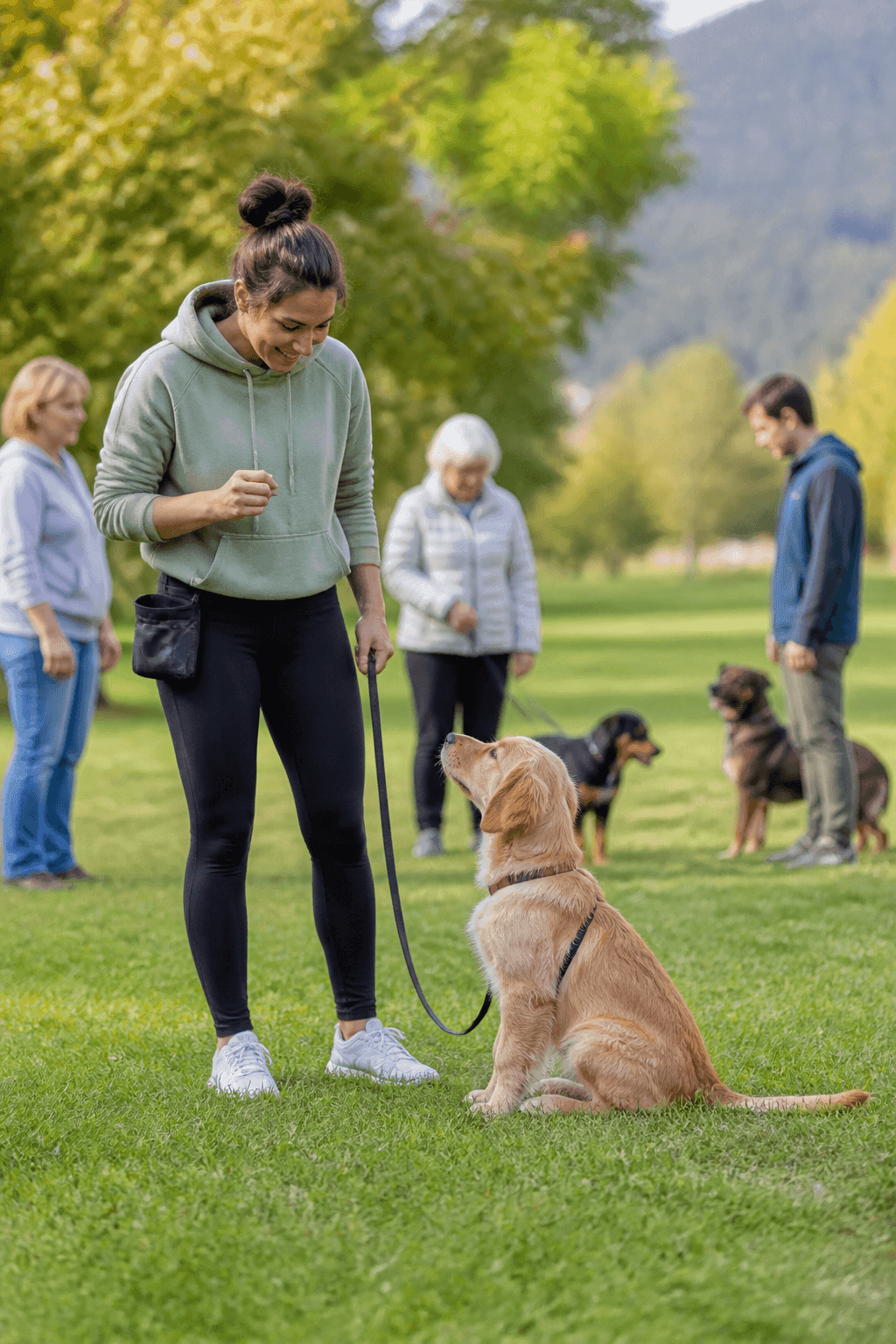
Week three introduces basic obedience commands. Start with simple cues like sit, stay, and come. Keep sessions short and fun.
Teaching “Sit”
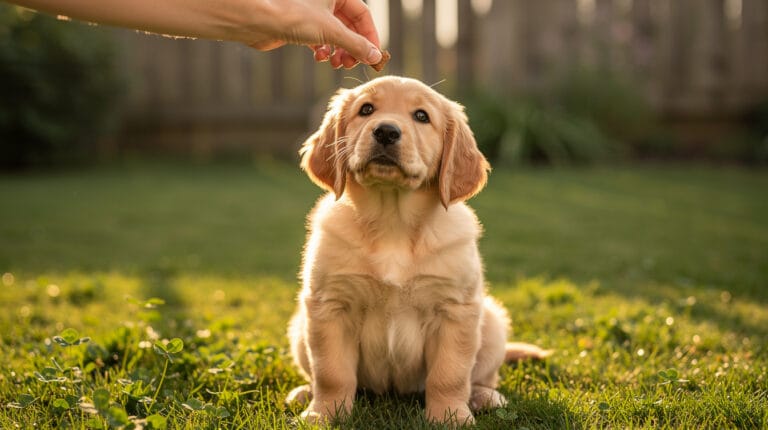
The sit command is easy and useful. It helps with impulse control. Use a treat to lure your puppy into position.
- Hold a treat above your puppy’s nose.
- Move the treat back over their head.
- As their bottom touches the floor, say “sit.”
- Give the treat and praise.
Teaching “Come”
The come command is vital for safety. Start indoors with no distractions. Use a happy tone.
- Say your puppy’s name and “come.”
- Run backward a few steps.
- When they reach you, give a high value treat.
- Practice in different rooms.
Socialization Basics
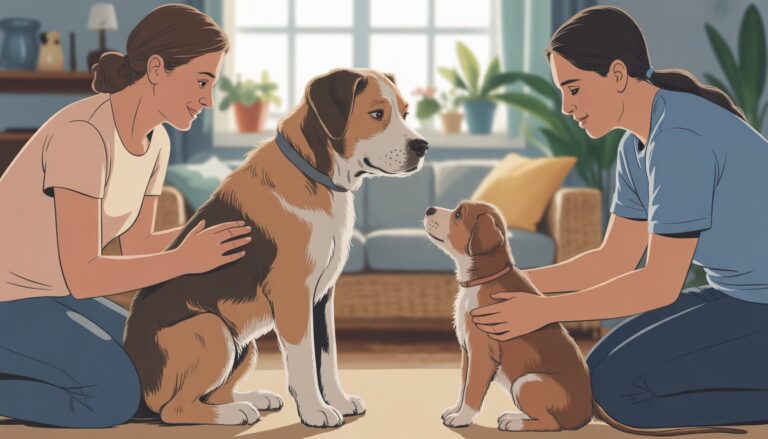
Socialization means exposing your puppy to new things. This includes people, sounds, and surfaces. Go slow and keep experiences positive.
- Invite calm friends over for short visits.
- Play sounds of traffic, vacuum, and doorbells at low volume.
- Walk on different surfaces like grass, carpet, and tile.
- Avoid crowded dog parks until fully vaccinated.
Week 4: Leash Training and Bite Inhibition
By week four, your puppy is more confident. Now work on leash training and bite inhibition. These skills prevent future behavior problems.
Leash Training Steps
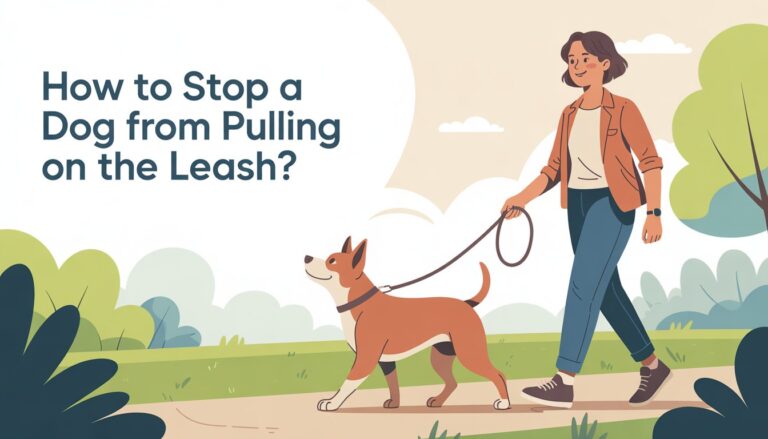
Many puppies pull on the leash at first. Use a flat collar or harness. Never use retractable leashes for training.
- Let your puppy wear the leash indoors for short periods.
- Hold the leash loosely and walk slowly.
- Stop when your puppy pulls. Wait for slack.
- Reward with a treat when they walk beside you.
Stopping Puppy Biting
Puppies explore with their mouths. Bite inhibition teaches them to use soft mouths. This is important for safety.
- When your puppy bites too hard, say “ouch” loudly.
- Stop play and turn away for 10 seconds.
- Redirect to a chew toy.
- Reward gentle mouthing.
Why Bite Inhibition Matters
Puppies need to learn control. A dog that never bites hard is safer around children and adults. This training reduces risk of injury.
- Adult dogs use bite inhibition in play.
- It prevents accidental bites during excitement.
- Consistent training builds trust.
Week 5: Building Good Habits
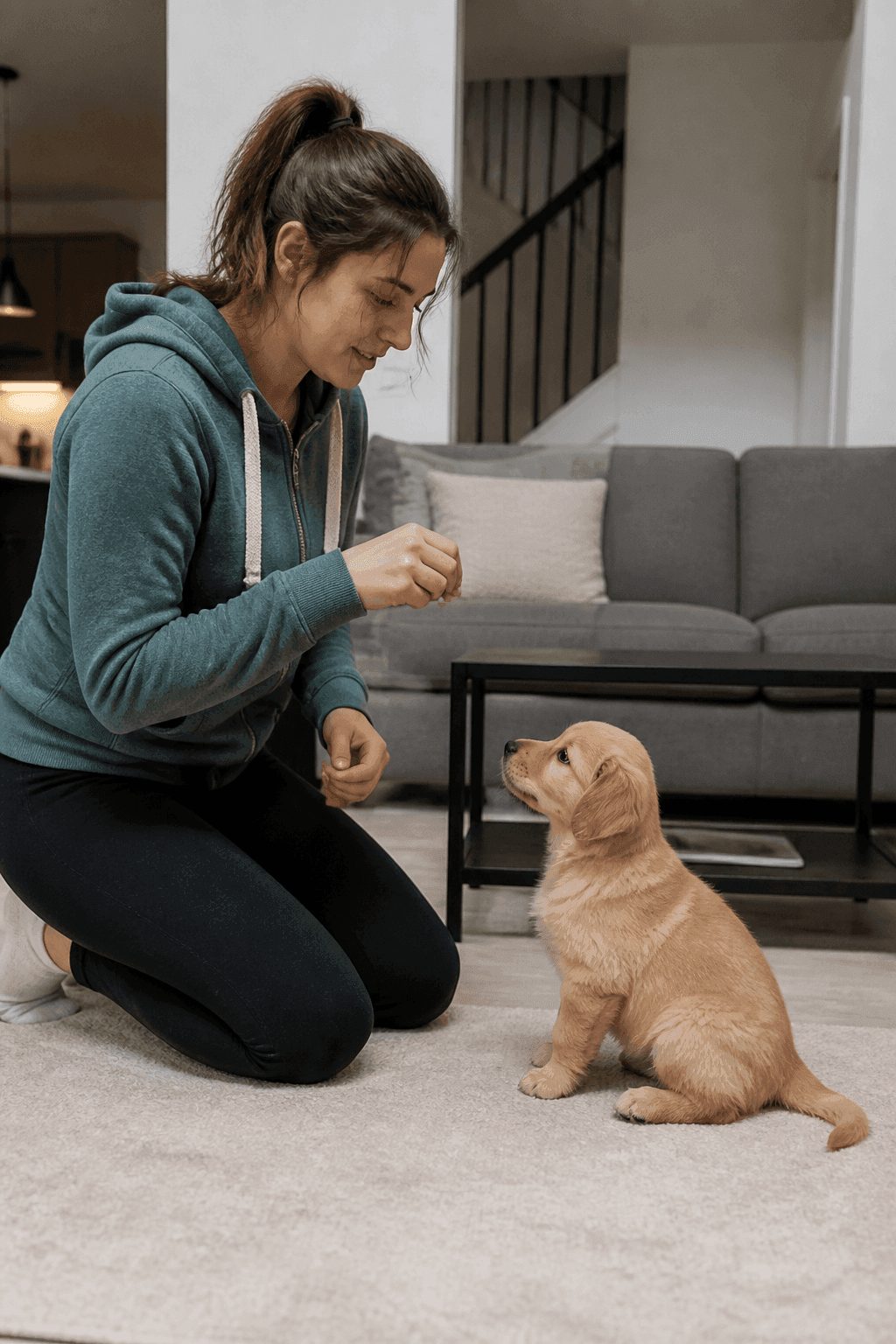
The final days of the first month focus on consistency. Your puppy now understands basic rules. Reinforce good behavior every day.
Preventing Separation Anxiety
Puppies can become anxious when left alone. Start with short departures. This builds confidence.
- Leave the room for 5 minutes, then return.
- Increase time gradually to 30 minutes.
- Give a stuffed Kong toy before you leave.
- Stay calm when you come and go.
Daily Training Schedule
A structured day helps your puppy feel safe. Include training, play, and rest. Puppies need 18 to 20 hours of sleep.
| Time | Activity |
|---|---|
| 7 AM | Potty break and breakfast |
| 8 AM | Short training session (5 minutes) |
| 9 AM | Crate time for nap |
| 12 PM | Potty break and lunch |
| 1 PM | Playtime with toys |
| 3 PM | Crate time for nap |
| 5 PM | Potty break and walk |
| 6 PM | Dinner |
| 7 PM | Calm play and bonding |
| 9 PM | Final potty break |
| 10 PM | Bedtime in crate |
Reinforcing Good Behavior
Praise your puppy often for calm behavior. Ignore jumping, barking, and whining. Use treats and petting as rewards.
- Reward sitting before meals.
- Reward quiet behavior in the crate.
- Reward walking nicely on leash.
- Reward coming when called.
Key Takeaways for the First 30 Days
Your first month with a puppy sets the tone for years to come. Follow this puppy training plan to build a strong bond. Be patient and consistent every day.
- Start house training on day one.
- Use a crate for safety and potty training.
- Teach basic commands like sit and come.
- Socialize your puppy to new experiences.
- Work on leash training and bite inhibition.
- Keep sessions short, 5 to 10 minutes each.
- Reward good behavior with treats and praise.
A well trained puppy becomes a happy adult dog. Stick to this plan and adjust based on your puppy’s personality. Every dog learns at their own pace. Stay positive and enjoy the journey together.