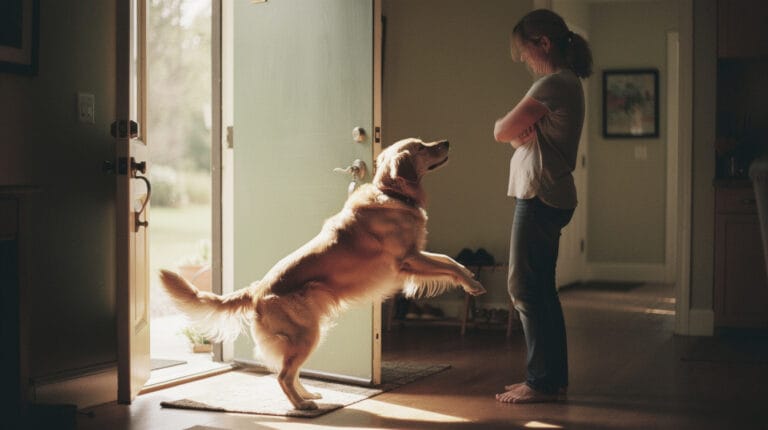
Living in an apartment with a dog can be a rewarding experience. However, training a dog in a small space comes with unique challenges. You need to manage noise, potty breaks, and exercise in a limited area.
In this guide, we will walk you through the best methods to train your dog in an apartment.
You will learn how to handle barking, crate training, potty training, and exercise. We will use positive reinforcement and consistent routines to get the best results.
Setting Up Your Apartment for Dog Training
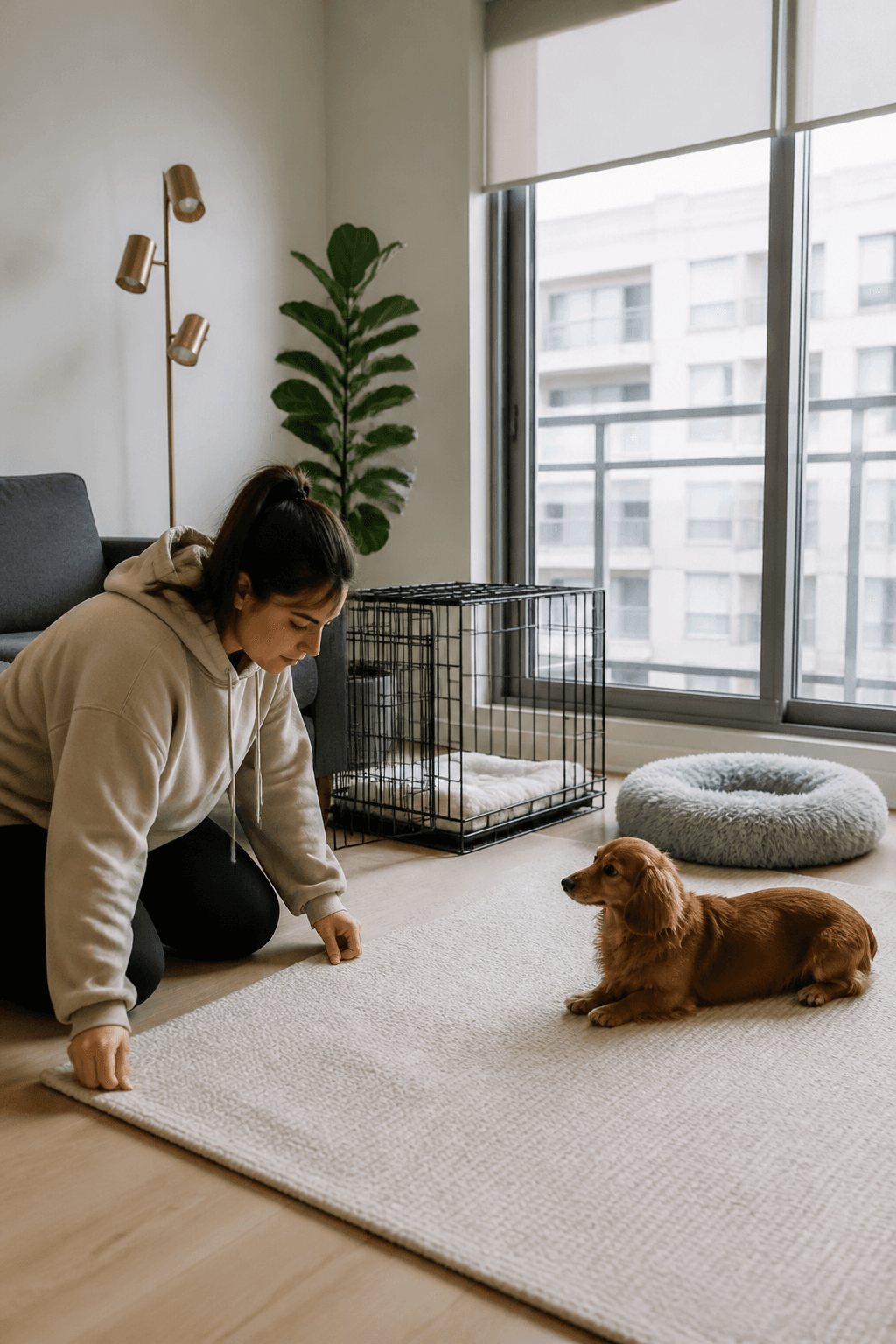
Training a dog in an apartment starts with creating the right environment. A well organized home makes learning easier, reduces stress, and helps your dog build good habits faster.
Create a Designated Dog Zone
Set up a small, quiet space in your living room or bedroom for your dog’s crate and bed.
Tips for a good dog zone:
- Choose an area away from heavy foot traffic
- Use a crate or dog bed with a soft mat
- Keep the area clean and clutter free
- Make it feel safe and calm
This space becomes your dog’s secure retreat, which can support crate training and reduce anxiety.
Remove Hazards and Temptations
Dogs often chew or explore unsafe items, especially in smaller spaces.
Dog proof your apartment by:
- Hiding electrical cords
- Putting away shoes
- Removing small chewable objects
- Using baby gates for restricted rooms
- Securing food and trash
A safer environment helps prevent accidents and supports better behavior.
Essential Training Commands for Apartment Dogs
Teaching basic commands is the foundation of good behavior. These commands help you control your dog in tight spaces.
Sit and Stay
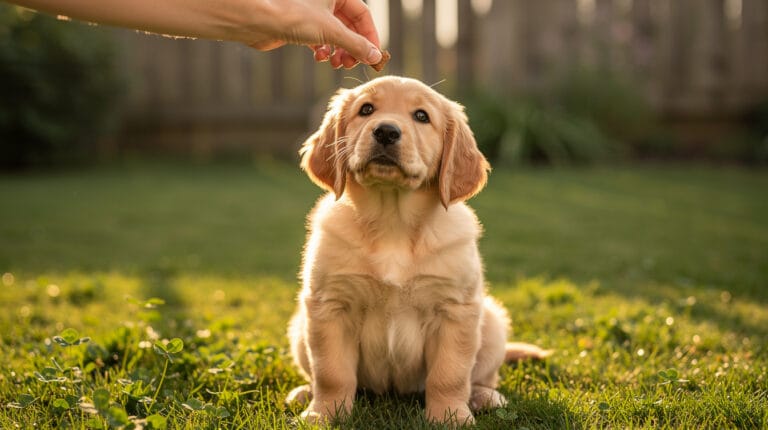
Start with the sit command. Hold a treat above your dog’s nose. Move the treat back over their head. When they sit, say “sit” and give the treat.
Practice stay after your dog knows sit. Ask your dog to sit. Open your palm and say “stay.” Take one step back. Return and reward them. Gradually increase the distance.
Quiet Command
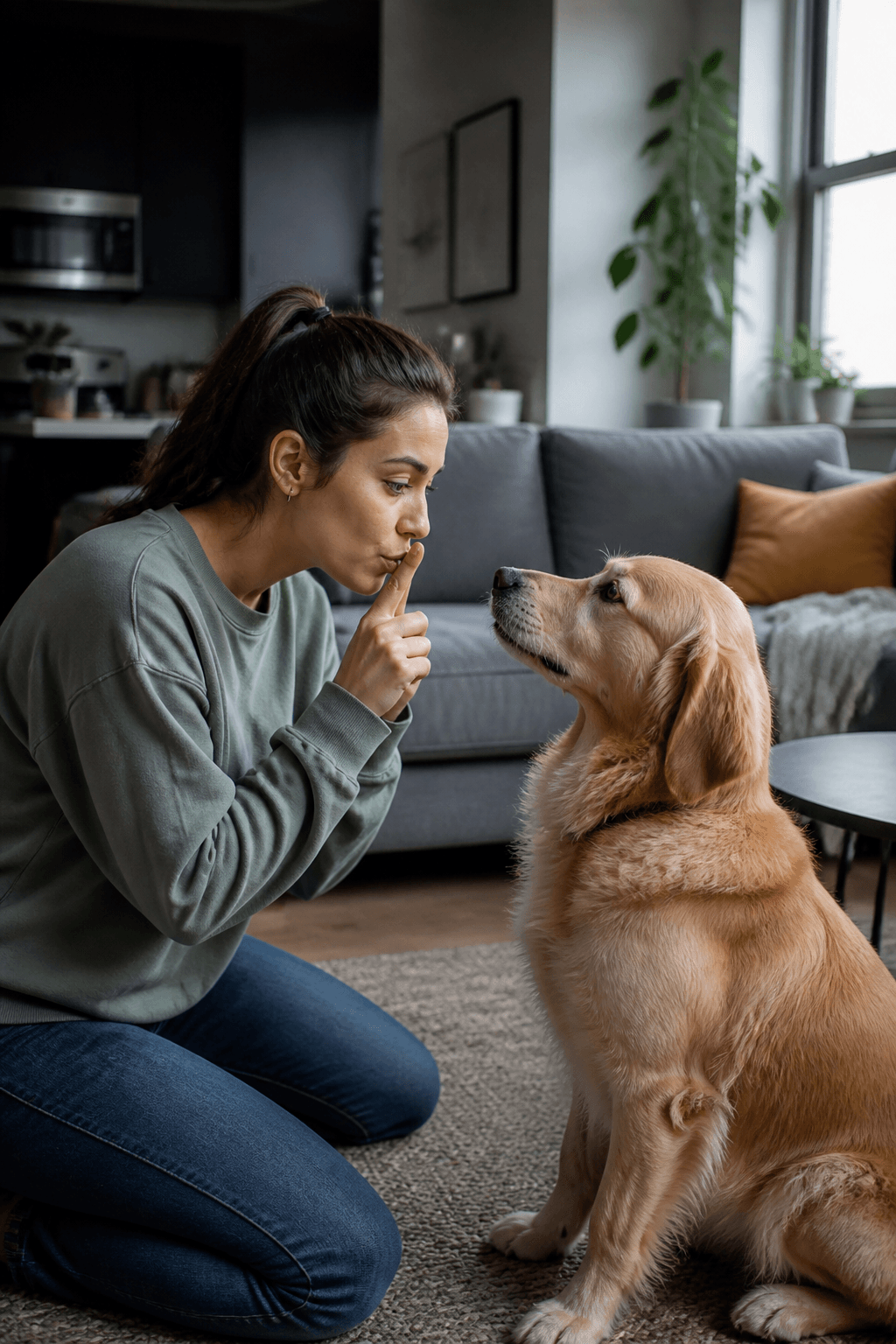
Barking in an apartment can disturb neighbors. Teach the quiet command to stop excessive barking. When your dog barks, say “quiet” in a calm voice.
Wait for a moment of silence. Immediately give a treat and praise. Repeat this process daily. This is one of the most important apartment dog training tips.
Leave It
The leave it command prevents your dog from picking up dangerous items. Hold a treat in your closed fist. Let your dog sniff it. Say “leave it” and wait.
When your dog pulls away, reward them with a different treat from your other hand. Practice with items on the floor. This command is essential for safety in small spaces.
Potty Training in an Apartment
Apartment potty training requires planning and consistency.
Use a Consistent Schedule
Take your dog out:
- First thing in the morning
- After meals
- Before bedtime
- Every 2 to 3 hours for puppies
Consistency helps your dog learn faster.
Choose a Potty Spot
Always use the same outdoor potty area. Familiar smells help reinforce the habit.
If outdoor access is delayed:
- Use potty pads temporarily
- Place them on a balcony or designated indoor area
- Gradually move pads closer to the door
Reward Immediately
When your dog goes outside:
- Give praise right away
- Offer a treat
- Use a happy tone
Avoid punishment for accidents.
Instead, clean messes with enzyme cleaners to remove odor completely.
Managing Barking and Noise
Thin apartment walls make barking control a top priority.
Identify Barking Triggers
Common triggers include:
- Doorbells
- Hallway sounds
- Other dogs
- Loud outside noises
Once identified, use desensitization by exposing your dog to low levels of the trigger while rewarding calmness.
Provide Mental Stimulation
A bored dog often becomes noisy.
Helpful options:
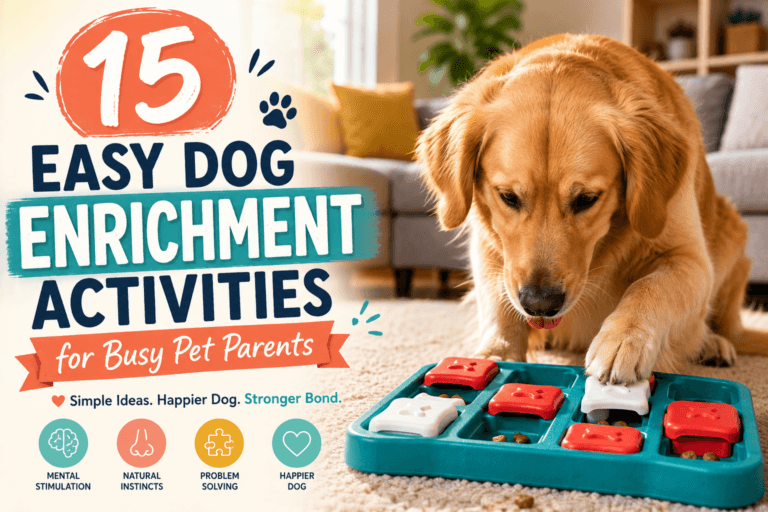
- Puzzle toys
- Snuffle mats
- Frozen Kongs
- Short 5 to 10 minute training sessions
Use White Noise
Background sounds can reduce reactivity.
Try:
- White noise machines
- Fans
- Calming dog music
Exercise and Play in a Small Space
Dogs need exercise even in an apartment. Lack of exercise leads to destructive behavior. You can provide apartment dog exercise indoors and outdoors.
Indoor Exercise Ideas
Play fetch in a hallway using a soft toy. Use a flirt pole for tugging games. Teach your dog to weave through your legs for mental and physical work.
Set up an obstacle course with pillows and chairs. Guide your dog through it. This uses up energy without needing a yard.
Take Frequent Walks
Walk your dog at least twice a day. Walks provide exercise and mental stimulation. Let your dog sniff and explore.
Use a harness for better control in crowded areas. Keep walks on a schedule. This routine is vital for apartment dog behavior.
Use Dog Parks and Playdates
Visit a dog park when you have time. Let your dog run off leash in a safe area. This provides socialization and heavy exercise.
Arrange playdates with other calm dogs. Supervised play helps your dog burn extra energy. This is good for apartment dog socialization.
Crate Training in an Apartment
Crates are useful for:
- Potty training
- Preventing destructive behavior
- Providing a safe space
Choose the Right Crate
Your dog should be able to:
- Stand
- Turn around
- Lie down comfortably
Avoid oversized crates for housebreaking.
Introduce the Crate Slowly
- Keep the door open initially
- Toss treats inside
- Feed meals in the crate
- Gradually increase crate time
Important Rule
Never use the crate as punishment.
Socialization in Close Quarters
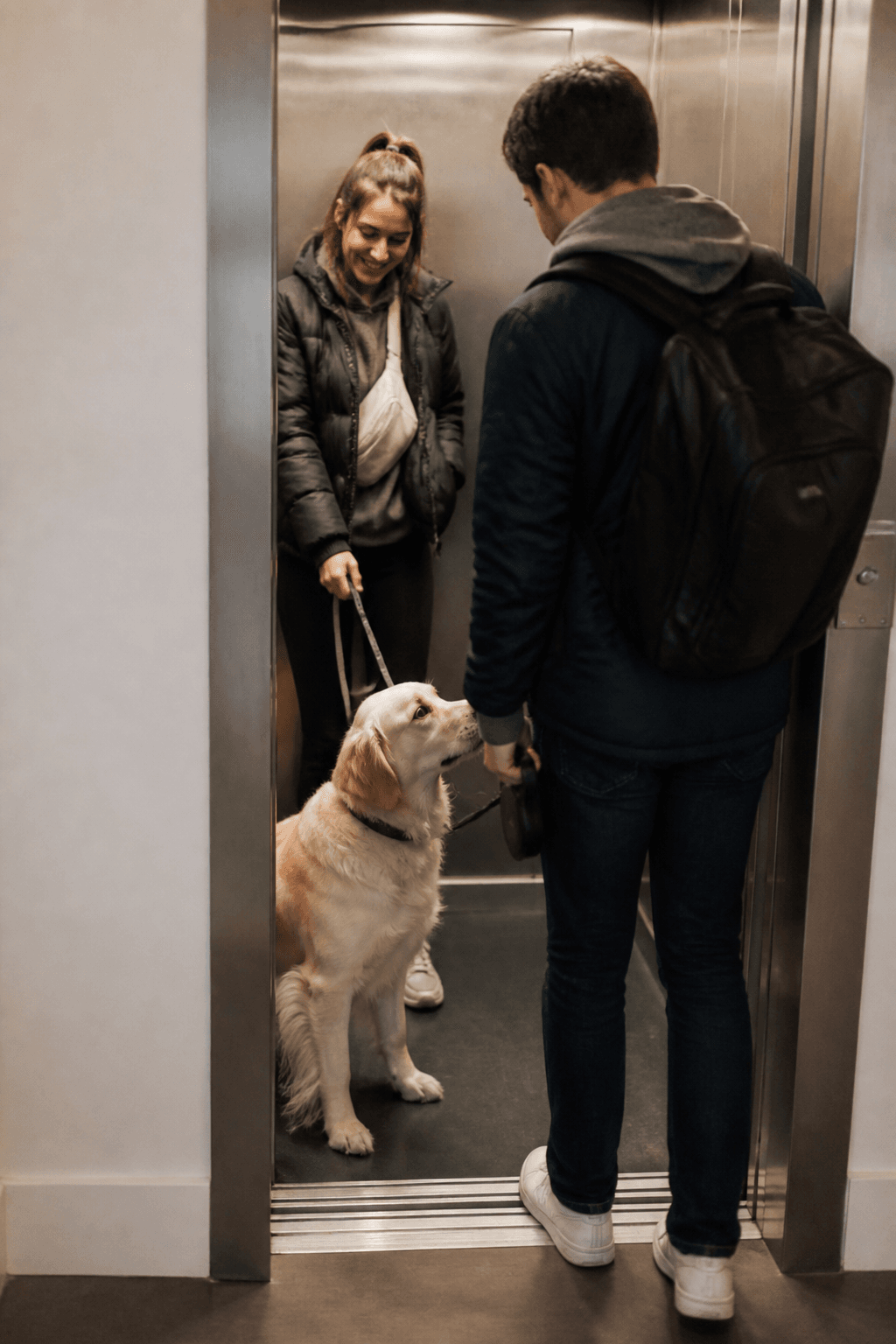
Dogs in apartments meet many people and other dogs. Proper socialization prevents fear and aggression.
Start Early
Socialize your puppy as soon as they have their shots. Introduce them to different people, sounds, and surfaces. Keep experiences positive.
For adult dogs, go slow. Let them observe from a distance. Reward calm behavior. This builds confidence in urban settings.
Practice Neutrality
Teach your dog to ignore other dogs and people when on a leash. Use the look at me command. When your dog looks at you, give a treat.
This prevents lunging and barking. It makes walks in the hallway and elevator much easier. This is a key apartment dog skill.
Common Apartment Training Challenges and Solutions
Even with good training, problems can arise. Here are common issues and how to fix them.
| Challenge | Solution |
|---|---|
| Barking at neighbors | Use the quiet command and provide mental stimulation |
| Accidents inside | Stick to a potty schedule and clean with enzyme cleaner |
| Destructive chewing | Provide safe chew toys and exercise your dog more |
| Pulling on leash | Use a front clip harness and practice loose leash walking |
| Separation anxiety | Practice short departures and use calming aids |
Separation Anxiety
Dogs in apartments may get anxious when left alone. Start by leaving for 5 minutes. Gradually increase the time.
Leave a Kong filled with treats or a puzzle toy. This distracts your dog. Do not make a big deal when you leave or return. This helps with apartment dog separation anxiety.
Leash Reactivity
If your dog barks at other dogs on walks, keep distance. Use high value treats to redirect their focus. Practice in quiet areas first.
Work with a trainer if the problem persists. Positive reinforcement training is the best approach for leash reactivity.
Final Tips for Apartment Dog Training
Training a dog in an apartment takes patience. Here are key takeaways to remember.
- Be consistent with your schedule and commands.
- Use positive reinforcement like treats and praise.
- Provide daily exercise both indoors and outdoors.
- Manage noise with white noise and training.
- Socialize your dog slowly and positively.
- Use a crate for safety and potty training.
- Clean accidents with enzyme cleaners to remove odors.
With time and effort, your dog will learn to be a calm, well behaved apartment companion. Stick to the routine and celebrate small wins. Your neighbors and your dog will thank you.