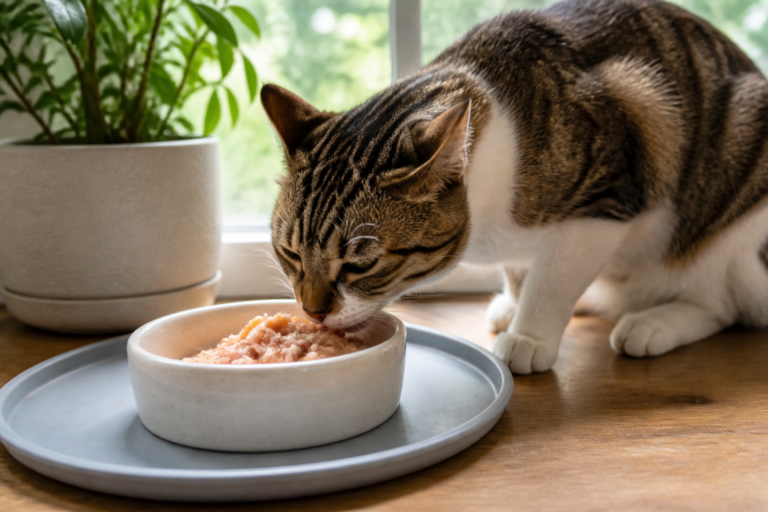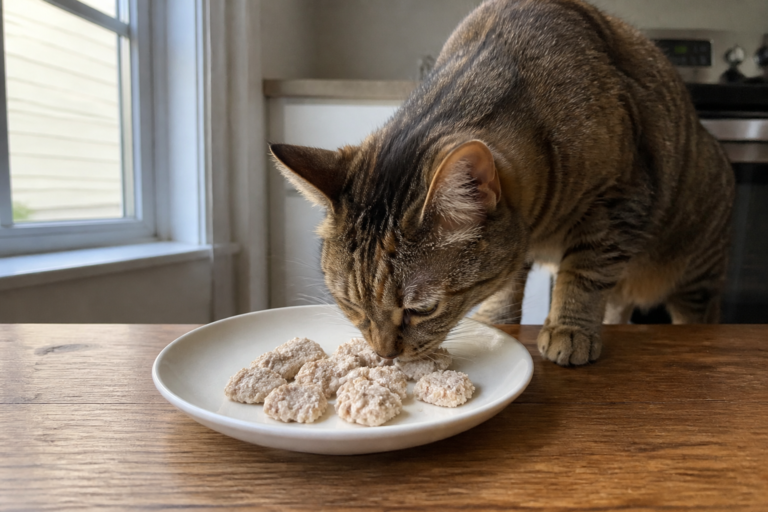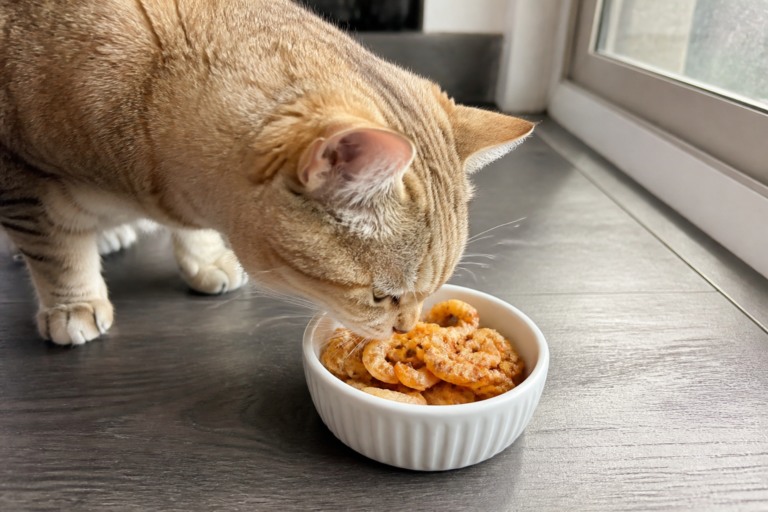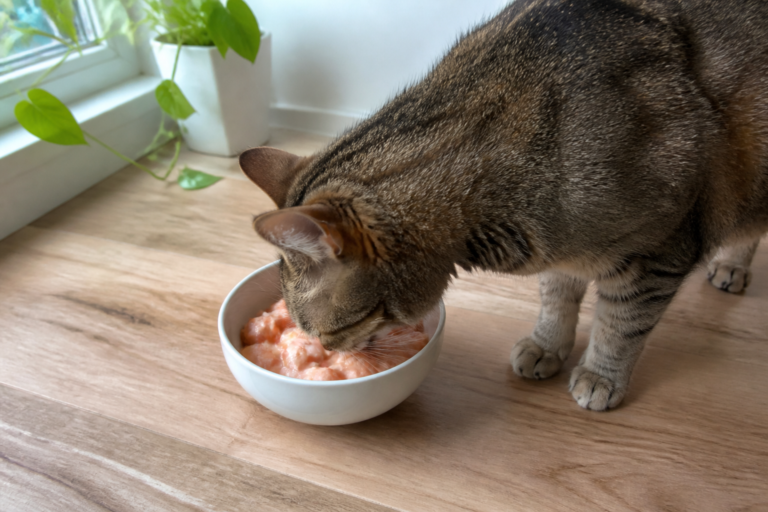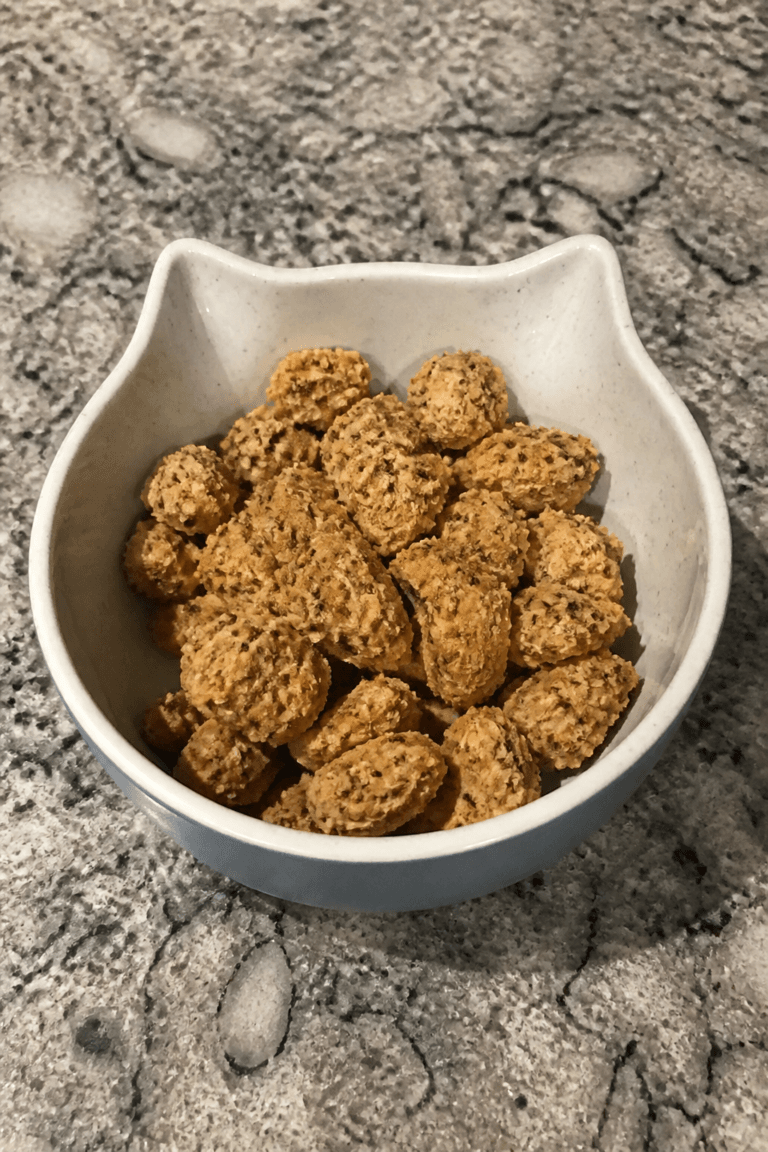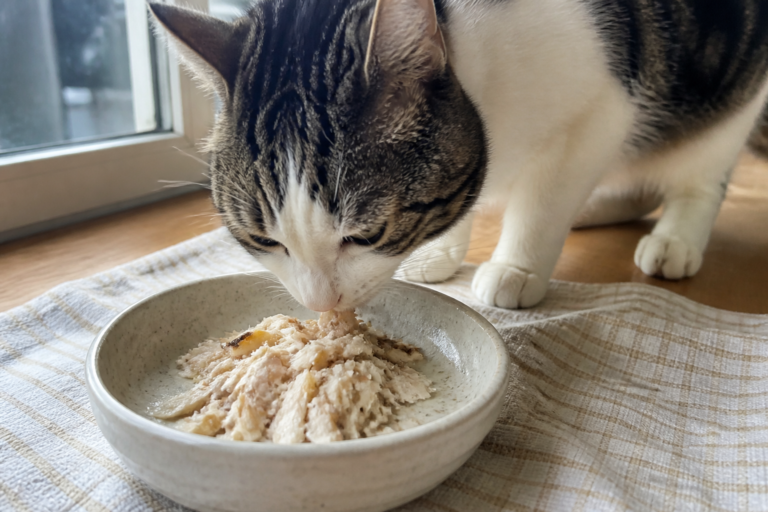
If you like making special treats for your cat at home, these Duck and Pumpkin Cat Cookies are a simple place to start. They use cat-friendly ingredients and keep the flavor focused on what cats usually love: meat, a little pumpkin, and a soft, easy-to-chew texture.
These cookies are meant as a treat, not a full meal. They work well for cats who enjoy a small homemade snack, and they are easy to portion so you can keep things sensible and safe.
What You’ll Need
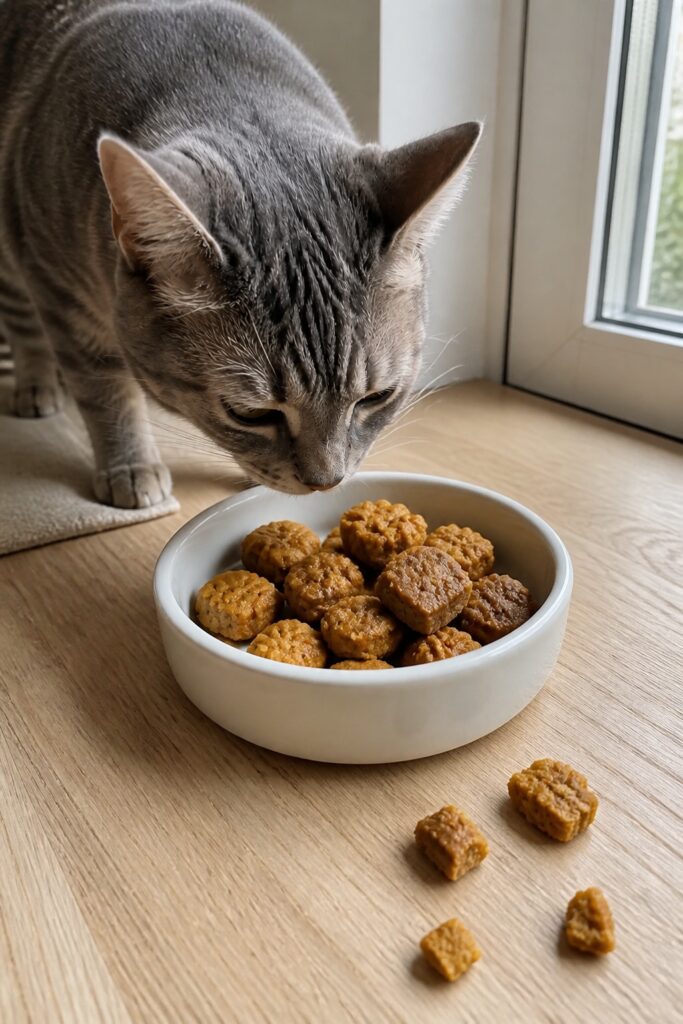
- 1 cup cooked duck, finely shredded or minced
- 1/2 cup plain pumpkin puree, unsweetened
- 1 egg
- 1 to 1 1/4 cups oat flour
- 2 tablespoons water, plus more if needed
- 1 teaspoon olive oil, optional for smoother mixing
Helpful note: Use plain pumpkin puree, not pumpkin pie filling.
Pie filling often has spices and added sugar that do not belong in cat food.
Step-by-Step Instructions
- Preheat the oven.
Set your oven to 325°F and line a baking sheet with parchment paper. This gives the cookies a gentle bake and makes cleanup easier.
- Prepare the duck.
Make sure the duck is fully cooked, plain, and free from skin, bones, seasoning, and sauces. Shred or mince it very finely so it blends into the dough easily.
- Mix the wet ingredients.
In a medium bowl, stir together the duck, pumpkin puree, egg, water, and olive oil if you are using it.
Mix until the texture looks even and smooth.
- Add the flour slowly.
Stir in the oat flour a little at a time. You want a dough that holds together without feeling dry or crumbly.
- Adjust the texture.
If the dough feels too sticky, add a little more oat flour. If it feels too dry, add a small splash of water.
- Shape the cookies.
Scoop small amounts of dough and roll them into tiny balls or flatten them into little cookie shapes.
Keep them small, since cat treats should be bite-sized.
- Bake until set.
Place the cookies on the baking sheet and bake for 18 to 22 minutes. They should look firm and lightly dry on the outside.
- Cool completely.
Let the cookies cool all the way before giving one to your cat. Cooling helps them finish setting and makes them safer to handle and serve.
Serving tip: Offer one small cookie at a time.
Treats should stay small so they fit into your cat’s normal daily food plan.
Storage Instructions
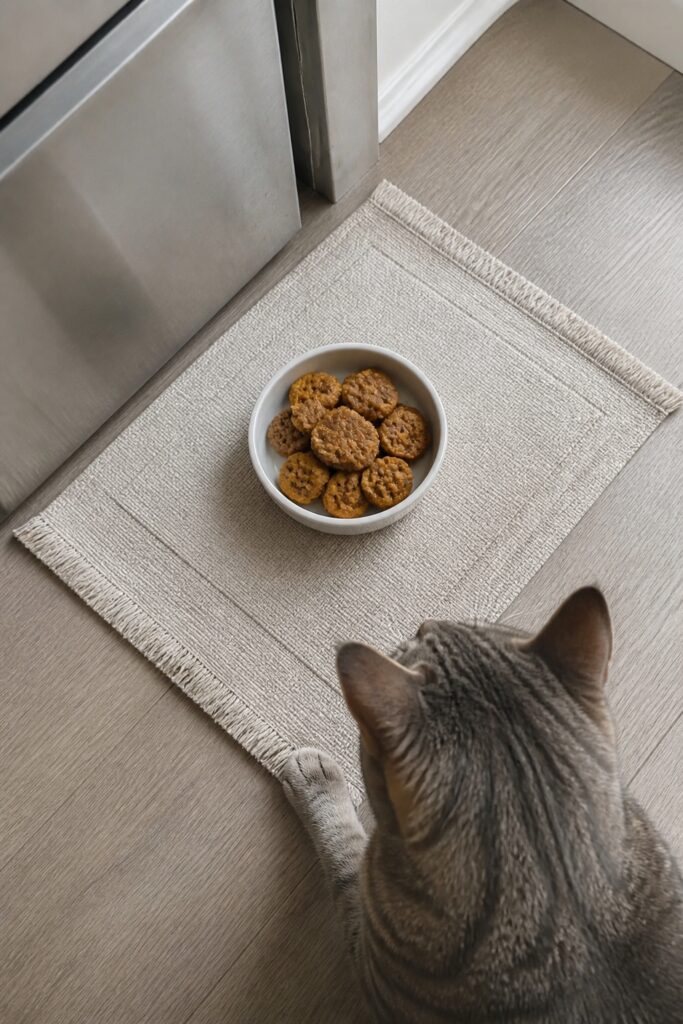
Store these cookies in an airtight container in the fridge for up to 4 days. Because they contain cooked duck and egg, refrigeration matters and keeps the treats fresher.
For longer storage, freeze them in a sealed bag or container for up to 2 months. You can freeze them in small portions so you only thaw what you need.
Portioning tip: Keep the cookies small from the start.
If your cat is tiny, older, or just gets treats occasionally, break the cookies into smaller pieces before serving.
Why This is Good for You
Homemade cat treats let you choose simple ingredients and skip a lot of extras that do not help your cat. Duck gives the recipe a strong protein base, which fits a cat’s meat-focused diet better than many store-bought snack foods.
Pumpkin adds a soft texture and makes the dough easier to work with. It also helps the cookies hold together without needing lots of filler ingredients.
Practical benefit: These cookies can fit into a balanced treat plan because you control the size, the ingredients, and how often your cat gets them.
They are also easy to digest for many cats when you keep the recipe simple.
That said, every cat is different, so treat recipes should always stay small and occasional.
What Not To Do
- Do not use seasoned duck. Salt, pepper, onion, garlic, and packaged seasonings do not belong in cat treats.
- Do not use pumpkin pie filling. It often contains sugar and spices that are not cat-friendly.
- Do not add milk, cream, or cheese in large amounts. Many cats do not handle dairy well.
- Do not make the cookies too big. Large treats can lead to overfeeding and are harder for some cats to chew.
- Do not skip cooling time. Warm cookies can crumble more easily and may be uncomfortable to eat.
- Do not treat them like a full meal. These are snack items, not a complete and balanced cat diet.
- Do not leave them out all day. Because they contain meat and egg, they should not sit at room temperature for long periods.
Simple rule: If an ingredient would make a human dish taste stronger, saltier, or sweeter, it usually does not belong in a cat recipe.
Alternatives
If you want to change the recipe a little, there are a few safe ways to do it without losing the cat-friendly focus.
- Protein swap: Use cooked turkey or chicken instead of duck if that is what you have on hand.
- Texture change: Blend the duck very finely for a smoother cookie, or leave it a little chunky for a more meaty bite.
- Flour swap: Use rice flour instead of oat flour if your cat does better with a different simple binder.
- Moisture boost: Add a teaspoon or two of plain water or unsalted broth made only from cat-safe ingredients.
- Mini training bites: Shape the dough into very tiny pieces and bake them a little longer for a firmer treat.
If your cat is picky, start with the smallest batch possible. That way you can see whether the texture and flavor are a good match before making more.
FAQ
How many Duck And Pumpkin Cat Cookies can I give my cat?
Start with one small cookie and see how your cat handles it. For most cats, treats should stay limited and should not take up a big part of the day’s food.
Can I store these at room temperature?
No, not for long.
Since this recipe uses cooked duck and egg, it is best to keep the cookies in the fridge or freezer instead of leaving them out on the counter.
Can I use canned duck for this recipe?
Only if it is plain and has no onion, garlic, heavy salt, sauces, or spices. Plain cooked duck is the safest option because you know exactly what is in it.
Is pumpkin safe for cats?
Plain pumpkin puree is commonly used in small amounts in homemade cat treats. It should stay unseasoned and simple, with no sugar or spice blends mixed in.
Can I make these cookies softer?
Yes.
Bake them for a shorter time so they stay a little softer in the center. Just make sure they are still fully set and cooled before serving.
How do I thaw frozen cookies?
Move a few cookies from the freezer to the fridge and let them thaw slowly. You can also let them sit briefly at room temperature, but do not leave them out too long.
Can kittens eat these?
Only tiny amounts, and only if the ingredients already fit into the kitten’s normal food plan.
Keep portions very small and simple, since kittens need specially balanced food for growth.
Duck and Pumpkin Cat Cookies are a nice homemade treat when you want something simple, cat-friendly, and easy to portion. Keep the recipe plain, serve it in small amounts, and it can be a fun little bonus for your cat’s routine.