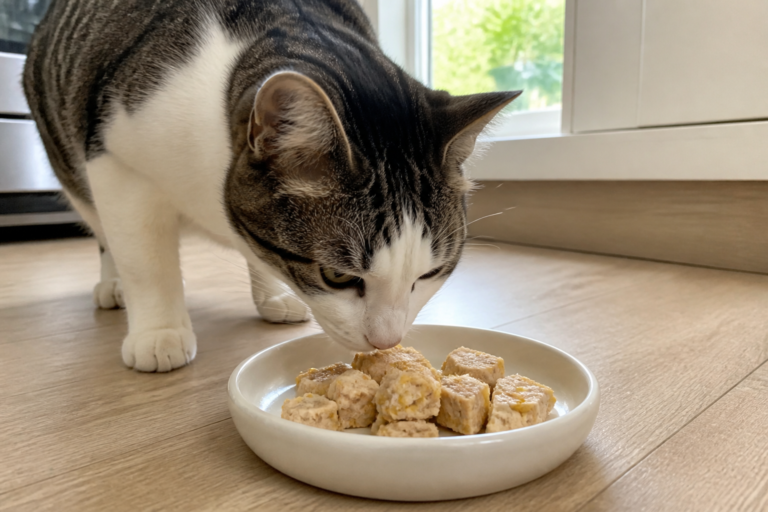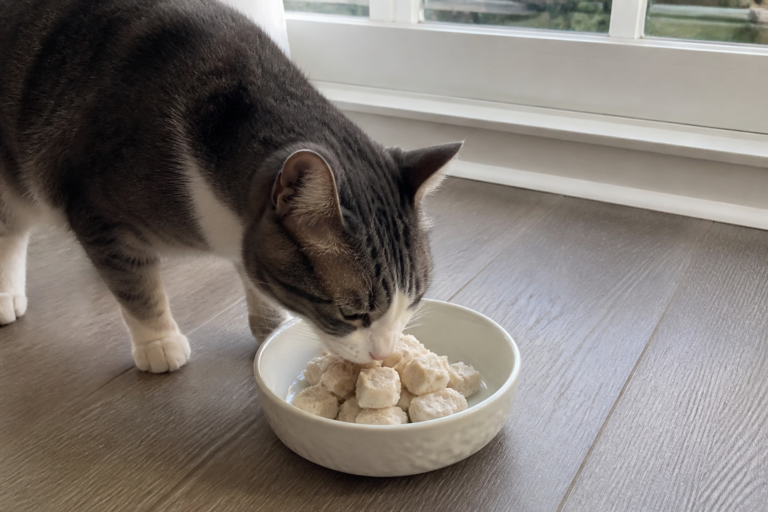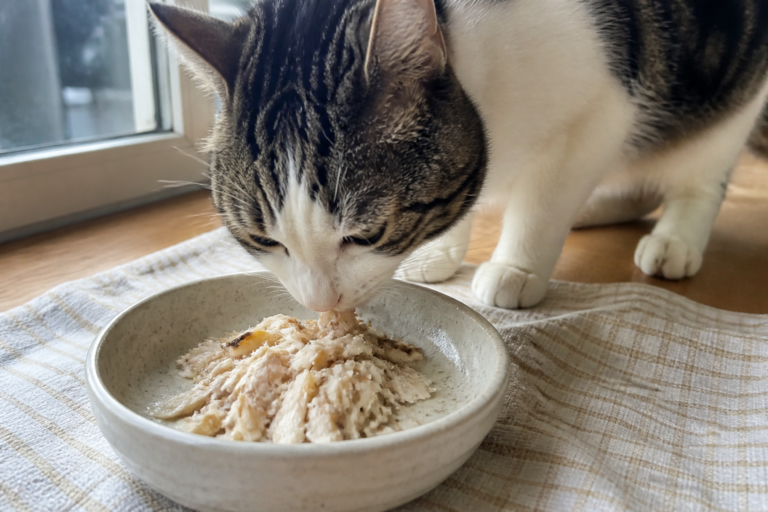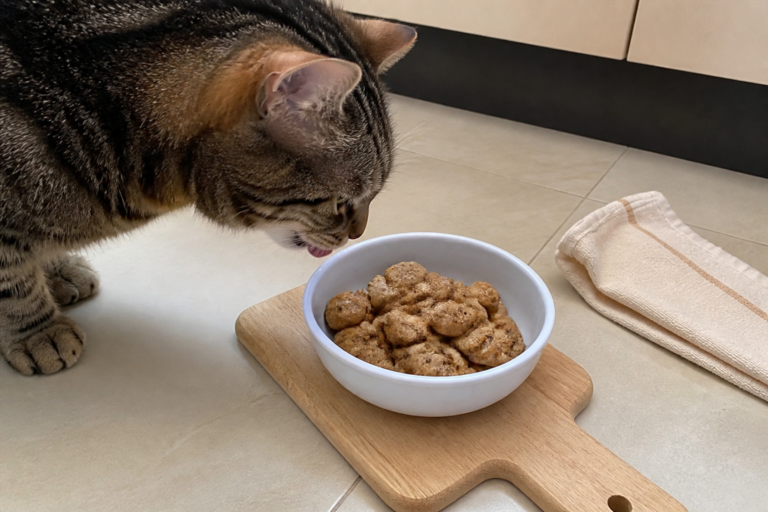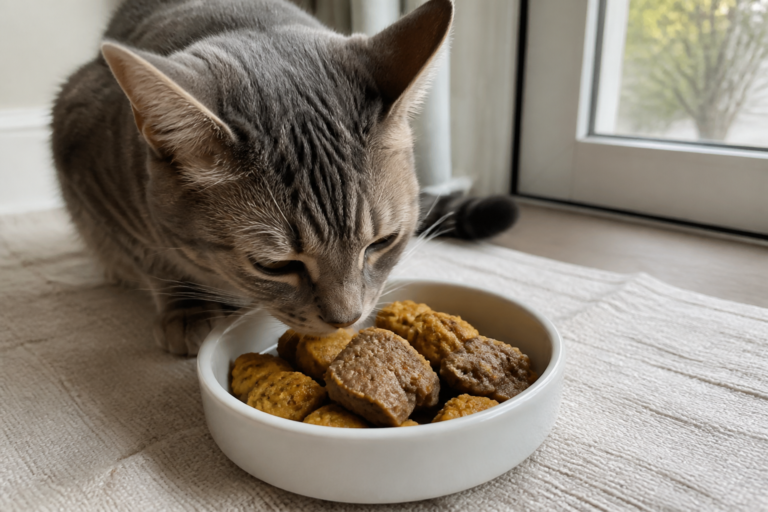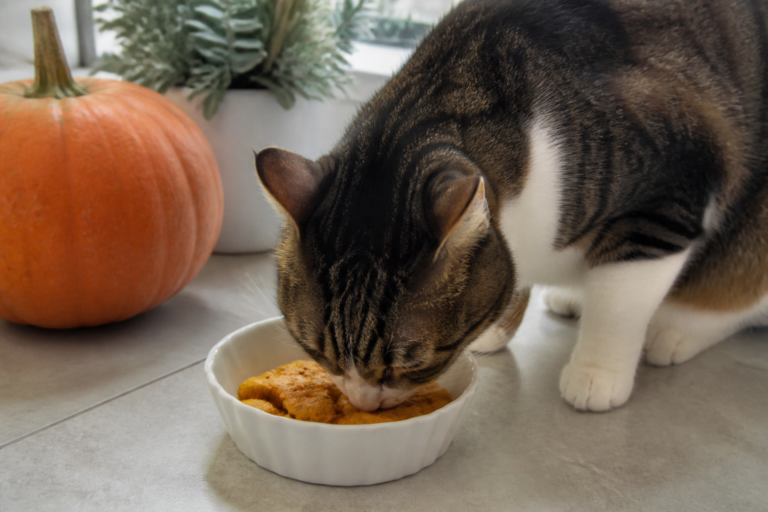
If you want to make a homemade cat treat that feels special, these Chicken Liver Cat Cookies are a great place to start. They are made for cats, not people, and they use simple ingredients that many cat owners already keep on hand. Chicken liver gives these little cookies a strong, meaty flavor that cats usually love.
The texture is soft enough for most cats to chew, and you can make them smaller or firmer depending on your cat’s needs.
This recipe works well as an occasional treat or a topper for your cat’s regular food. It is not meant to replace a complete cat diet, but it can be a fun way to add variety. Keep the portions small and simple, and always serve them plain.
Cats do best with recipes that stay close to their natural food preferences.
Ingredients
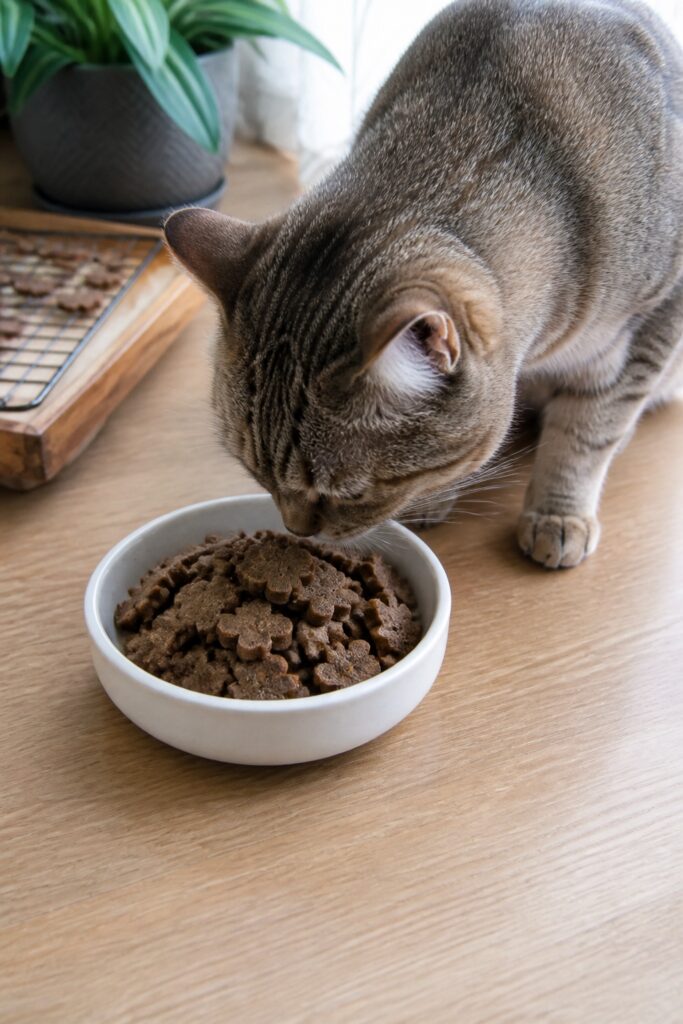
- 1 cup chicken liver, cooked and cooled
- 1/2 cup cooked chicken breast, plain and shredded
- 1/2 cup oat flour
- 1 egg
- 1 to 2 tablespoons water, as needed
- 1 tablespoon plain pumpkin puree, unsweetened
These ingredients stay cat-friendly and simple. The recipe avoids seasonings, salt, onion, garlic, and other ingredients that do not belong in cat food.
How to Make It
- Prep the liver and chicken. Cook the chicken liver and chicken breast plain, with no seasoning. Let both cool fully before you start.
- Preheat your oven. Set it to 325°F so the cookies bake slowly and evenly.
- Blend the wet ingredients. In a bowl or food processor, mash or blend the chicken liver, chicken breast, egg, and pumpkin puree until the mixture looks smooth.
- Add the flour. Stir in the oat flour.
If the dough feels too dry, add water one teaspoon at a time until it holds together.
- Shape the cookies. Scoop out small amounts and roll them into tiny balls or flatten them into mini cookies. Keep them small for cat-sized portions.
- Bake. Place the cookies on a lined baking sheet and bake for 18 to 22 minutes, or until they feel set and lightly firm.
- Cool completely. Let the cookies cool on a rack before serving or storing. This helps them firm up more.
- Serve a small amount. Offer one cookie first, especially if your cat has never had liver treats before.
If you want a softer treat, pull them from the oven a little earlier.
If you want a drier cookie for storage, bake them a few minutes longer.
Storage Instructions
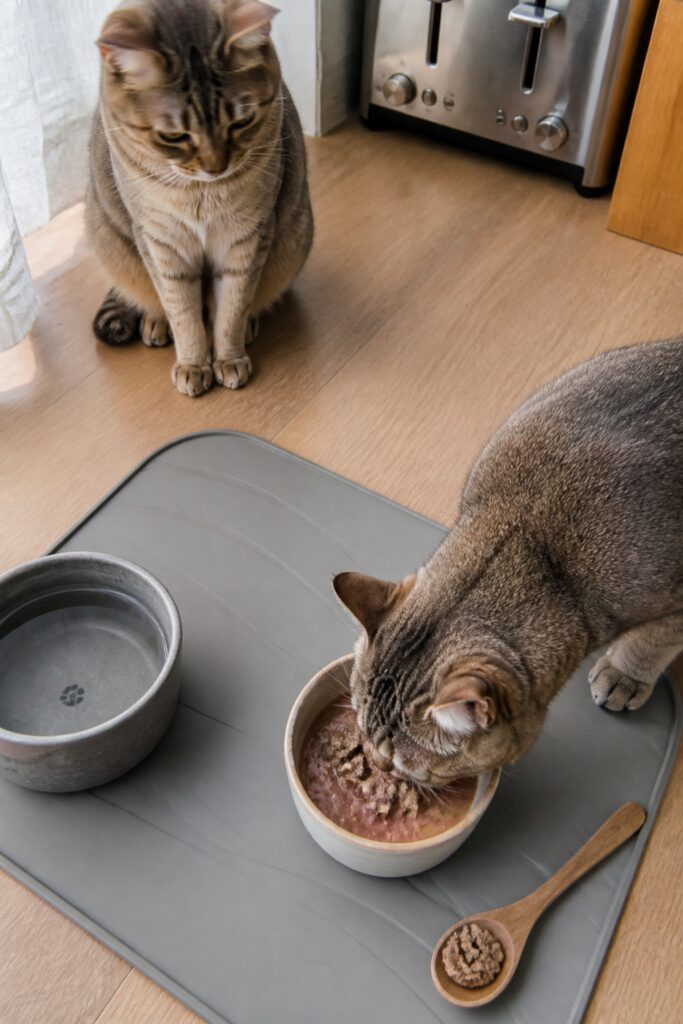
Refrigerator: Store the cookies in an airtight container for up to 4 days. Because they contain cooked meat and egg, they need to stay cold.
Freezer: For longer storage, freeze the cookies for up to 2 months. Freeze them in a single layer first, then move them to a sealed freezer bag or container.
Portioning: Keep the cookies very small so you can offer them as treats, not meals.
For most cats, 1 small cookie at a time is plenty, depending on your cat’s size, diet, and daily calorie needs.
If you thaw frozen cookies, let them defrost in the fridge rather than on the counter. Toss any leftover cookie that sits out too long.
Health Benefits
Chicken liver and chicken breast give this recipe a strong protein base. Cats need animal protein to support their normal daily energy and body maintenance, so meat-focused treats often fit their needs better than grain-heavy snacks.
Chicken liver also adds a rich flavor that many cats enjoy.
The pumpkin and oat flour help bind the mixture and can make the texture easier to handle, while keeping the recipe simple and gentle.
This kind of homemade treat can also help you control ingredients more closely. That makes it easier to avoid extra salt, artificial flavors, and common additives that do not help cats.
Just remember that treats should stay a small part of your cat’s overall intake. A good homemade cookie should support balanced feeding, not take the place of a complete cat food.
Pitfalls to Watch Out For
- Do not add seasoning. Onion, garlic, chives, leek, salt, pepper, and spice blends do not belong in cat treats.
- Do not use raw liver. Cook all meat thoroughly before mixing the dough.
- Do not make the cookies too large. Big pieces can be hard for cats to chew and can lead to overfeeding.
- Do not use too much liver. Liver has a strong nutrient profile, so keep it as part of a balanced treat recipe rather than the only ingredient.
- Do not rely on dairy. Cats often do better without milk, cream, or cheese-heavy recipes.
- Do not skip storage rules. Meat-based treats spoil quickly if left at room temperature.
Another common mistake is treating homemade cookies like full meals.
These are best used as a snack, topper, or reward. Keep the serving size modest so your cat still gets most of their nutrition from a complete cat food.
Recipe Variations
You can change the texture or protein base while keeping the recipe cat-safe. Small swaps can help you match your cat’s taste and chewing style.
- More tender cookies: Add a little extra pumpkin puree or water for a softer bite.
- Drier, crunchier cookies: Bake a few minutes longer at a low temperature.
- Turkey swap: Replace the chicken breast with plain cooked turkey.
- Fish variation: Use a small amount of plain cooked salmon instead of chicken breast for a different flavor.
- Gluten-free option: Use coconut flour in a very small amount, since it absorbs more liquid than oat flour.
- Extra smooth texture: Blend everything in a food processor for a pate-like dough before shaping.
If your cat prefers tiny bites, press the dough into a thin sheet and cut it into small squares after baking.
If your cat likes softer food, crumble one cookie over regular wet food as a topper.
FAQ
How many Chicken Liver Cat Cookies can I give my cat?
Start with 1 small cookie and see how your cat handles it. For most cats, treats should stay limited and should not make up a large part of the day’s food. If your cat gets treats often, keep the pieces very small.
Can I store these in the fridge overnight?
Yes, you can store them in the fridge in a sealed container.
Since they contain meat and egg, refrigeration is important. Try to use them within 4 days for the best freshness.
Can I freeze the cookies?
Yes, freezing works well. Freeze the cookies in small portions so you can thaw only what you need.
They keep best for about 2 months in the freezer.
Is chicken liver safe for cats?
Chicken liver can be a cat-friendly ingredient when used in small amounts and cooked plainly. It has a strong taste that many cats enjoy. The key is to keep the portion modest and make the recipe part of a balanced feeding routine.
Can I use regular flour instead of oat flour?
You can, but oat flour often works nicely in homemade cat treats and feels a bit gentler for many recipes.
If you do use another flour, keep the dough simple and avoid anything sweetened or seasoned. Always watch how your cat responds to new ingredients.
Can I serve these as a full meal?
No, this recipe works best as a treat or topper, not a complete meal. Cats need balanced nutrition over time, so homemade snacks should stay supplemental.
Use these cookies to add variety, not to replace regular cat food.