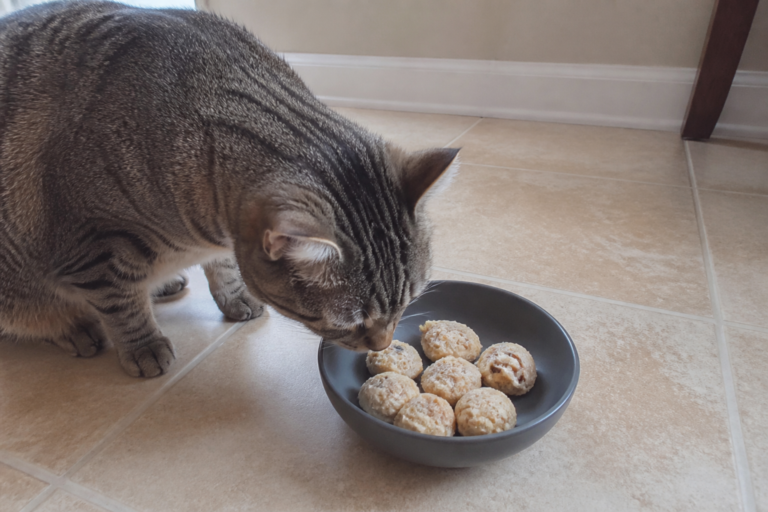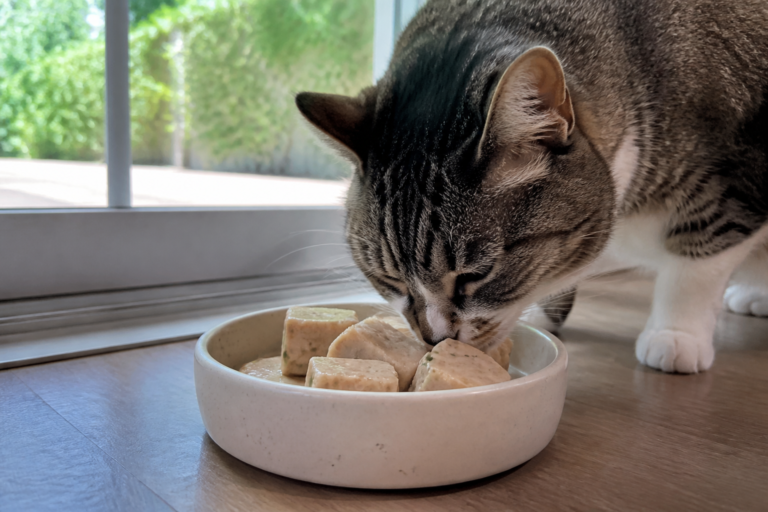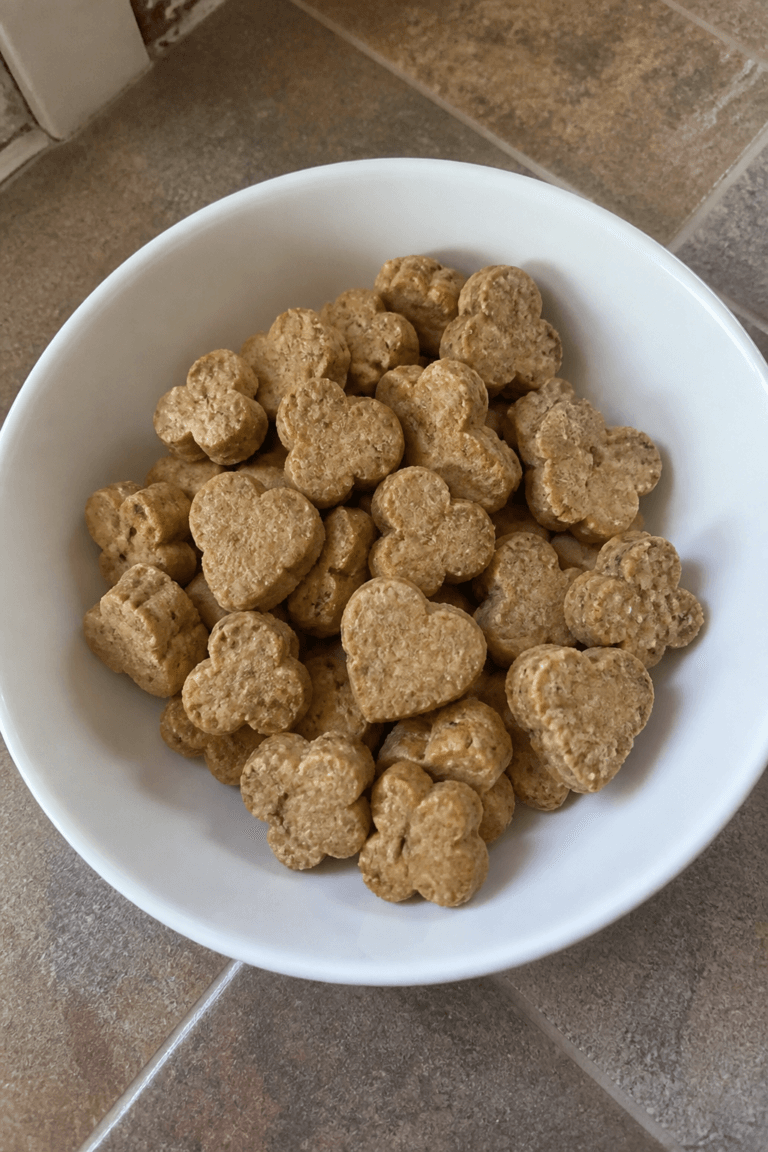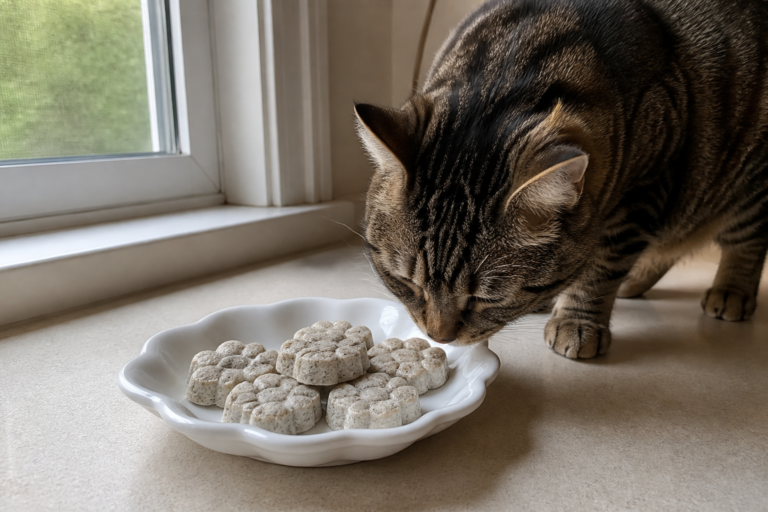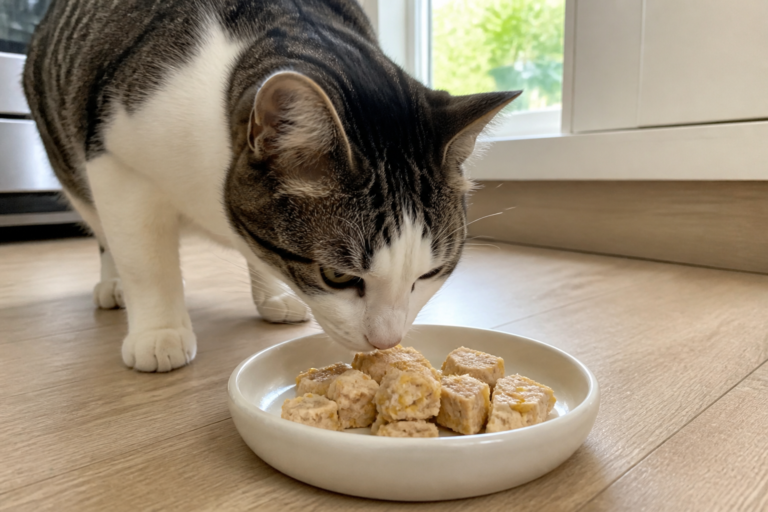
If you want a simple homemade cat treat, these Frozen Shrimp Cottage Cheese Cat Bites are a fun place to start. They are cool, bite-sized, and made with cat-friendly ingredients that many cats enjoy. This recipe works well as an occasional treat or a small topper for a regular meal.
It is easy to make ahead, which is great when you want a quick snack ready in the freezer.
These bites are meant for cats, not people, so the portions stay small and the ingredients stay plain. You do not need any seasoning, fancy extras, or complicated prep. Just a few simple ingredients and a freezer tray can give you a neat homemade treat your cat may love.
What You’ll Need
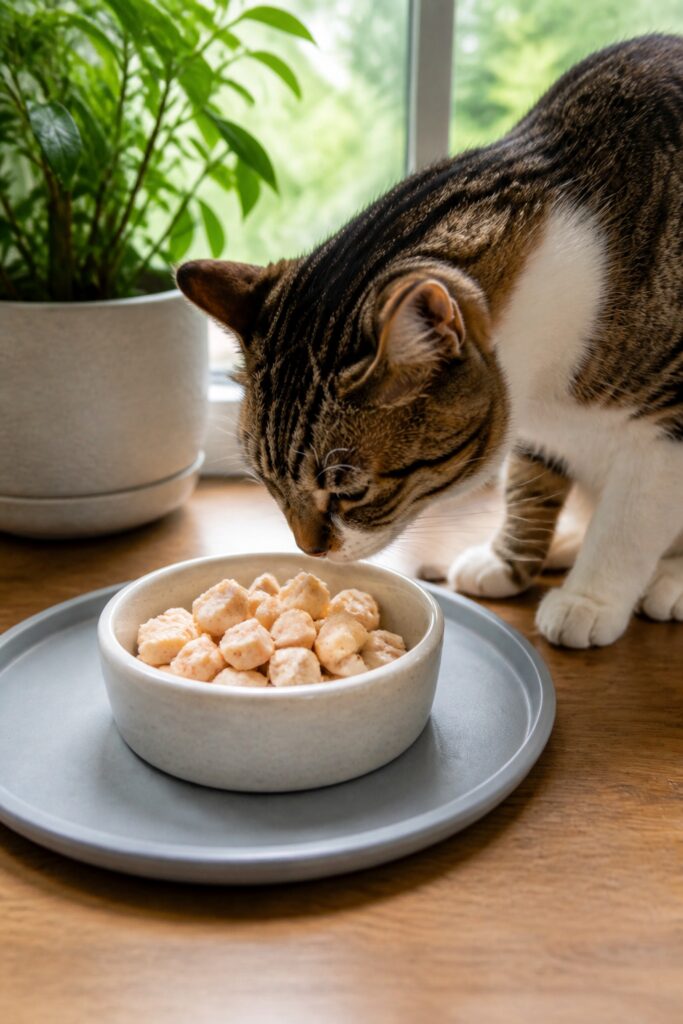
- 1/2 cup cooked shrimp, plain, peeled, deveined, and finely chopped
- 1/4 cup cottage cheese, plain and low-sodium
- 2 tablespoons water, if needed to help blend
- 1 teaspoon plain pumpkin puree, optional for texture
- Silicone mini mold or ice cube tray for freezing
Choose shrimp that has no salt, butter, garlic, onion, or seasoning.
For the cottage cheese, keep it plain and use a small amount, since many cats do best with only a little dairy at a time.
How to Make It
- Cook the shrimp first. If you are using raw shrimp, boil or steam it until fully cooked. Let it cool completely before handling it.
- Remove everything unsafe. Peel the shrimp, take out the tail if needed, and make sure there are no shell pieces left behind.
- Chop the shrimp finely. Small pieces make the texture easier for cats to eat and help the bites freeze more evenly.
- Mix the base. In a small bowl, combine the chopped shrimp with the cottage cheese. Stir in the pumpkin puree if you want a softer, smoother texture.
- Add a little water if needed. If the mixture feels too thick, add just a small splash of water.
You want a spoonable mix, not a runny one.
- Portion into molds. Spoon the mixture into a silicone mini mold or ice cube tray. Tap the tray lightly to settle the mix.
- Freeze until firm. Place the tray in the freezer for about 2 to 3 hours, or until the bites are fully set.
- Serve in tiny portions. Pop out one small bite and let it thaw for a minute or two before offering it to your cat. Always start with a small amount.
If your cat likes softer treats, let the bite thaw a little longer before serving.
If your cat prefers a colder snack, keep the piece frozen but still give it under supervision.
Storage Instructions
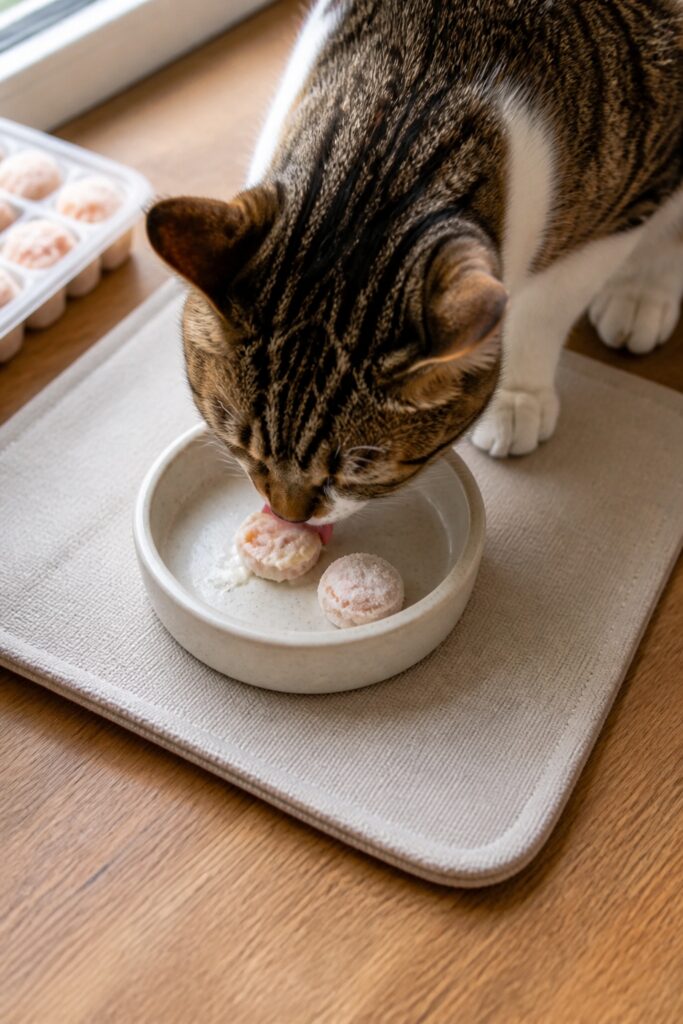
Keep the frozen bites in an airtight container or freezer-safe bag. They usually stay best for up to 2 weeks in the freezer when stored properly.
If you make a small batch for the fridge, keep it covered and use it within 24 hours. Since this recipe contains seafood and dairy, it should not sit out for long.
Throw away any leftovers that have been at room temperature for more than a short feeding time.
For easier portioning, freeze the bites in very small shapes. That way you can take out just one piece at a time instead of thawing the whole batch.
Benefits of This Recipe
This recipe gives your cat a simple mix of animal protein from shrimp and a soft texture from cottage cheese. Many cats enjoy seafood flavors, and the small frozen bite format can make treat time feel special.
Shrimp can be a useful occasional protein source when it is fully cooked and served plain.
Cottage cheese adds creaminess, but because dairy can be hard for some cats to digest, the recipe keeps the amount small.
The recipe also supports portion control. That matters because cat treats should stay small and should not crowd out a complete and balanced cat food.
Use this recipe as an occasional treat, food topper, or a fun enrichment snack. It works best when it stays part of an overall diet built around complete cat meals.
Common Mistakes to Avoid
- Using seasoned shrimp. Avoid shrimp with salt, garlic, onion powder, butter, or sauce.
- Adding too much dairy. Keep the cottage cheese amount small, since some cats react badly to larger dairy servings.
- Leaving shell pieces in the mix. Shell fragments can be rough on a cat’s mouth and are not worth the risk.
- Serving bites that are too large. Cat treats should be small enough for easy chewing and safe swallowing.
- Letting treats sit out too long. Seafood and dairy can spoil quickly, so only offer what your cat will eat right away.
- Replacing cat food with treats. These bites should not take the place of a complete daily diet.
It also helps to keep the recipe plain.
Cats do not need herbs, spices, or flavor boosters, and many human-style add-ins can create problems.
Alternatives
If your cat does not like cottage cheese, try a smaller amount of plain, unsweetened yogurt only if your cat already tolerates dairy well. You can also skip the dairy and make the bites with shrimp and a little water for a firmer, simpler treat.
If shrimp is not your cat’s favorite, try another cooked, cat-safe protein such as plain cooked chicken or plain cooked turkey. Make sure the meat has no seasoning, skin, bones, or oils.
For texture changes, you can mash the mixture smoother for cats that prefer soft food.
If your cat likes a little crunch from the cold, freeze the mix in smaller cubes for a firmer bite.
You can also add a tiny bit of plain pumpkin puree for a thicker, more scoopable texture. Keep any add-ins simple and cat-safe, and only change one ingredient at a time if your cat has a sensitive stomach.
FAQ
How many Frozen Shrimp Cottage Cheese Cat Bites can I give my cat?
Start with one small bite and watch how your cat handles it. Treats should stay small and occasional, especially if your cat already gets treats or toppers during the day.
Can I use raw shrimp instead of cooked shrimp?
No, it is better to use fully cooked shrimp.
Raw seafood can carry harmful bacteria, and plain cooking keeps the treat safer for your cat.
Is cottage cheese safe for all cats?
Not always. Some cats handle a small amount of cottage cheese fine, while others may have trouble with dairy. Keep the amount low and stop serving it if it causes tummy upset.
How long should I thaw the bites before serving?
A short thaw of 1 to 3 minutes is usually enough for a small bite.
You want it cold but not rock hard, especially for cats that prefer a softer texture.
Can I store these in the fridge instead of the freezer?
Yes, but only for a very short time. Because the recipe contains seafood and dairy, it is safer to keep most of the batch frozen and only refrigerate a small portion for immediate use.
Can kittens eat these bites?
Only give kitten-sized portions if your kitten has already started eating solid food and handles new foods well. Keep the piece tiny, and avoid making treats a big part of a kitten’s diet.
What if my cat does not like shrimp?
You can swap the shrimp for another plain cooked protein, like chicken or turkey.
Some cats prefer mild flavors, so a simpler version may work better.
Frozen Shrimp Cottage Cheese Cat Bites are an easy homemade treat that keeps things simple, cat-friendly, and practical. With plain ingredients, small portions, and careful storage, you can make a snack that feels special without overcomplicating your cat’s diet.