Stop spending a fortune on those tiny bags of “high-value” treats that smell like cardboard.
Your dog knows the difference between a processed nugget and the real deal, and nothing gets a tail wagging faster than the pungent, earthy aroma of liver.
These Air Fryer Chicken Liver Training Dog Treats are about to become your secret weapon for perfect recalls and impressive tricks.
Ingredients
- 1 pound fresh chicken livers (ensure they are raw and unseasoned)
- 1 tablespoon extra virgin olive oil or melted coconut oil
- 1/4 cup oat flour (optional, for a crunchier texture)
- 1/2 teaspoon dried parsley (optional, for fresher breath)
Instructions
- Start by rinsing the chicken livers under cold water to remove any excess blood or debris.
- Pat the livers dry with paper towels because excess moisture will prevent them from crisping up properly in the air fryer.
- Trim away any large bits of fat or connective tissue with sharp kitchen shears or a knife.
- Slice the liver into small, bite-sized pieces, keeping in mind that they will shrink by about 30 to 40 percent during the cooking process. Aim for half-inch cubes for training purposes.
- Place the sliced liver in a medium mixing bowl and toss them with the olive oil until every piece has a light coating.
- If you want a firmer, less “tacky” treat, sprinkle the oat flour and parsley over the liver and toss again until the pieces look lightly breaded.
- Preheat your air fryer to 350 degrees Fahrenheit for about 3 minutes.
- Arrange the liver pieces in a single layer in the air fryer basket, making sure they do not overlap so the air can circulate freely.
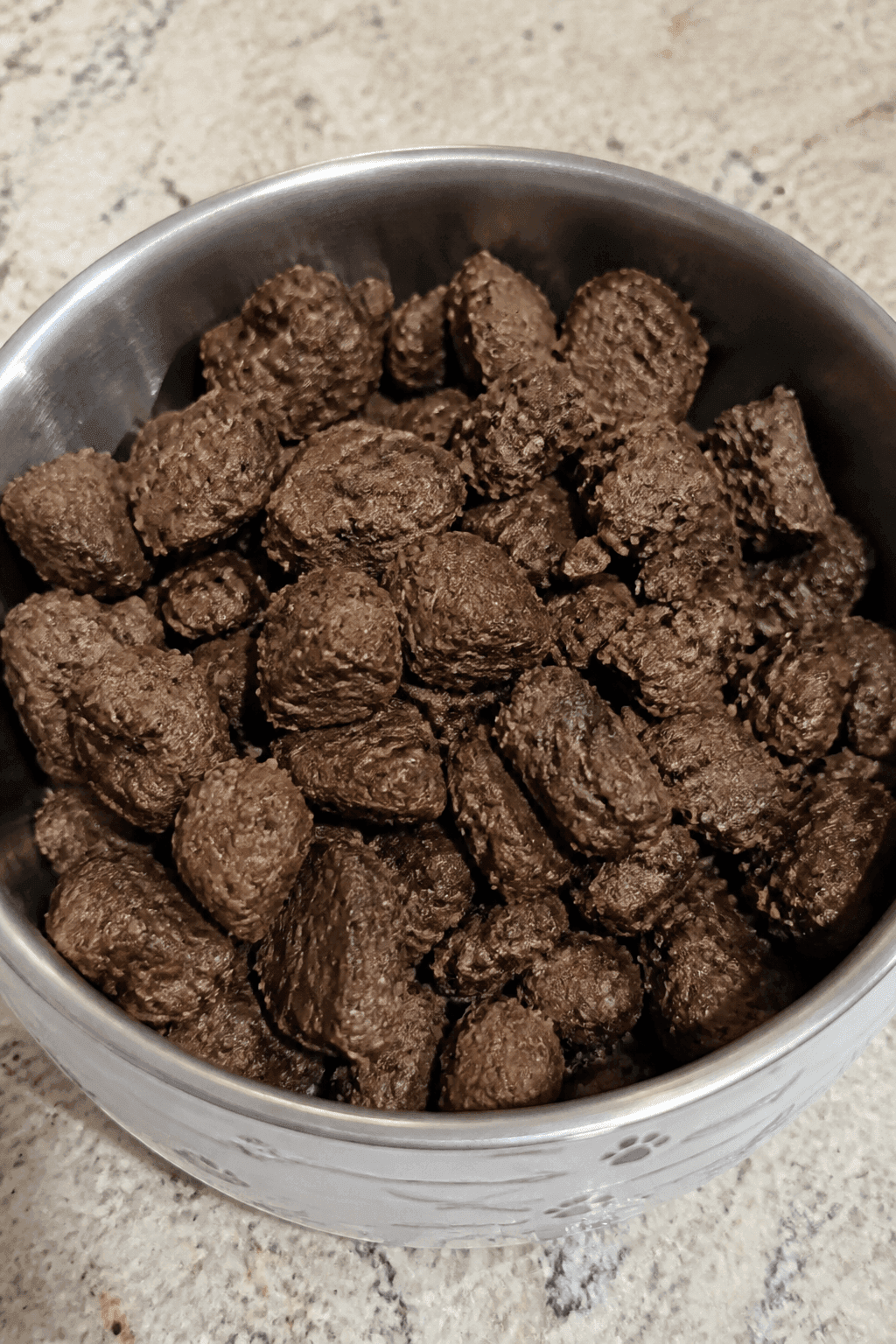
- Cook the liver for 10 to 12 minutes, shaking the basket halfway through the timer to ensure even browning.
- Check for doneness by cutting a piece open; the center should be firm and dark, not soft or bright red.
- For a crunchier, more “dehydrated” texture, lower the heat to 300 degrees Fahrenheit and cook for an additional 5 to 7 minutes.
- Remove the basket and let the treats cool completely on a wire rack before serving them to your dog.
Calories and Nutrition
| Nutrient | Amount Per 10g Serving (Approx. 5 small treats) |
|---|---|
| Calories | 18 kcal |
| Protein | 2.5g |
| Fat | 0.8g |
| Carbohydrates | 0.2g |
| Iron | 0.9mg |
| Vitamin A | 1,300 IU |
Serving Guidance: These treats are incredibly rich and should only make up a small portion of your dog’s daily caloric intake.
For a small dog (under 20 lbs), limit intake to 2 to 3 treats per day.
Medium dogs (21-50 lbs) can enjoy 5 to 6 treats, while large dogs (over 50 lbs) can handle up to 8 to 10 treats during a training session. Always adjust their main meal portions if you use a lot of treats!
Storage Tips
Storing homemade organ meat treats requires a bit more care than store-bought biscuits. Since these don’t contain artificial preservatives, they will spoil quickly if left on the counter.
Always store your chicken liver treats in an airtight container in the refrigerator. They will stay fresh and safe for about 4 to 5 days.
If you made a massive batch (which I highly recommend doing to save time), you can freeze them for long-term use.
* Lay the cooled treats on a baking sheet in a single layer.
* Freeze them for two hours until they are “flash frozen.”
* Transfer them into a freezer-safe bag or container.
* They will last for up to 3 months in the freezer.
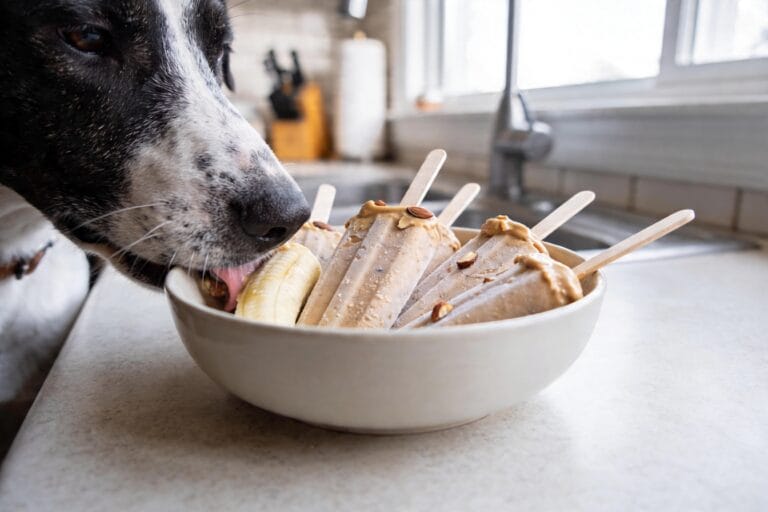
* You don’t even need to thaw them for most dogs, as many pups love a “liversicle” on a hot day!
Feeding Suggestions
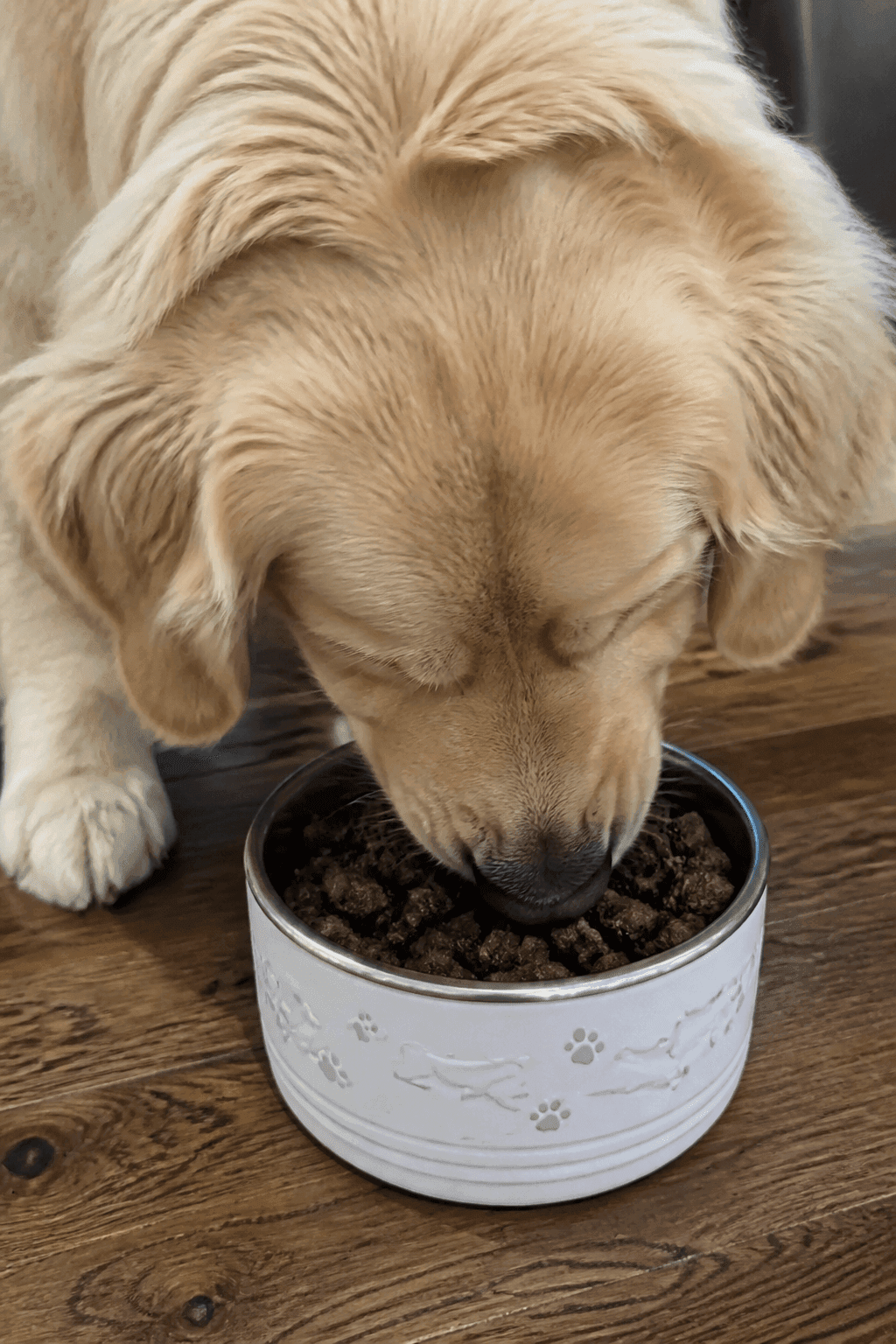
These are “high-value” treats, which means they are the big guns of the training world.
Use them when you are teaching a difficult new command or working on distractions in a busy park.
High-value treats should be reserved for special occasions or intense training sessions to keep your dog motivated.
- Use them for “Recall” training: If your dog knows they get liver for coming when called, they will sprint back to you every time.
- Break them into even smaller pieces: You can pinch these treats into tiny crumbs for small breeds or puppies to make the batch last longer.
- Mix them with boring kibble: If your dog is a picky eater, toss a few of these into their bowl to “prime the pump” and get them excited about dinner.
- Stuff them into a puzzle toy: Since they have a strong scent, they are perfect for scent-work games or hiding inside rubber toys.
Nutritional Benefits
Chicken liver is often called “nature’s multivitamin” for a reason. It is packed with essential nutrients that support your dog’s overall health, provided you don’t overdo it.
Liver is an incredible source of high-quality protein and healthy fats, which are vital for maintaining muscle mass and energy levels.
- Vitamin A: This is a powerhouse for eye health and immune function. It helps your dog fight off infections and keeps their skin and coat looking shiny.
- B Vitamins: Specifically B12 and Folate, which help with brain function and keep the nervous system running smoothly.
- Iron: Liver is loaded with iron, which helps transport oxygen in the blood and prevents anemia.
- Copper and Zinc: These minerals support joint health and skin integrity.
IMO, adding fresh organ meat to a dog’s diet is one of the best things you can do for their vitality. It provides a nutrient density that is hard to find in muscle meat alone.
Health Considerations and What to Avoid
While chicken liver is a superfood, it comes with a few warnings. The most important thing to remember is that liver is very high in Vitamin A.
Feeding too much liver can lead to Vitamin A toxicity, which can cause joint stiffness, skin problems, and other health issues. This is why liver should never exceed 5 to 10 percent of your dog’s total diet.
- Avoid Seasonings: Never add onions, garlic, or excessive salt to these treats. Onions and garlic are toxic to dogs and can cause life-threatening anemia.
- Watch the Fat: If your dog has a history of pancreatitis, be careful with liver. While chicken liver is leaner than beef liver, it still contains fat that could trigger a flare-up in sensitive dogs.
- Richness Factor: Some dogs have sensitive stomachs. If your dog isn’t used to organ meat, start with just one small piece to ensure they don’t get diarrhea or an upset tummy.
- Raw Safety: Always wash your hands and any surfaces that come into contact with raw liver to prevent the spread of bacteria like Salmonella.