Does your dog go wild for crunchy snacks?
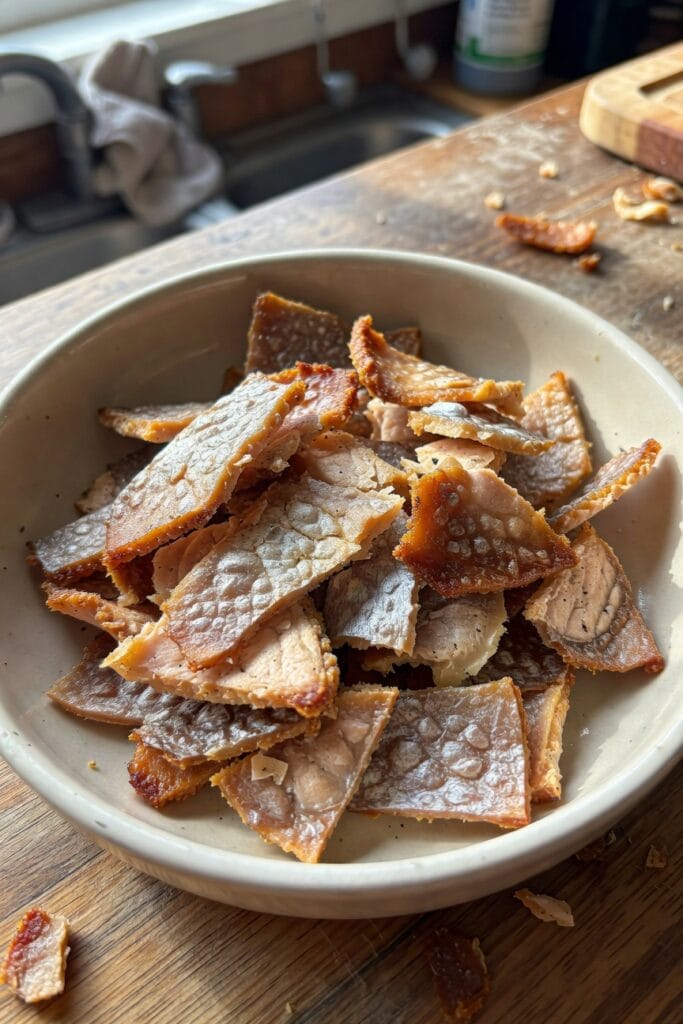
These Air Fryer Salmon Skin Crisps deliver a crispy, fishy treat that dogs adore, and they pack nutrients that support a glossy coat and healthy skin.
Simple to make, low in ingredients, and safe when prepared correctly, these crisps double as a treat or a topper for meals. Let’s get that tail wagging.
Ingredients
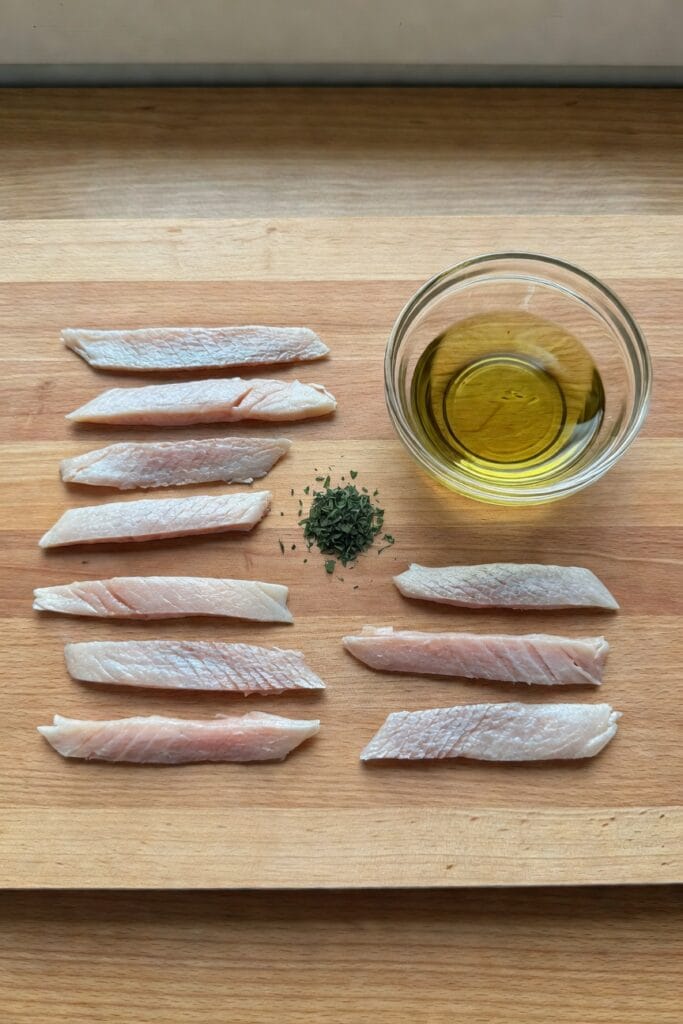
Keep it minimal and dog-safe. You only need a few things.
- Fresh salmon skin, with minimal scales and no seasoning.
- Olive oil or salmon oil, a light brush will do.
- Optional: a tiny pinch of dried parsley for breath freshening.
Important safety note: Do not use salmon skin with bones, spices, garlic, onion, salt, or any seasoning that could harm dogs. Never use smoked or cured salmon skin that contains sodium or nitrates.
Preparation Steps
This method keeps the skin safe and crisp without added nasties.
- Preheat your air fryer to 375°F (190°C).
- Rinse the salmon skin under cold water to remove loose scales and pat dry with paper towels.
- Trim away any visible bones. Run your fingers along the skin to feel for tiny bone fragments and remove them.
- Lightly brush one side of the skin with a small amount of olive oil or salmon oil. Too much oil will make them soggy.
- Cut the skin into bite-sized pieces suitable for your dog’s size. Small dogs need smaller pieces.
- Place pieces in a single layer in the air fryer basket, skin side up. Don’t overlap.
- Cook for 6-10 minutes, checking at 5 minutes. Flip the pieces halfway if your air fryer model benefits from that.
- Remove when golden brown and crisp. Let cool fully before serving.
Tips for Perfect Crispiness
- Pat the skins super dry. Moisture prevents browning and makes them chewy.
- Don’t crowd the basket. Air circulation gives even crisping.
- If pieces are still chewy, return them in 1-2 minute bursts until fully crisp.
Nutritional Benefits for Dogs
Why salmon skin, you ask? Short answer: omega-3s and tastiness.
- Omega-3 fatty acids from salmon skin support skin health and promote a shiny coat. Dogs with dry, itchy skin often benefit from increased omega-3 intake.
- Protein and collagen help muscle health and joint support, especially for active or aging dogs.
- Low in carbs and fillers, this treat avoids empty calories and keeps your pup lean.
IMO, powdered supplements can help, but real food like salmon skin gives nutrients in a naturally bioavailable form.
FYI, these crisps should complement a balanced diet, not replace complete meals.
Serving Suggestions
Serve as a treat, training reward, or meal topper. Dogs often prefer a crunchy texture, so the crisps make an excellent distraction during grooming or nail trims.
- Break a crisp into small bits for training sessions.
- Crumble over your dog’s regular food for a flavor boost and omega-3 kick.
- Use sparingly as a high-fat treat for dogs on weight-management plans.
How Much to Feed
Portion control matters. For small dogs, one or two small pieces a couple times a week works.
Medium to large dogs can have a few more, but cap treats at 10% of daily caloric intake.
If your dog has pancreatitis or fat-sensitive conditions, skip fatty skins entirely and consult your vet.
Storage Tips
Crisps stay best when completely dry and stored properly.
- Store cooled crisps in an airtight container in the fridge for up to 5 days.
- For longer storage, freeze in a single layer on a baking sheet, then transfer to a freezer bag. Thaw a few at a time.
- Re-crisp in the air fryer for 1-2 minutes if they lose crunch after refrigeration.
Safety and Ingredients to Avoid
Dogs get into trouble with human flavorings, so be vigilant.
- Avoid garlic, onion, salt, soy sauce, teriyaki, and smoked or cured salmon skins.
- Keep an eye on bone fragments. Even tiny fish bones can be dangerous.
- If your dog has a fish allergy, do not offer this treat.
- Monitor for signs of gastrointestinal upset after first-time feeding, such as vomiting or diarrhea.
Variations and Mix-Ins
Want to experiment? Keep it simple and dog-safe.
- Light salmon oil drizzle after air frying for extra omega-3s.
- Grind a few crisps into a powder and mix into meals for picky eaters who need coat-support nutrients.
- Combine tiny crisp pieces with soft food for a textural contrast that many dogs love.
Low-Fat Option
If your dog needs lower-fat treats, remove excess fat by patting with paper towels and air-frying slightly longer at a lower temperature.
Still, talk to your vet before adding fish skin to a low-fat diet.
FAQs
Can puppies eat salmon skin crisps?
Yes, puppies can eat salmon skin crisps in small amounts once they are weaned and eating solids. Start with tiny pieces to test tolerance and watch for any digestive upset. Puppies have different fat needs, so consult your vet for portion guidance.
How often can I give these to my dog?
Give crisps as an occasional treat two to three times a week. Keep all treats within the 10% daily calorie guideline. If your dog eats other high-fat foods, reduce frequency accordingly.
My dog has pancreatitis. Is this safe?
No, do not give salmon skin to dogs with pancreatitis or a history of fat-sensitive issues. Salmon skin contains concentrated fats that can trigger flare-ups. Check with your vet for safe alternatives.
Can I use other fish skins?
You can use skin from other fish like cod or trout, but nutritional content varies. Always avoid smoked or cured fish, remove bones, and prepare the same way. Salmon offers a particularly high omega-3 profile, which helps coats shine.
What if my dog refuses the crisps?
Some dogs prefer soft textures. Try crumbling the crisps over wet food or pairing with a favorite topper. If refusal persists, your dog may simply not like fish, and that’s okay.
Are there human-grade seasonings safe for dogs?
Keep seasoning minimal. A light sprinkle of dried parsley helps with breath but avoid salt, garlic, and onion. If you like herbs, consult your vet about dog-safe options first.