You just brought home a Golden Retriever. The tail is wagging. The eyes are soft and warm. You already love this dog more than you expected.
But now comes the real question. How do you take care of a Golden Retriever the right way?
Golden Retrievers are one of the most popular dog breeds in the world for good reason. They are gentle, loyal, and eager to please.
But they also have specific needs that every new owner must understand. Get these right from the start, and you will have a healthy, happy dog for years to come.
What Makes Golden Retrievers Different From Other Breeds
Before you learn how to care for a Golden, you need to understand what makes them unique.
Golden Retrievers were originally bred as hunting dogs. They retrieved waterfowl for hunters in the Scottish Highlands.
That history shapes who they are today. They are athletic. They love water. They need a purpose.
They are also deeply social animals. A Golden does not do well when left alone for long hours. They bond tightly with their families and feel stress when separated for too long.
Knowing this helps you build the right care routine from day one.
Feeding Your Golden Retriever the Right Way

How Much to Feed a Golden Retriever
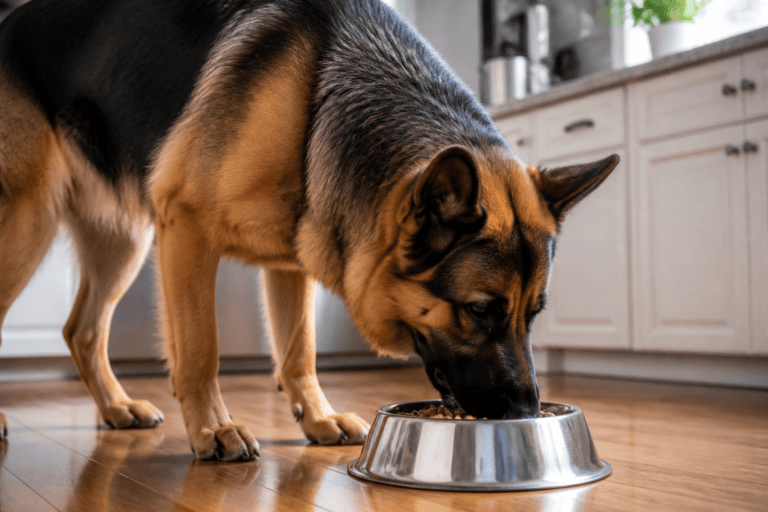
Golden Retriever feeding depends on age, weight, and activity level.
As a general guide, most adult Goldens need between 3 and 5 cups of high-quality dry kibble per day, split into two meals.
Puppies need more frequent meals. Feed them three times a day until they are six months old, then move to twice a day.
| Age | Daily Food Amount | Meals Per Day |
|---|---|---|
| 8 to 12 weeks | 1 to 1.5 cups | 3 |
| 3 to 6 months | 1.5 to 2.5 cups | 3 |
| 6 to 12 months | 2.5 to 3.5 cups | 2 |
| Adult (1 year and up) | 3 to 5 cups | 2 |
Always check the label on your dog food. Serving sizes vary by brand and calorie density.
Best Diet for Golden Retrievers
Look for a dog food where the first ingredient is a real protein. Chicken, salmon, and beef are all good choices. Avoid foods with corn syrup, artificial colors, or unnamed meat byproducts.
Golden Retrievers are prone to joint issues as they age. Foods with added glucosamine and omega-3 fatty acids help support joint and coat health from an early age.
Avoid free feeding. Leave food out only during meal times. This prevents overeating, which is a real risk with Goldens. They love food and will eat past the point of fullness.
Foods to Never Give Your Golden Retriever
Some human foods are toxic to dogs. Never give your Golden the following:
- Grapes and raisins
- Onions and garlic
- Chocolate
- Macadamia nuts
- Xylitol (found in sugar-free gum and some peanut butters)
- Avocado
Keep these foods out of reach at all times.
Golden Retriever Exercise Needs
How Much Exercise Does a Golden Retriever Need
Golden Retrievers need at least 1 to 2 hours of exercise every day. This is not optional. A bored Golden becomes a destructive Golden.
They are a working breed. Their bodies and minds need daily movement. Without it, you will see chewing, barking, digging, and anxious behavior.
| Age | Daily Exercise Recommendation |
|---|---|
| Puppy (under 6 months) | 5 minutes per month of age, twice a day |
| 6 to 12 months | 30 to 45 minutes, twice a day |
| Adult (1 to 7 years) | 60 to 90 minutes per day |
| Senior (7 years and up) | 30 to 45 minutes, low impact |
Best Activities for Golden Retrievers
Goldens love water. Swimming is one of the best low-impact exercises for the breed. It is easy on their joints and burns enormous energy.
Other great options include:
- Fetch in a fenced yard
- Off-leash runs in a dog park
- Hiking on trails
- Structured walks with sniff time
Mental exercise matters just as much as physical exercise. Puzzle toys, training sessions, and games like hide and seek tire out a Golden’s brain as much as running does.
Grooming a Golden Retriever

The Golden Retriever Coat Explained
Golden Retrievers have a double coat. There is a soft, dense undercoat and a longer, water-resistant outer coat.
This coat sheds year-round and heavily during spring and fall shedding seasons.
New owners are often surprised by the amount of shedding. It is significant. Prepare your home and your wardrobe for it.
Golden Retriever Grooming Routine
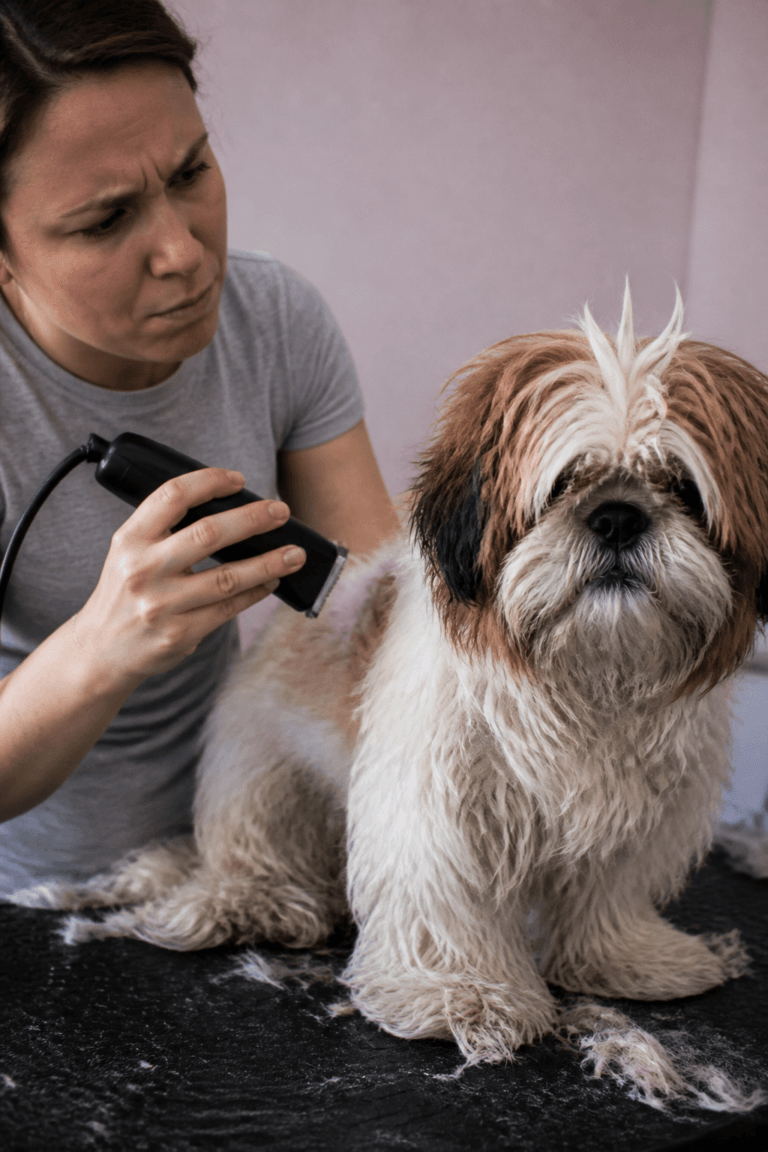
Brush your Golden at least three times a week. During shedding season, daily brushing is better.
A slicker brush works well for the outer coat. An undercoat rake helps manage the dense inner layer.
| Grooming Task | Frequency |
|---|---|
| Brushing | 3 to 7 times per week |
| Bathing | Every 4 to 6 weeks |
| Nail trimming | Every 3 to 4 weeks |
| Ear cleaning | Every 2 weeks |
| Teeth brushing | 2 to 3 times per week |
Bathe your Golden every four to six weeks using a dog-safe shampoo. Bathing too often strips the natural oils from the coat and causes dry, itchy skin.
Ear Care for Golden Retrievers
Golden Retrievers are prone to ear infections. Their floppy ears trap moisture and reduce airflow inside the ear canal.
Check and clean the ears every two weeks using a vet-approved ear cleaning solution.
Signs of an ear infection include shaking the head, scratching at the ear, or a foul smell from the ear canal. See your vet if you notice any of these signs.
Training Your Golden Retriever
Why Golden Retrievers Are Easy to Train
Golden Retrievers are among the most trainable dog breeds. They are intelligent and highly motivated by food and praise.
They want to please their owners, which makes learning new behaviors fast and rewarding for both of you.
That said, they are also energetic and easily distracted as puppies. Short, consistent training sessions work better than long ones.
Basic Commands Every Golden Retriever Should Learn
Start with these five commands in the first few weeks:
- Sit
- Stay
- Come
- Down
- Leave it
Positive reinforcement is the only approach you need. Reward with a small treat and enthusiastic praise the moment your dog does the right thing.
Never punish. It damages trust and slows learning.

Leash Training a Golden Retriever
Goldens are strong dogs. An untrained Golden on a leash can drag an adult off their feet. Start leash training early.
Teach your dog to walk beside you, not ahead of you. Stop walking the moment your dog pulls.
Only move forward when the leash is loose. Consistency is everything here. Every walk is a training session.
Health Care for Golden Retrievers
Vet Visits and Vaccinations
Take your Golden to the vet within the first week of bringing them home. Establish a veterinary relationship early.
Adult Goldens need a full wellness checkup once a year. Senior dogs (7 years and older) should visit every six months.
Core vaccines for Golden Retrievers include:
- Distemper
- Parvovirus
- Adenovirus
- Rabies
Your vet may also recommend non-core vaccines based on your location and lifestyle, such as leptospirosis or Lyme disease.
Common Health Issues in Golden Retrievers
Golden Retrievers are unfortunately prone to certain health conditions. Being aware of them helps you catch problems early.
| Health Issue | Signs to Watch For |
|---|---|
| Hip and elbow dysplasia | Limping, difficulty rising, reluctance to run |
| Cancer | Lumps, rapid weight loss, lethargy |
| Heart disease | Coughing, reduced stamina, swollen belly |
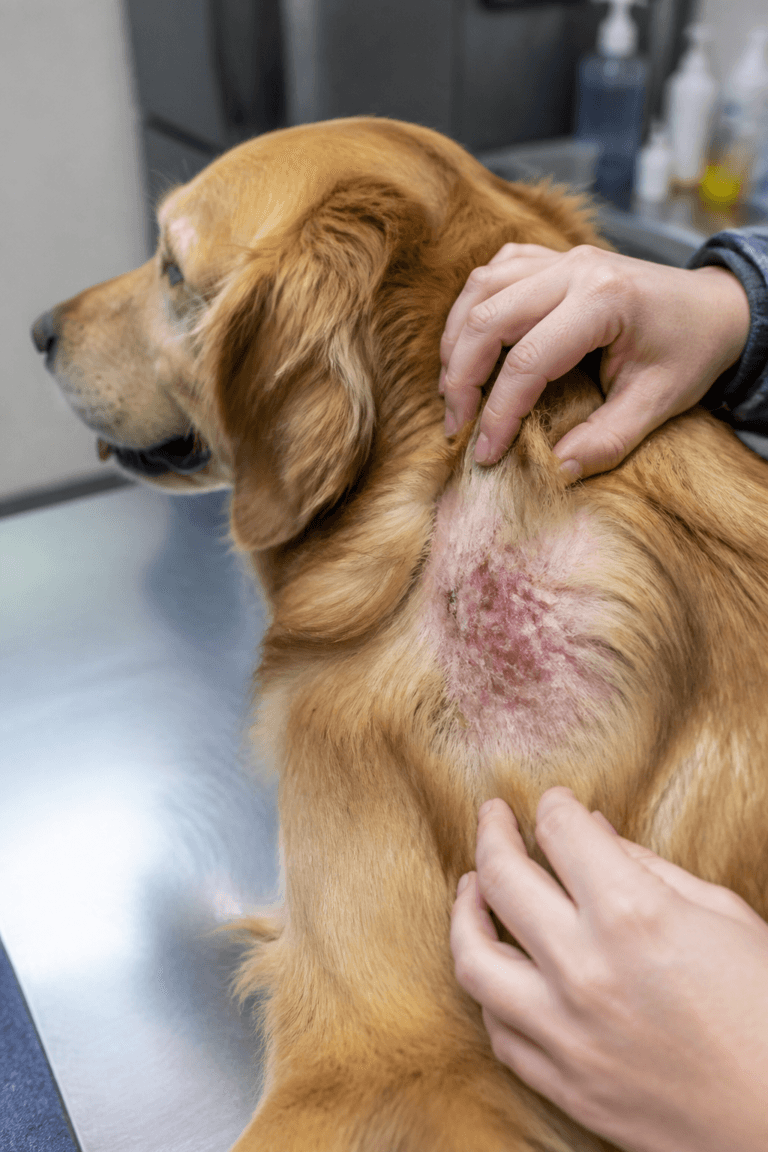
| Skin allergies | Itching, redness, recurring ear infections |
| Hypothyroidism | Weight gain, hair loss, low energy |
Goldens have a higher cancer rate than many other breeds. Annual wellness checks give your vet the chance to catch changes early. Early detection saves lives.
Parasite Prevention
Use a monthly flea and tick preventative year-round. Talk to your vet about heartworm prevention as well. These are not optional for a breed that loves being outdoors.
Dental Care for Golden Retrievers
Dental disease affects 80 percent of dogs by age three. It causes pain, bad breath, and in serious cases, organ damage from bacteria entering the bloodstream.
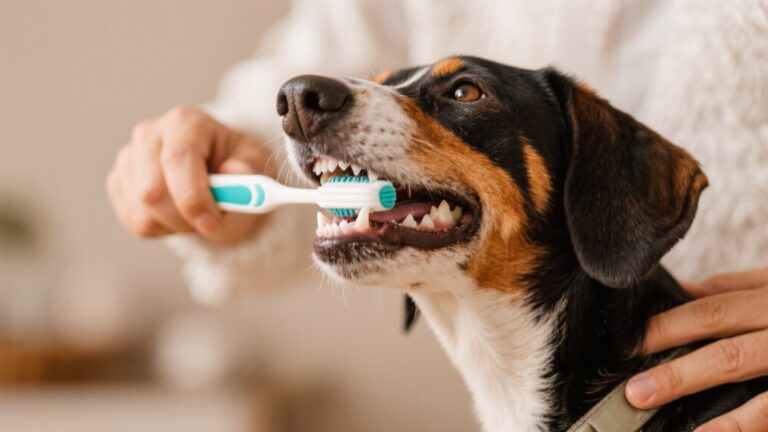
Brush your Golden’s teeth two to three times a week using a dog-safe toothpaste. Never use human toothpaste. It contains ingredients that are toxic to dogs.
Dental chews, water additives, and annual professional cleanings are also helpful tools in keeping your Golden’s mouth healthy.
Socialization and Mental Health
Why Socialization Matters
Socialization is one of the most important things you can do for your Golden Retriever puppy.
The window between 3 and 14 weeks of age is critical. During this time, puppies form their understanding of what is safe and normal in the world.
Expose your puppy to different people, sounds, surfaces, animals, and environments. Do it gently and positively. Puppies that are well socialized grow into calm, confident adult dogs.
Separation Anxiety in Golden Retrievers
Because Goldens bond so deeply with their families, they can develop separation anxiety when left alone. Signs include destructive behavior, excessive barking, house soiling, and pacing.
Prevent this by teaching your puppy that being alone is safe and temporary. Start with short absences and gradually increase the time.
A crate, stuffed with a chew toy or frozen Kong, can help your dog feel secure when you leave.
Golden Retriever Care for Apartment Owners
Many people ask if a Golden Retriever can live in an apartment. The answer is yes, with conditions.
Goldens adapt to smaller spaces better than you might expect. What matters more than square footage is how much exercise they get each day.
A Golden in a small apartment who gets two hours of daily exercise will be calmer and happier than a Golden in a large house who barely goes outside.
Make sure your building allows large dogs. Check weight limits and breed restrictions before you commit.