Bringing home a new puppy is exciting, but potty training can feel overwhelming if you don’t have a clear plan.
The good news? With the right structure, consistency, and patience, you can house train your puppy in just 7 days without stress.
In this guide, we will walk you through a simple, proven method using positive reinforcement, smart scheduling, and easy routines that work for beginners.
Why Potty Training Matters Early
Early training helps your puppy understand where and when to go. It also prevents bad habits that are harder to fix later.
According to the American Kennel Club, puppies learn fastest when training starts early with consistency and rewards.
Some key benefits of early training:
- Builds good behavior habits
- Reduces indoor accidents
- Strengthens bond between you and your dog
- Makes daily life easier
What You Need Before You Start
Before starting your 7-day plan, gather a few essentials.
Basic Supplies
| Item | Purpose |
|---|---|
| Crate | Helps control movement and builds routine |
| Puppy pads (optional) | Backup for emergencies |
| Leash | For guiding to potty area |
| Treats | For positive reinforcement |
| Cleaning spray | Removes odor to prevent repeat accidents |
Using a crate training method is highly effective because dogs naturally avoid soiling their sleeping area.
Understanding Puppy Behavior
To train effectively, you need to understand when puppies usually go.
Common triggers:
- After waking up
- After eating or drinking
- After playtime
- Every 1–2 hours (depending on age)
Young puppies have small bladders, so frequent trips are normal.
7-Day Potty Training Plan
Follow this structured plan step by step.
Day 1: Set a Strict Schedule
Start by creating a consistent routine.
Take your puppy outside:
- First thing in the morning
- Every 1–2 hours
- After meals
- Before bedtime
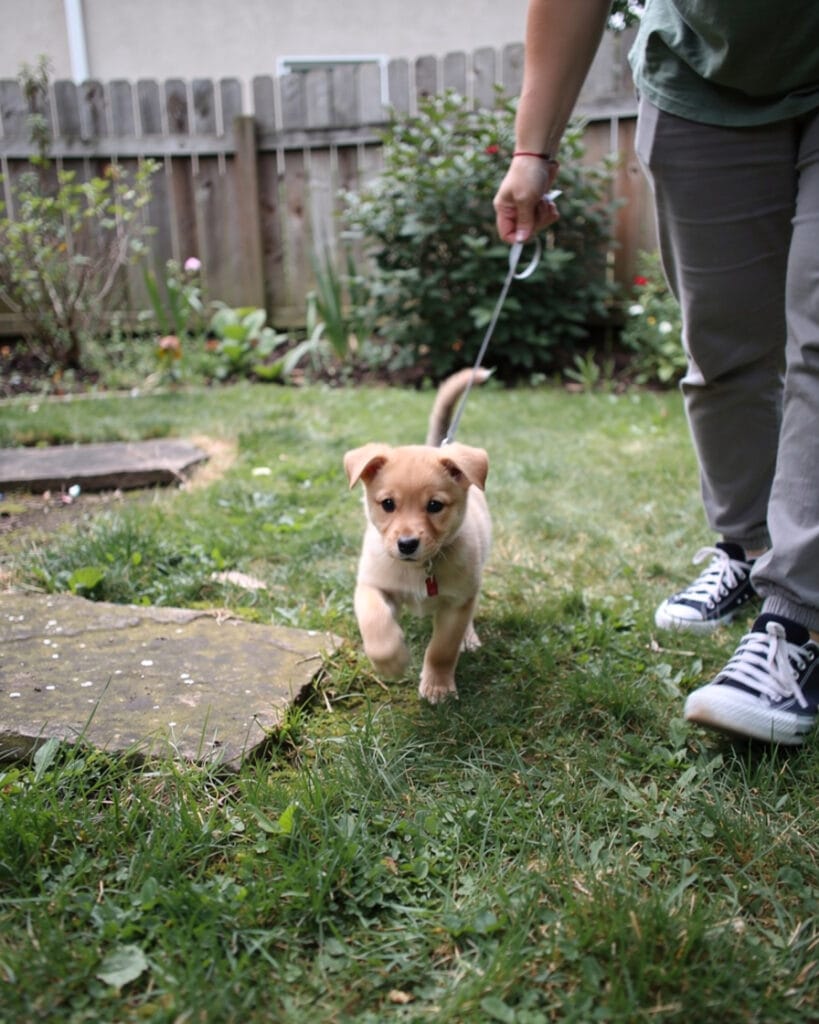
Use a specific spot outdoors. This builds a strong association with the potty area.
👉 Tip: Always use the same phrase like “Go potty” so your puppy connects the command with the action.
Day 2: Introduce the Crate Properly
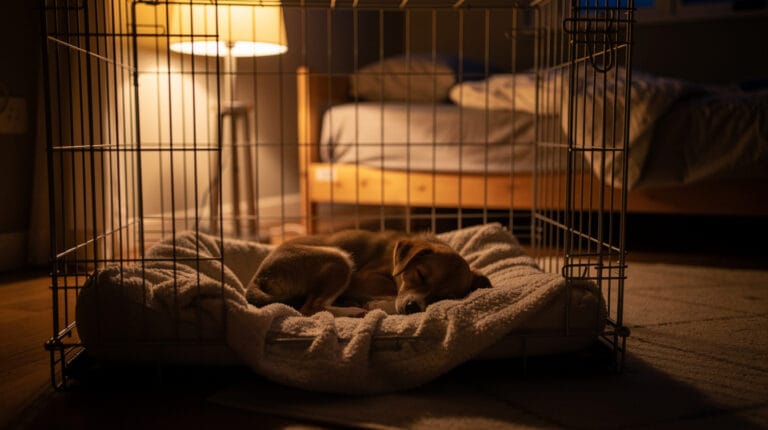
A crate is your best tool for housebreaking a puppy.
Guidelines:
- Keep the crate just big enough to stand and turn
- Never use it as punishment
- Take your puppy out immediately after crate time
Crate training helps prevent accidents when you are not watching.
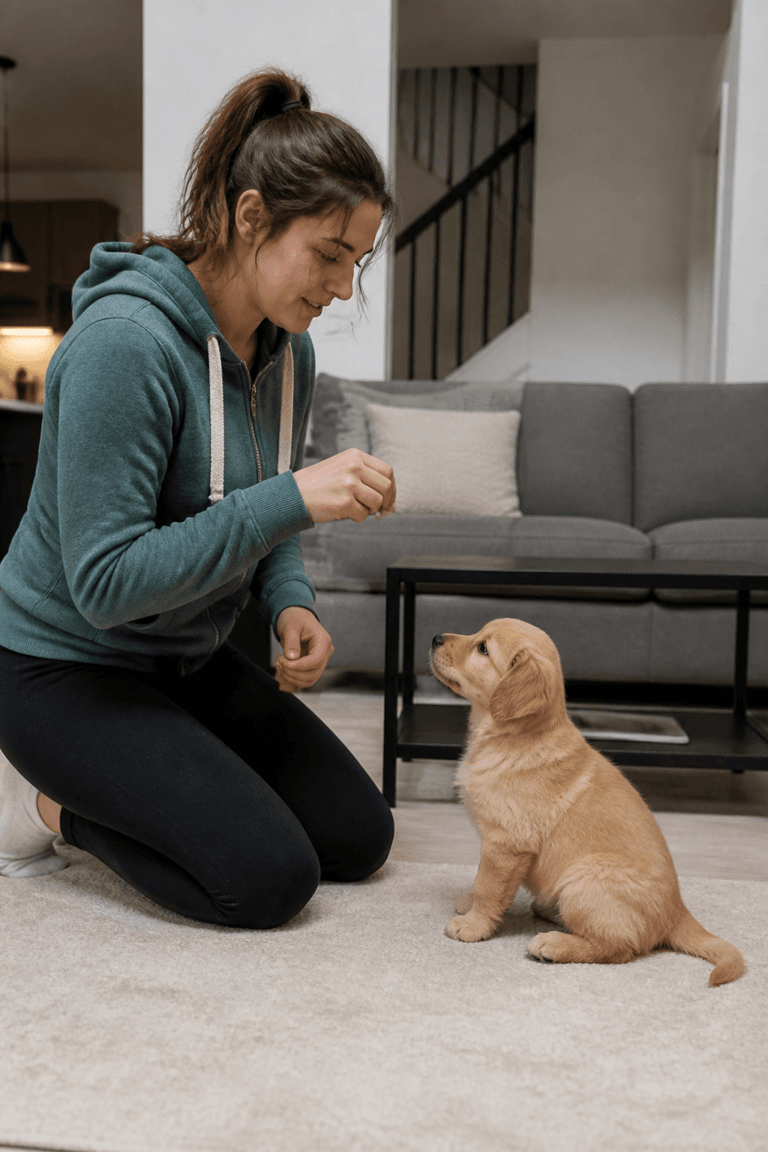
Day 3: Focus on Positive Reinforcement
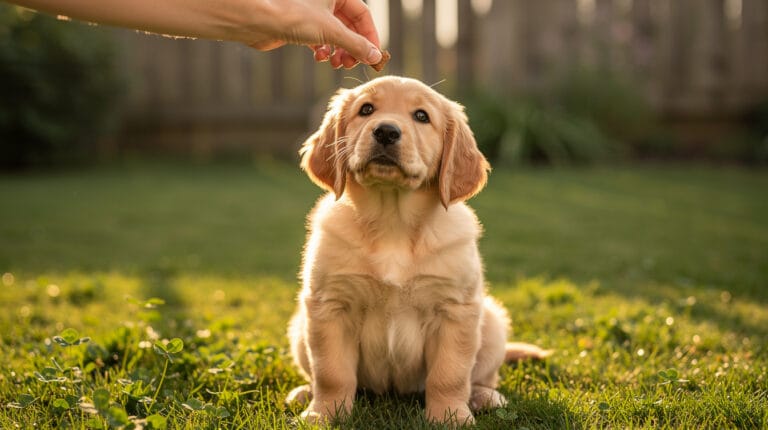
Reward your puppy every time they go outside.
Use:
- Small treats
- Verbal praise like “Good job!”
- Gentle petting
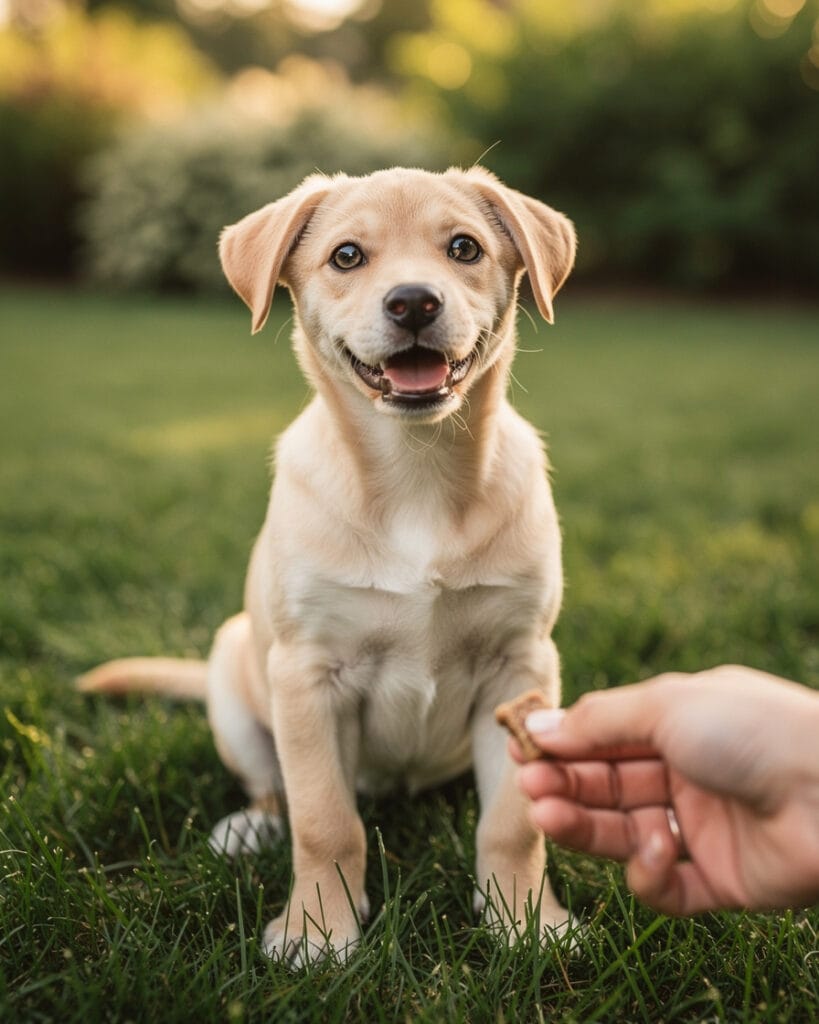
Timing matters. Reward within seconds so your puppy connects the behavior with the reward.
This method follows positive reinforcement training, widely recommended by experts.
Day 4: Watch for Warning Signs
Your puppy will show signs when they need to go.
Common signals:
- Sniffing the floor
- Circling
- Whining
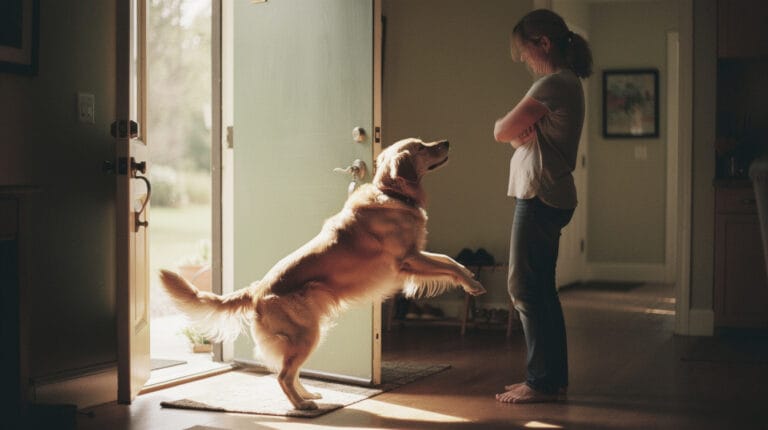
- Going toward the door
As soon as you see these signs, take them outside immediately.
Ignoring these cues often leads to accidents.
Day 5: Reduce Indoor Accidents
Accidents happen, but how you respond matters.
Do:
- Clean immediately with an enzyme cleaner
- Stay calm
Don’t:
- Punish your puppy
- Rub their nose in it
Punishment creates fear and slows down puppy training progress.
Day 6: Extend Time Between Breaks
By now, your puppy should start understanding the routine.
Gradually:
- Increase time between potty trips
- Observe if your puppy can hold longer
This step builds bladder control naturally.
Day 7: Reinforce and Stabilize Routine
On the final day, focus on consistency.
Continue:
- Same schedule
- Same potty spot
- Same commands
At this stage, most puppies show clear improvement with fewer accidents.
Sample Daily Potty Schedule
Here’s a simple schedule you can follow:
| Time | Activity |
|---|---|
| 7:00 AM | Wake up + potty |
| 8:00 AM | Meal + potty |
| 10:00 AM | Potty break |
| 12:00 PM | Meal + potty |
| 2:00 PM | Potty break |
| 5:00 PM | Meal + potty |
| 7:00 PM | Potty break |
| 10:00 PM | Final potty |
Consistency is the key to successful potty training.
Common Mistakes to Avoid
Even with a good plan, some mistakes can slow progress.
Inconsistent Schedule
Skipping potty breaks confuses your puppy.
Too Much Freedom
Letting your puppy roam freely too soon leads to accidents.
Lack of Supervision
Always keep an eye on your puppy during training.
Delayed Rewards
Late rewards weaken the learning connection.
Indoor vs Outdoor Training
Some owners prefer indoor options like puppy pads, especially in apartments.
Outdoor Training
- Builds long-term habits
- Cleaner and more natural
Indoor Training
- Useful during bad weather
- Works for small breeds
Choose one method and stay consistent to avoid confusion.
How Long Does It Really Take?
While this guide focuses on 7-day potty training, full reliability may take a few weeks.
Factors affecting training:
- Puppy age
- Breed
- Consistency
- Owner involvement
Small breeds usually take longer due to smaller bladders.
Pro Tips for Faster Results
- Stick to a fixed feeding schedule
- Use the same exit door every time
- Keep training sessions calm and positive
- Limit water intake before bedtime
- Use a command word consistently
These small steps can speed up puppy house training success.
FAQs
Can you really potty train a puppy in 7 days?
Yes, you can make significant progress in 7 days with a consistent schedule, crate training, and positive reinforcement. However, full reliability may take a few more weeks depending on the puppy’s age, breed, and routine consistency.
How often should I take my puppy outside to potty?
Puppies should be taken outside every 1–2 hours, as well as after waking up, eating, drinking, and playing. Frequent trips help prevent accidents and build a strong potty routine.
What is the best way to prevent indoor accidents?
The best way is to supervise your puppy closely, use a crate when unsupervised, and follow a strict potty schedule. Cleaning accidents with an enzyme cleaner also prevents repeat behavior.
Should I use puppy pads or train outdoors?
Outdoor training is ideal for long-term habits, but puppy pads can be useful in apartments or during bad weather. Choose one method and stay consistent to avoid confusing your puppy.
Is crate training necessary for potty training?
Crate training is highly recommended because it helps control your puppy’s environment and teaches them to hold their bladder. Dogs naturally avoid soiling their sleeping area, making crates very effective for house training.
What should I do if my puppy keeps having accidents?
Stay calm and avoid punishment. Increase potty breaks, supervise more closely, and reward successful outdoor behavior immediately. Consistency and patience are key to improving results.