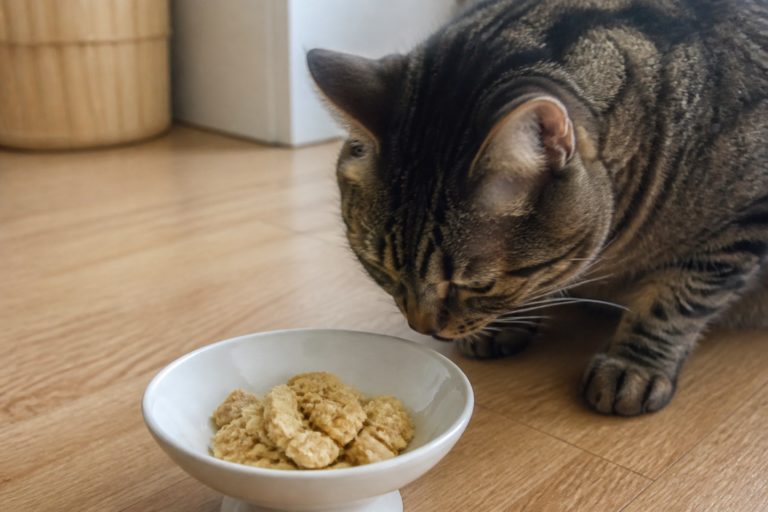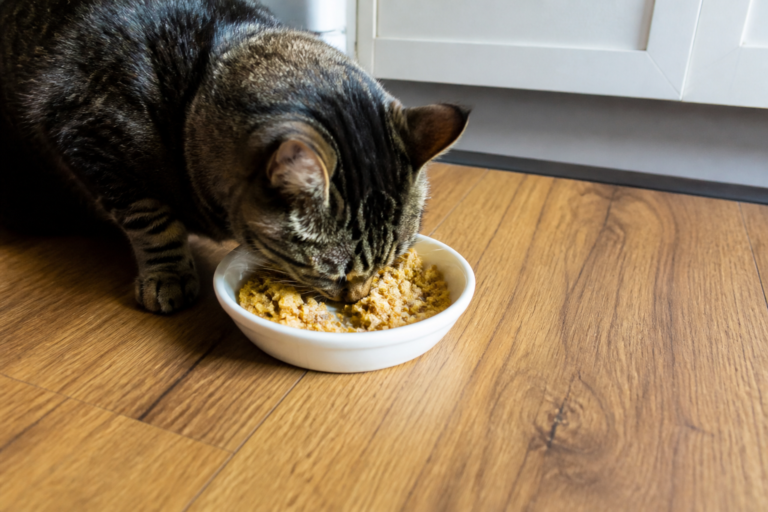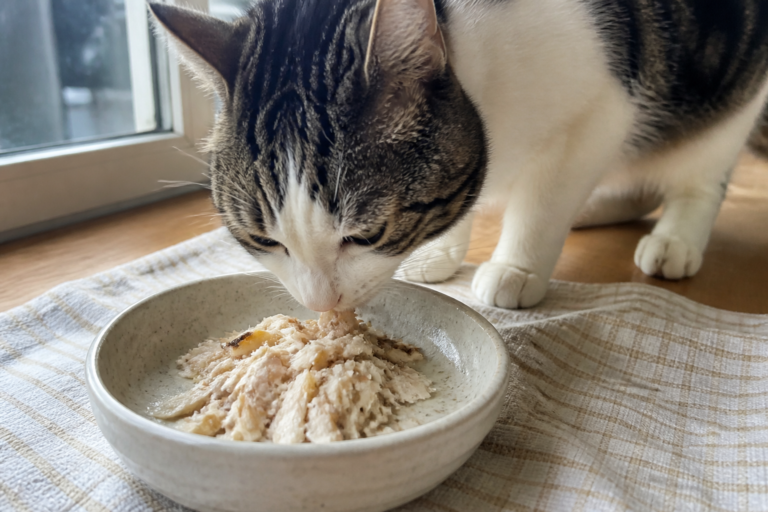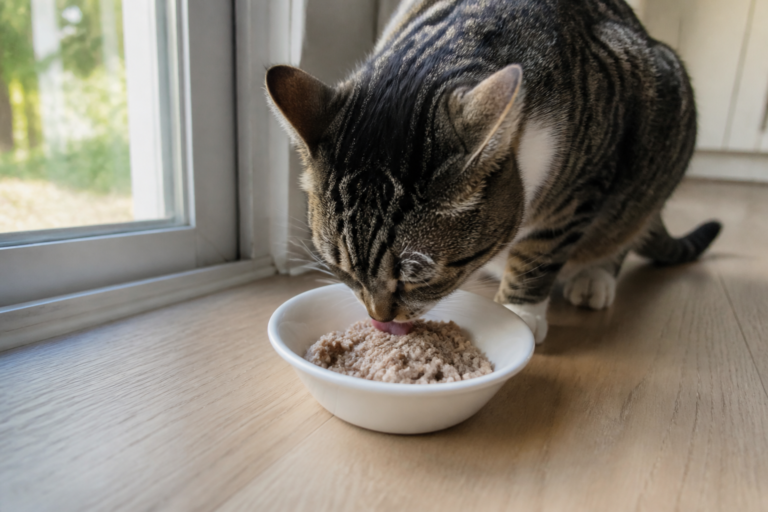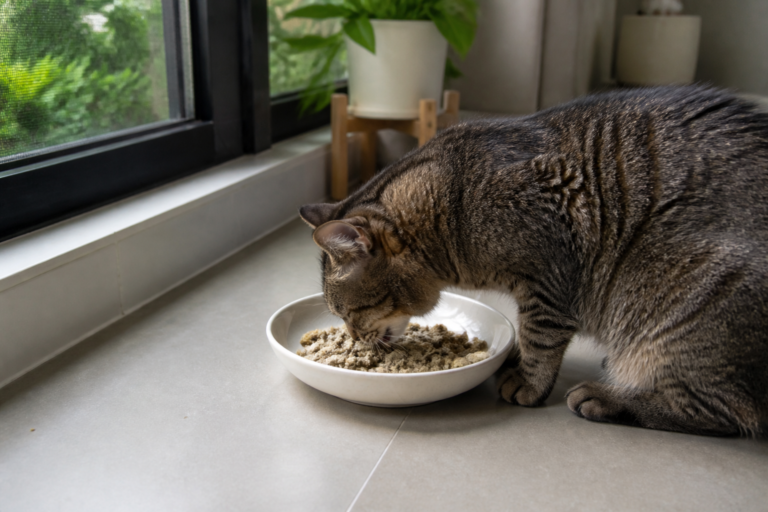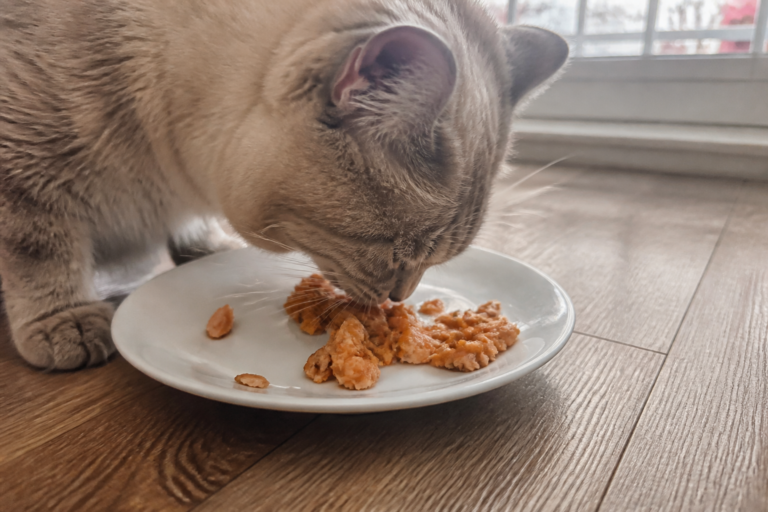
Is your cat currently staring at you with that judgmental “where is my snack” look?
Most store-bought treats come packed with mysterious fillers and artificial preservatives that your feline friend simply does not need.
These DIY Sardine Catnip Protein Treats offer a smelly, delicious, and incredibly healthy alternative that will have your kitty performing their best “slow blink” in gratitude.
Ingredients
- 1 can (approx. 4 ounces) sardines in water (ensure no added salt and no oil)
- 1 cup oat flour (you can make this by pulsing rolled oats in a blender)
- 1 large egg (beaten)
- 1 tablespoon dried catnip (organic is best)
- 1 tablespoon water (only if the dough feels too dry)
Instructions
- Preheat your oven to 350°F (175°C) and line a baking sheet with parchment paper or a silicone baking mat.
- Open the can of sardines and drain the water thoroughly.
- Place the sardines in a medium-sized mixing bowl and mash them with a fork until they form a thick paste.
- Add the beaten egg and the dried catnip to the fish paste and stir until well combined.
- Slowly incorporate the oat flour into the wet mixture, stirring constantly until a stiff dough forms.
- If the dough feels too crumbly to hold its shape, add a teaspoon of water at a time until it reaches a workable consistency.
- Turn the dough out onto a lightly floured surface (use a little extra oat flour) and roll it out to about 1/4 inch thickness.
- Use a small cookie cutter or a pizza cutter to create bite-sized squares roughly the size of a blueberry.
- Place the treats onto your prepared baking sheet, leaving a little space between each one.
- Bake the treats for 10 to 12 minutes or until they feel firm to the touch and appear slightly golden.
- Turn off the oven and let the treats sit inside for an extra 5 minutes to increase the crunch factor.
- Remove the tray from the oven and allow the treats to cool completely on a wire rack before serving them to your cat.
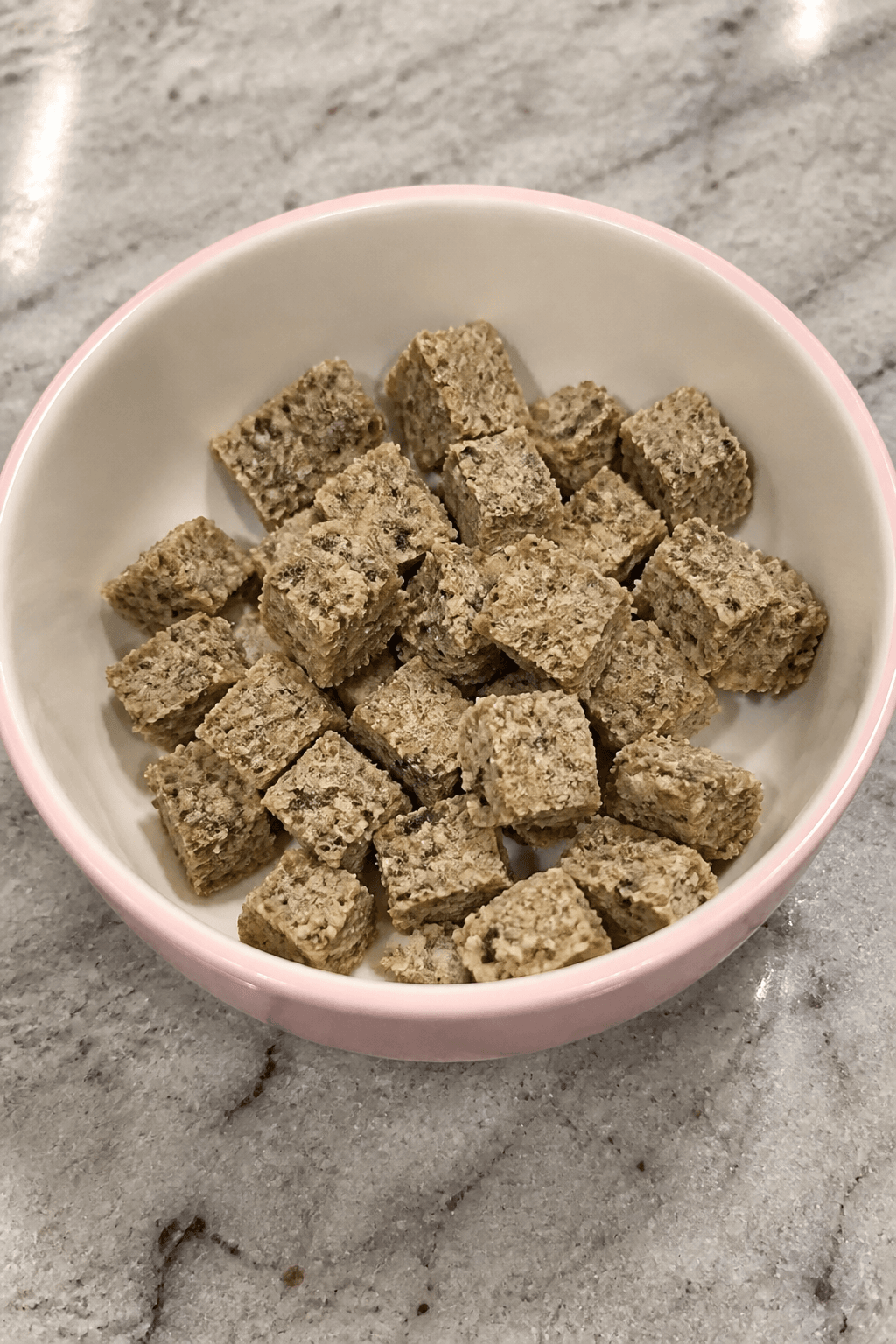
Calories and Nutrition
| Nutrient | Amount Per Treat (approx. 1/2 inch square) |
|---|---|
| Calories | 6 kcal |
| Protein | 0.5g |
| Fat | 0.2g |
| Carbohydrates | 0.6g |
| Fiber | 0.1g |
Serving Guidance for Cats:
For an average adult cat weighing 10 pounds, limit treat intake to 2 to 3 treats per day.
These treats should supplement a balanced feline diet and should never make up more than 10 percent of your cat’s daily caloric intake. Always provide fresh water alongside any dry snack.
Storage Tips
Storing these DIY Sardine Catnip Protein Treats correctly ensures they stay fresh and safe for your cat to enjoy.
Since these treats contain real fish and no chemical preservatives, they will spoil much faster than the bags you buy at the grocery store.
- Refrigeration: Keep the treats in an airtight container in the fridge for up to one week. The cold temperature helps maintain the integrity of the fish oils.
- Freezing: For longer storage, place the treats in a freezer-safe bag. They stay fresh in the freezer for up to three months. You can serve them frozen for a crunchy texture or thaw them for a few minutes at room temperature.
- Avoid Moisture: Always ensure the treats have cooled completely before putting them in a container. If you trap steam inside the jar, the treats will get soggy and grow mold within days.
- Portioning: Consider keeping a small “working jar” in the fridge and storing the rest in the freezer to maximize freshness.
Feeding Suggestions
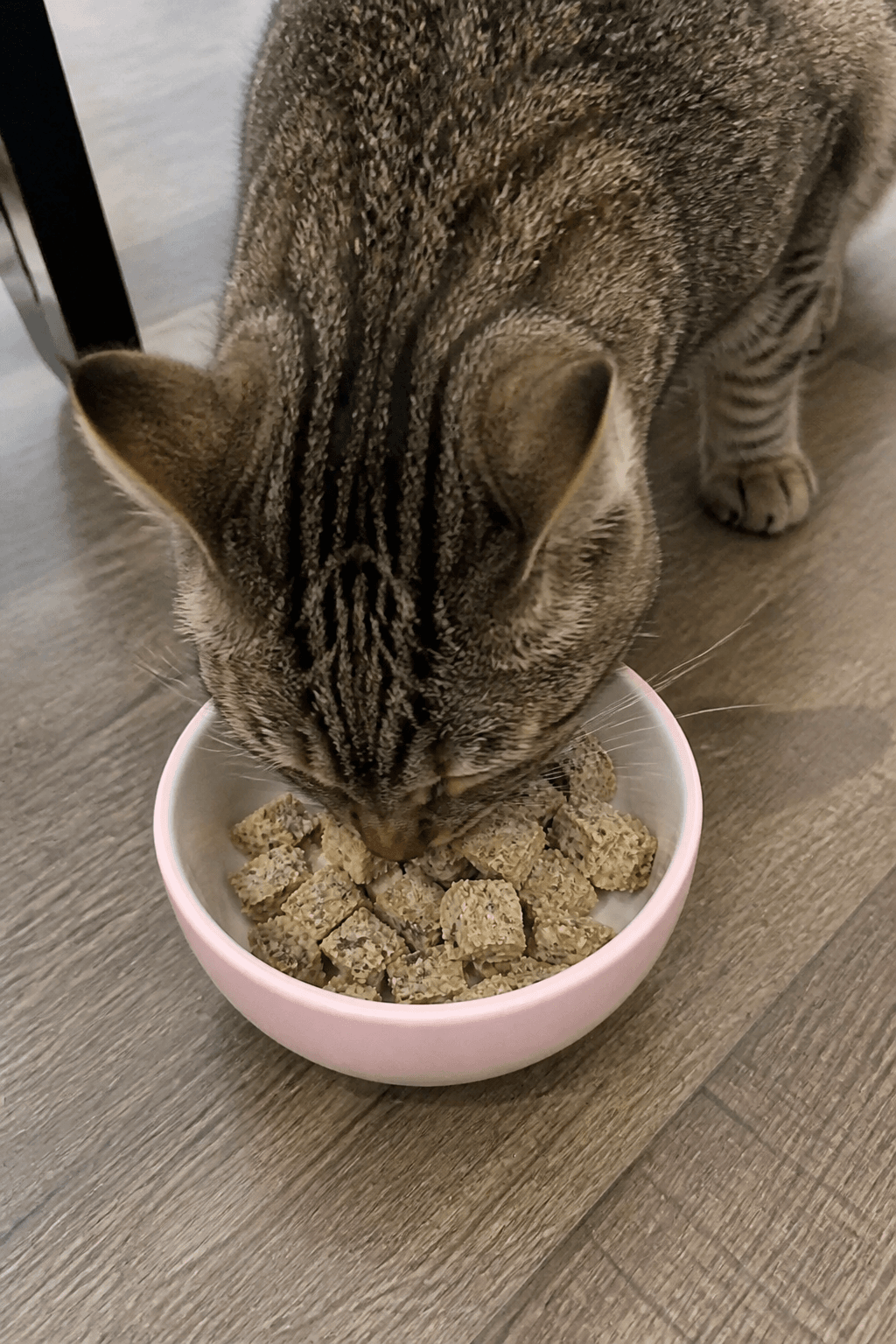
Every cat has a unique personality when it comes to snack time. While some will dive headfirst into a bowl of these treats, others might need a little encouragement to try something new.
- The Food Topper Method: If your cat is a picky eater, try crumbling one of these treats over their regular wet or dry food. The strong scent of the sardines usually acts as an immediate appetite stimulant.
- Training Rewards: Use these treats to teach your cat basic tricks like “sit” or “high five.” The high protein content and catnip scent make them a high-value reward that cats will actually work for.
- Interactive Play: Hide a few treats inside a puzzle toy or a clean egg carton. This encourages your cat to use their natural hunting instincts to “capture” their snack.
- Bedtime Routine: Give your cat a treat right before you head to bed. This can help establish a routine and might even prevent those 3:00 AM zoomies by giving them a small, satisfying snack to digest overnight.
Nutritional Benefits
These DIY Sardine Catnip Protein Treats are more than just a tasty snack. They provide specific nutrients that support your cat’s overall health and well-being. IMO, sardines are one of the best “superfoods” you can offer a feline.
- Omega-3 Fatty Acids: Sardines are packed with EPA and DHA. These essential fatty acids support a shiny coat, healthy skin, and reduced inflammation in the joints.
- High-Quality Protein: Cats are obligate carnivores, meaning they require animal protein to thrive. These treats provide a concentrated punch of protein from both the sardines and the egg.
- Taurine: This essential amino acid is critical for heart health and vision in cats. Sardines naturally contain taurine, making them a biologically appropriate choice.
- Calcium and Phosphorus: Because sardines are often canned with their tiny, soft bones, they provide a natural source of minerals that support strong bone structure.
- Mental Stimulation: The addition of catnip provides a mild euphoric effect for many cats. It can help reduce stress and make snack time a more engaging experience.
Health Considerations and What to Avoid
While these treats are healthy, you must always prioritize safety when cooking for your cat. Cat digestive systems are sensitive, and certain human foods are strictly off-limits.
- Avoid Onions and Garlic: Never add onion or garlic powder to your cat’s treats. These ingredients can cause oxidative damage to a cat’s red blood cells, leading to anemia.
- No Added Salt: Cats have very low tolerances for sodium. Always buy sardines packed in water with no salt added. Excess salt can lead to dehydration or even sodium ion poisoning.
- Say No to Grapes and Raisins: These are highly toxic to cats and can cause sudden kidney failure. Stick to the ingredients listed in the recipe.
- Check for Bones: While the tiny bones in canned sardines are usually soft and safe, always double-check for any unusually large or sharp pieces before mashing them into the dough.
- Watch for Allergies: While oat flour is generally safer than wheat flour for cats, some felines still have grain sensitivities. If your cat experiences itching or upset stomach, consult your vet.
FAQ
Can kittens eat these sardine treats?
Yes, kittens can enjoy these treats once they are fully weaned and eating solid food. However, you should break the treats into even smaller, crumb-sized pieces to prevent any potential choking hazards.
Can I use sardines packed in oil instead of water?
It is best to avoid sardines in oil. The extra fat can lead to stomach upset or contribute to pancreatitis in sensitive cats. Sardines in water are the leanest and safest option for DIY treats.
My cat doesn’t react to catnip, can I leave it out?
Absolutely! About one third of cats do not carry the gene that makes them respond to catnip. You can swap the catnip for dried parsley or simply leave it out entirely without affecting the recipe’s structure.
How do I know if the treats are done baking?
The treats should feel firm and dry to the touch. If they feel soft or “squishy” in the middle, they need a few more minutes in the oven. A crunchier treat lasts longer and helps slightly with dental plaque.