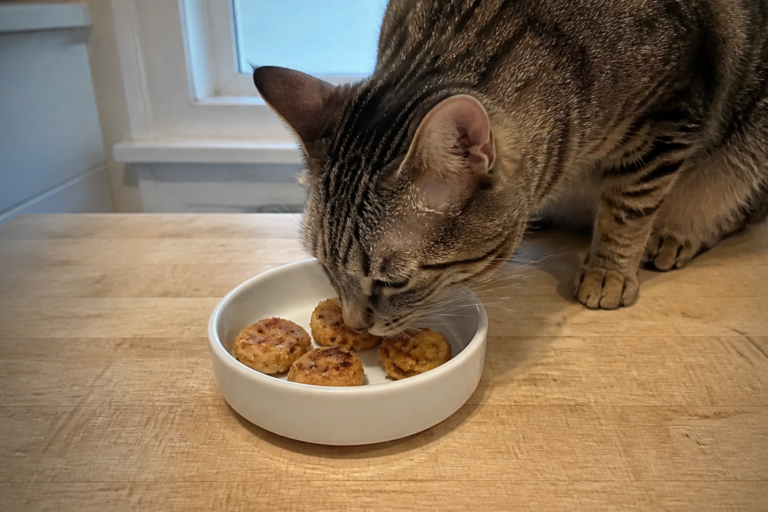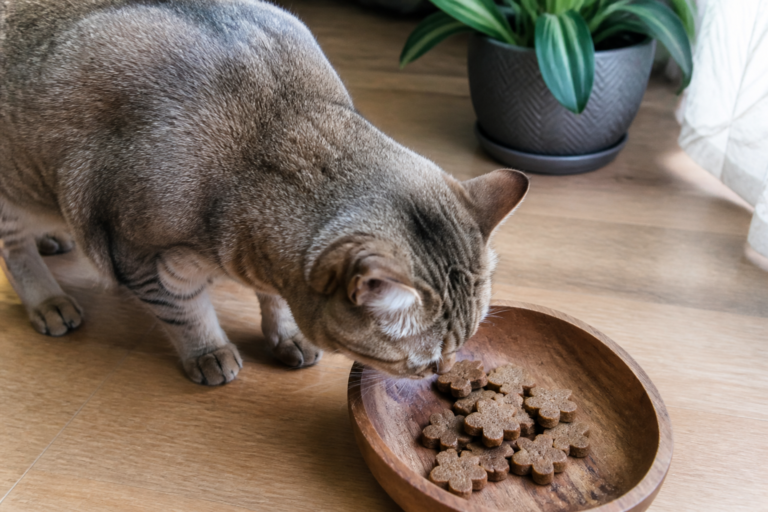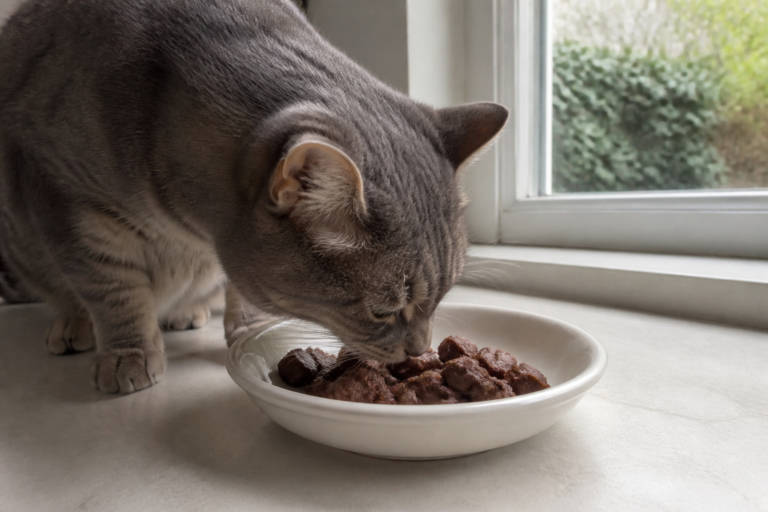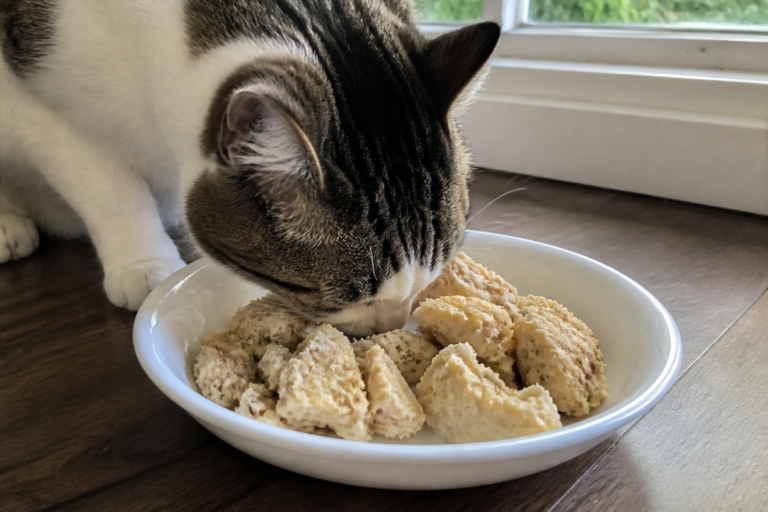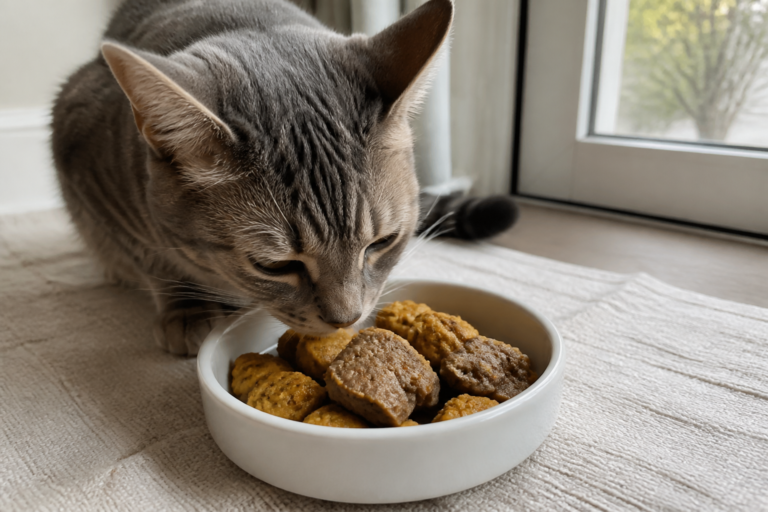
If your cat goes wild for savory bites, these Air Fryer Chicken Liver Cat Treats are a simple homemade option to try. They use a short ingredient list and a quick air fryer method, so you can make cat-friendly treats without a lot of fuss.
These are made for cats, not people, and they work best as a small treat or topper. Because chicken liver has a strong smell and flavor, many cats find it extra appealing.
Just keep portions small and serve them as part of a balanced feeding routine.
What You’ll Need
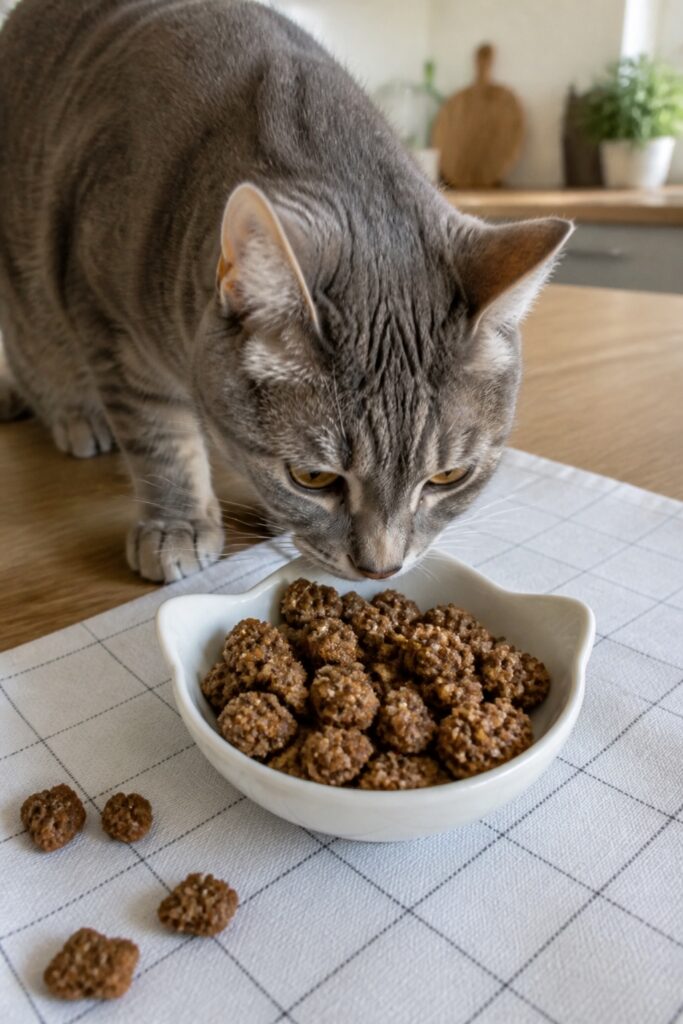
- 8 ounces chicken liver, trimmed and rinsed
- 1 tablespoon pumpkin purée, plain and unsweetened
- 1 tablespoon oat flour, or finely ground oats
- 1 teaspoon water, if needed for mixing
- Nonstick spray or a light brush of cat-safe oil for the air fryer basket, optional
Use plain ingredients only. Skip salt, seasoning, butter, onion, garlic, and any flavored coating.
Instructions
- Prep the liver. Rinse the chicken liver under cool water and pat it dry with paper towels. Trim away any tough connective bits or visible fat if needed.
- Cut into bite-size pieces. Slice the liver into small, even pieces about the size of a pea or a little larger.
Smaller pieces cook more evenly and are easier for cats to eat.
- Mix the coating. In a bowl, stir the liver pieces with the pumpkin purée and oat flour. Add just a teaspoon of water only if the mixture looks too dry to lightly coat.
- Preheat the air fryer. Set the air fryer to 350°F and let it warm up for a few minutes. A preheated basket helps the treats cook more evenly.
- Arrange in a single layer. Place the liver pieces in the air fryer basket in one layer.
Do not crowd them, or they may steam instead of crisping up.
- Air fry until cooked through. Cook for about 6 to 8 minutes, shaking the basket halfway through. The pieces should look firm and fully cooked, with no pink center.
- Cool completely. Let the treats cool on a plate or rack before serving. Warm liver can smell tempting, but it should cool all the way down before your cat gets any.
- Serve a small amount. Offer one or two tiny pieces at first.
Use the treats as an occasional snack, training reward, or food topper.
Keeping It Fresh
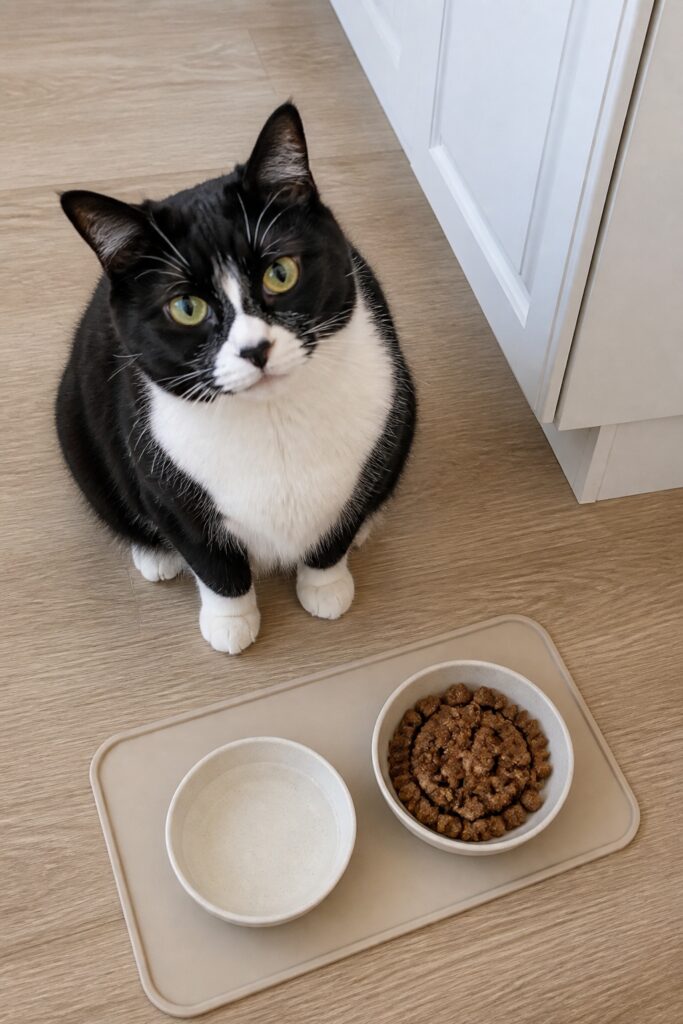
Store cooled treats in an airtight container in the refrigerator. They usually keep well for 3 to 4 days when chilled properly.
For longer storage, freeze the treats in a single layer first, then move them to a freezer bag or container. They can stay frozen for about 2 months.
Portion the treats into small daily snack bags if that helps you stay organized.
That makes it easier to grab just a few pieces at a time instead of handing out too many.
Why This is Good for You
Chicken liver offers a strong, meaty flavor that many cats enjoy. It also gives this recipe a satisfying protein base, which fits a cat-focused treat better than starchy snacks.
The pumpkin and oat flour help bind the mixture and add a little texture. That makes the treats easier to handle while still keeping the ingredient list short and simple.
Homemade treats also help you control what goes into your cat’s food.
You can avoid unnecessary salt, fillers, and mystery ingredients, which makes it easier to keep snacks consistent.
These treats work best when you think of them as a small extra, not a full meal. A balanced cat diet should still come from your cat’s regular complete food, with treats kept in moderation.
Pitfalls to Watch Out For
- Do not add seasoning. Cats do not need salt, pepper, onion powder, garlic powder, or herb blends.
- Do not undercook the liver. Chicken liver should be fully cooked through before serving.
- Do not make the pieces too large. Big chunks can be hard to chew and may be too rich for some cats.
- Do not overfeed. Liver is flavorful, so a little goes a long way.
- Do not use sweeteners or sauces. Avoid honey, syrup, xylitol, barbecue sauce, or any human-style glaze.
- Do not rely on treats as a meal replacement. Treats should stay in the snack zone, not take over your cat’s regular diet.
If your cat has a sensitive stomach, start with just a tiny taste. Some cats love liver right away, while others do better with very small portions at first.
Alternatives
If you want a change from chicken liver, you can try chicken breast or turkey liver in the same general method.
Just keep the same simple, unseasoned approach.
For a softer texture, skip the oat flour and use a little extra pumpkin purée to help hold the pieces together. For a firmer texture, add a touch more oat flour and cook a minute or two longer.
You can also make the treats into tiny patties instead of bite-size chunks. That can work well if your cat prefers softer pieces or if you want to break them into smaller rewards.
If you want to keep the recipe even simpler, use plain chicken liver with no coating at all.
Some cats like the stronger smell and taste, and that version still works well in the air fryer.
FAQ
How many Air Fryer Chicken Liver Cat Treats can I give my cat?
Start with one or two small pieces and see how your cat responds. Treats should stay as a small part of the day’s food, not a major snack session.
Can I store these at room temperature?
No, it is better to keep them in the fridge or freezer. Because they contain cooked liver, they should not sit out for long once cooled.
Can I use chicken liver straight from the package?
Yes, as long as you rinse it, pat it dry, and cook it fully.
Always check that the pieces are cooked through before you serve them to your cat.
Is pumpkin safe for cats in this recipe?
Plain pumpkin purée is a common cat-safe ingredient in small amounts. Use only plain pumpkin with no spices, sugar, or pie filling mix.
What if my cat does not like oat flour?
You can leave it out or use a tiny amount of another cat-safe binder, like finely ground plain cooked oats. Many cats will also do fine with a liver-only version.
Can I make these treats softer?
Yes.
Cook them for a slightly shorter time and keep the pieces a bit thicker. Just make sure they are still fully cooked before serving.
Are these treats okay for kittens?
Very small amounts may work as an occasional treat, but kittens need careful portion control. Keep the pieces tiny and ask your vet if you are unsure about your kitten’s diet.