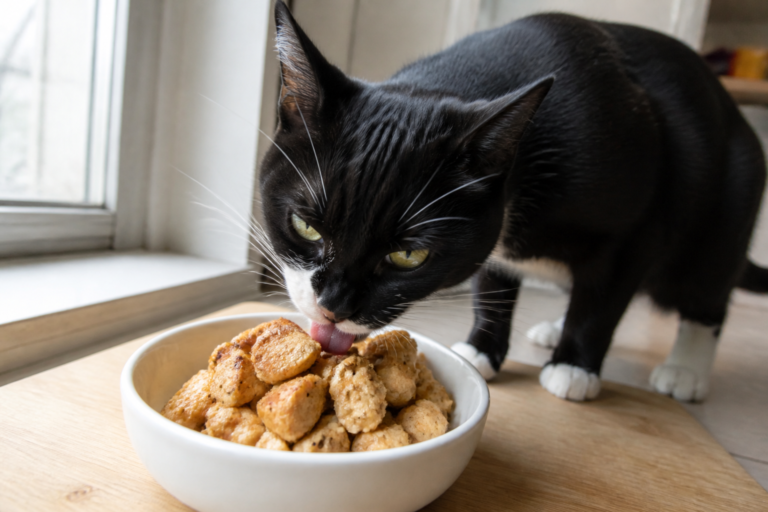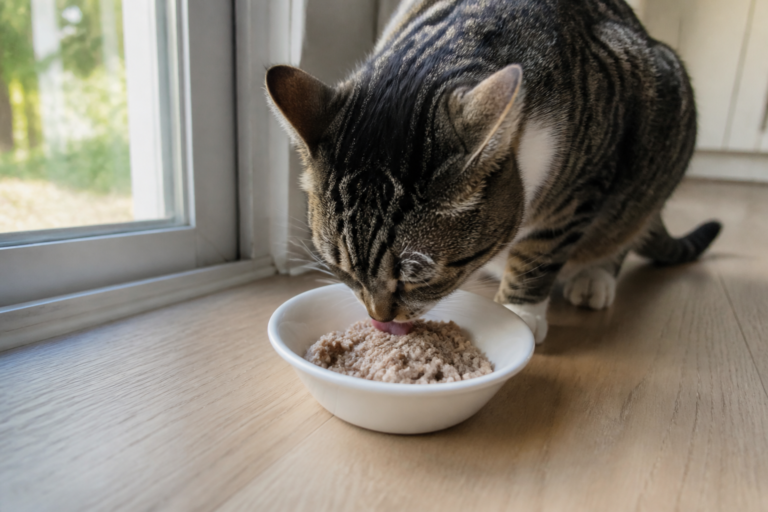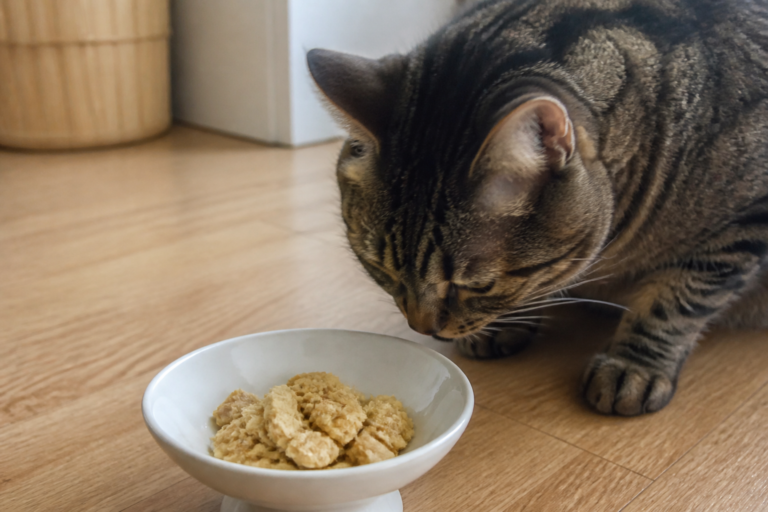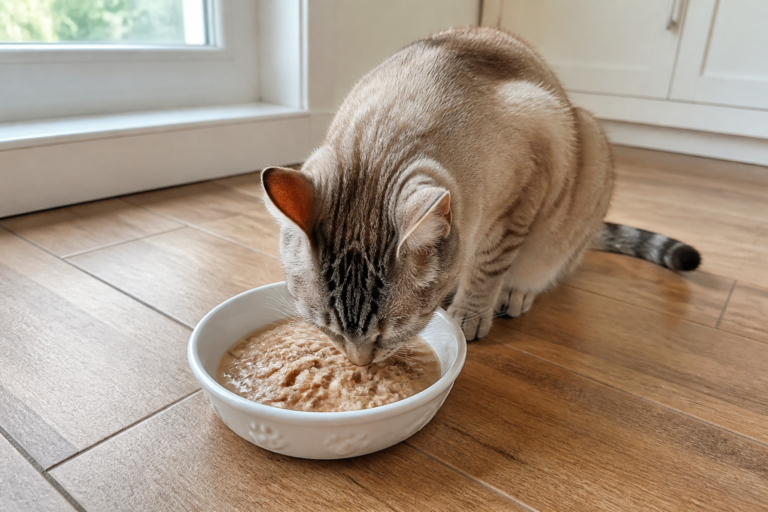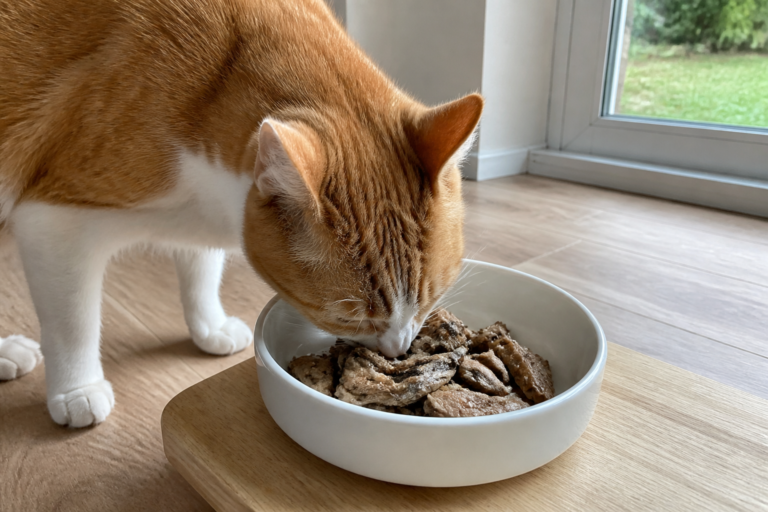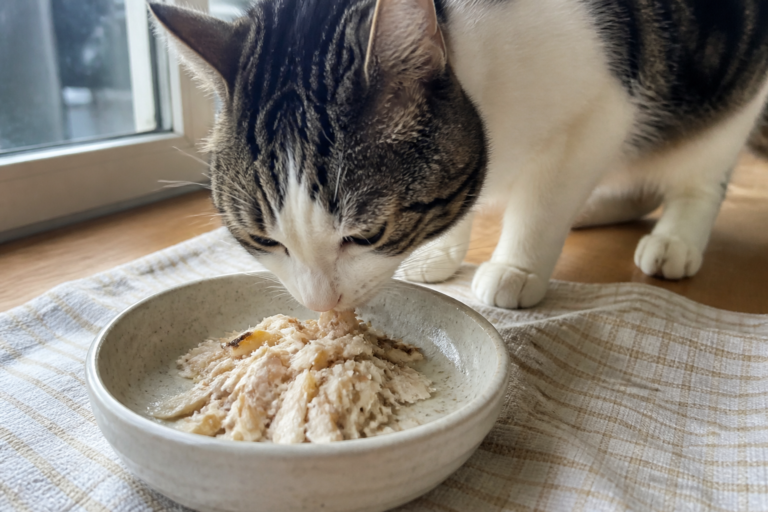
If your cat loves cool, creamy snacks, these Frozen Tuna Cottage Cheese Cat Treats are a simple homemade option to try.
The texture is soft enough for many cats to enjoy, and the frozen finish makes them especially fun on warm days.
Best of all, you can make a batch ahead of time and keep a few ready in the freezer.
Ingredients
- 1 can tuna in water, about 5 ounces, drained well
- 2 tablespoons plain cottage cheese, low-sodium if possible
- 1 to 2 tablespoons water, as needed for blending
- Optional: 1 teaspoon plain pumpkin puree, for a softer texture
Choose tuna packed in water, not oil, and skip any flavored varieties.
Use plain cottage cheese only, with no added onion, garlic, herbs, or seasoning.
Instructions
- Drain the tuna well. Press out extra liquid so the mixture does not turn watery.
- Add the tuna and cottage cheese to a bowl or blender. If you want a smoother treat, a small food processor works well.
- Blend or mash until combined. Add 1 to 2 tablespoons of water if you need a softer, spoonable texture.
- Stir in pumpkin puree if using. This can help create a gentler texture for some cats.
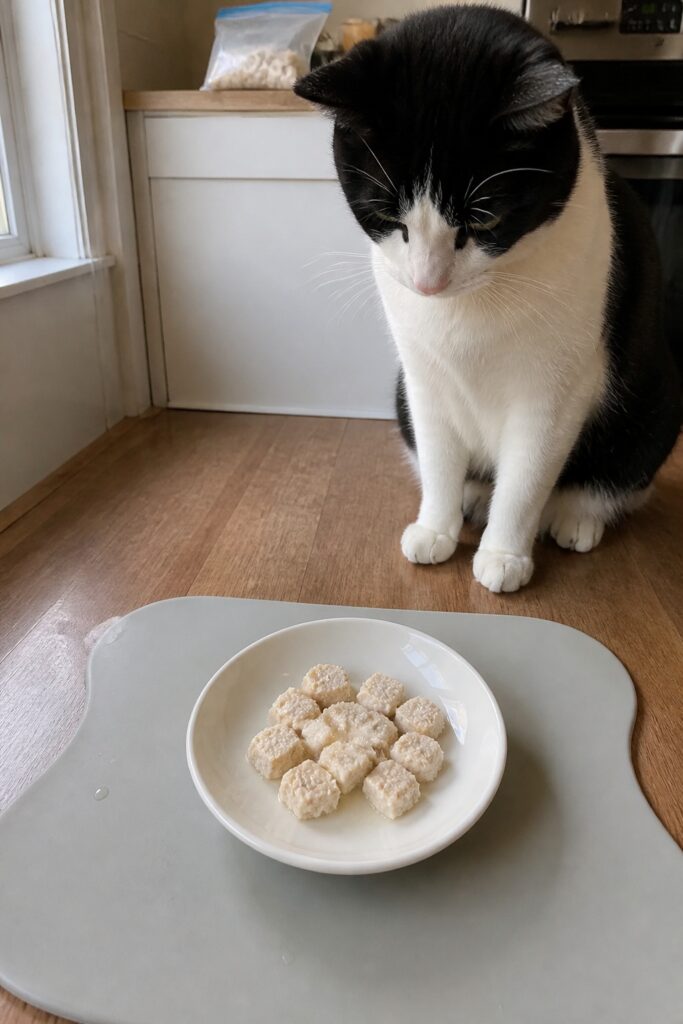
- Spoon the mixture into small silicone molds or an ice cube tray. Small portions are best for cat treats.
- Freeze until solid. This usually takes about 2 to 3 hours, depending on the size of the molds.
- Pop out a treat and serve one piece at a time. Let it soften slightly for a minute or two before giving it to your cat.
If your cat prefers a softer bite, you can thaw a piece just enough to take the chill off. Always supervise the first serving so you can see how your cat handles the texture.
Storage Instructions
Store the frozen treats in an airtight container or freezer bag. They keep best in the freezer for up to 2 weeks, though the texture is freshest in the first several days.
If you want to keep them in the fridge, only do so for a short time.
A thawed treat should be used within 24 hours, and it should not sit out at room temperature for long.
For easy portioning, freeze the mixture in small amounts rather than one large tray. That way, you can pull out just one treat at a time and avoid overfeeding.
Health Benefits
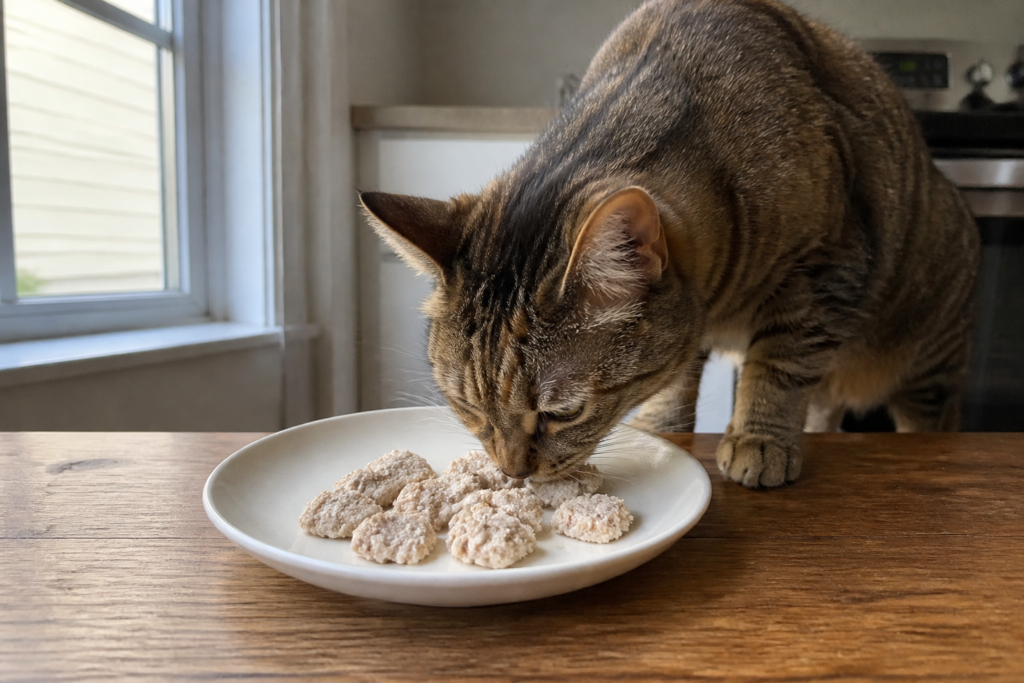
This recipe offers a simple mix of protein and moisture, which many cats find appealing. Tuna gives the treat a strong smell and flavor, while cottage cheese adds a creamy texture that some cats enjoy in small amounts.
Protein supports a cat’s normal daily needs, especially when you use the treat as a small supplement to a balanced diet.
The cool frozen texture can also make snack time more interesting without adding heavy ingredients.
Because this recipe is short and simple, it can be easier for cat owners to control what goes into the food. That makes it a practical choice when you want a homemade snack with fewer extras.
Keep in mind that treats should stay small. Even cat-friendly foods can throw off balanced meal planning if you offer too much at once.
Common Mistakes to Avoid
- Using tuna in oil or seasoned tuna. Added oils and flavorings can make the treat too rich or unsafe for cats.
- Adding salt or spices. Cats do not need seasoning, and extra salt can make the treat less suitable.
- Using flavored cottage cheese. Some varieties contain onion, garlic, herbs, or other ingredients cats should not eat.
- Making the portions too large. Frozen treats should stay tiny so they work as snacks, not meal replacements.
- Serving too often. Even a cat-friendly recipe should fit into your cat’s regular diet without crowding out balanced food.
- Skipping the drain step. Too much liquid can make the mixture messy and harder to freeze into neat portions.
Also avoid pushing your cat to eat a new treat quickly.
Give a small amount first and watch for signs that the texture or dairy content does not agree with them.
Recipe Variations
You can adjust this recipe a few different ways while still keeping it cat-friendly. The goal is to stay simple, plain, and easy to portion.
- Salmon swap: Replace tuna with plain cooked salmon, flaked finely and fully cooled.
- Chicken version: Use plain cooked chicken breast instead of fish for a milder flavor.
- Smoother texture: Add a little more water and blend longer for a soft puree-style treat.
- Chunkier texture: Mash lightly with a fork instead of blending if your cat likes small bits.
- Pumpkin boost: Add a small spoonful of plain pumpkin puree for a different texture and flavor.
If your cat does not tolerate dairy well, skip the cottage cheese and use plain tuna with a little water instead. You can also freeze the tuna mixture into tiny bites and serve them as a simple fish-only treat.
FAQs
Can cats eat frozen tuna cottage cheese treats every day?
They are best as an occasional treat, not a daily staple.
Cats need a complete and balanced main diet, so keep extras small and limited.
How much should I serve my cat?
Start with one small piece and see how your cat does. For most cats, one to two tiny treats at a time is plenty, depending on size and overall diet.
Is cottage cheese safe for all cats?
Not always. Some cats handle small amounts of dairy fine, while others get an upset stomach, so begin with a tiny portion and watch closely.
Can I use tuna from a can that has salt added?
It is better to choose low-sodium or no-salt-added tuna when possible.
Too much salt is not a good fit for cat treats.
How long do these treats last in the freezer?
They stay in good shape for about 2 weeks in an airtight container. For the best texture and smell, use them sooner rather than later.
Can I make this recipe without a blender?
Yes. You can mash the tuna very well with a fork and stir in the cottage cheese until combined. The texture will be more rustic, but many cats like that.
What if my cat does not like fish?
Try a plain chicken version instead. Some cats prefer mild poultry over fish, and the recipe works well with either.