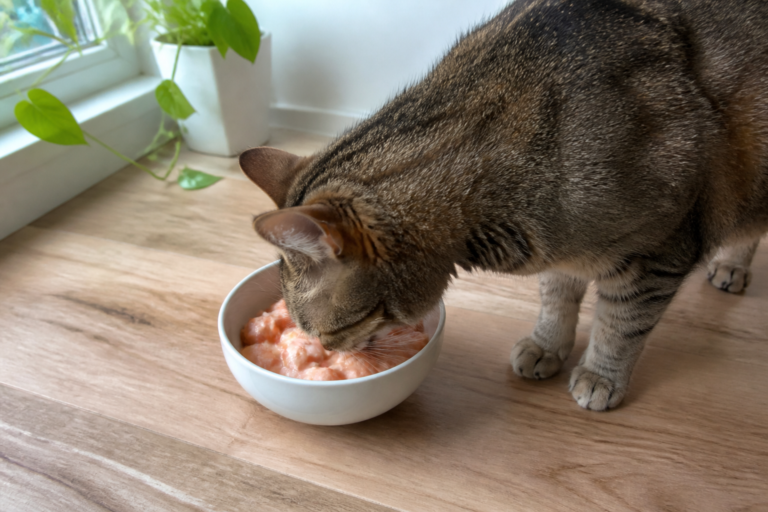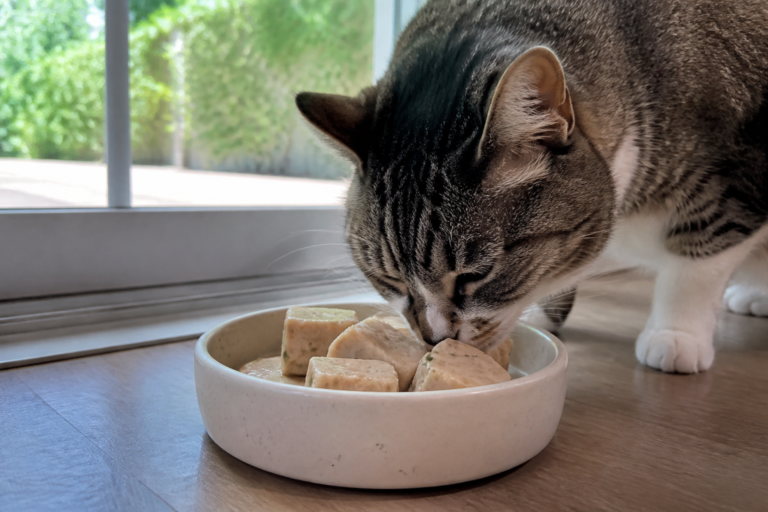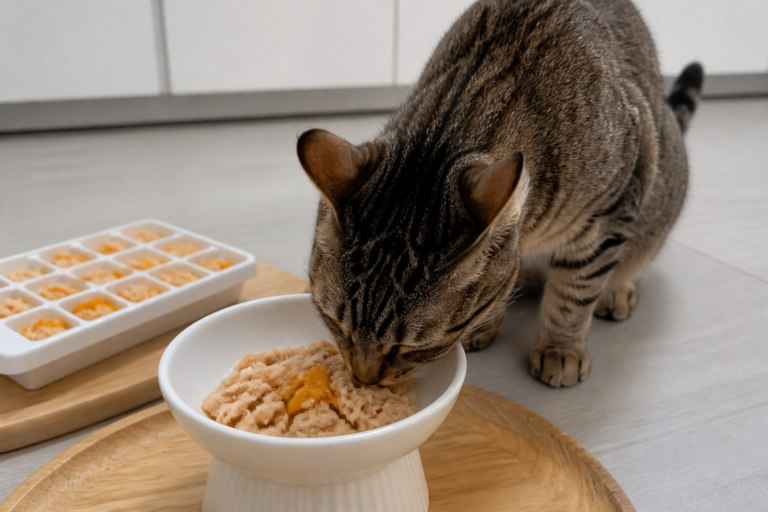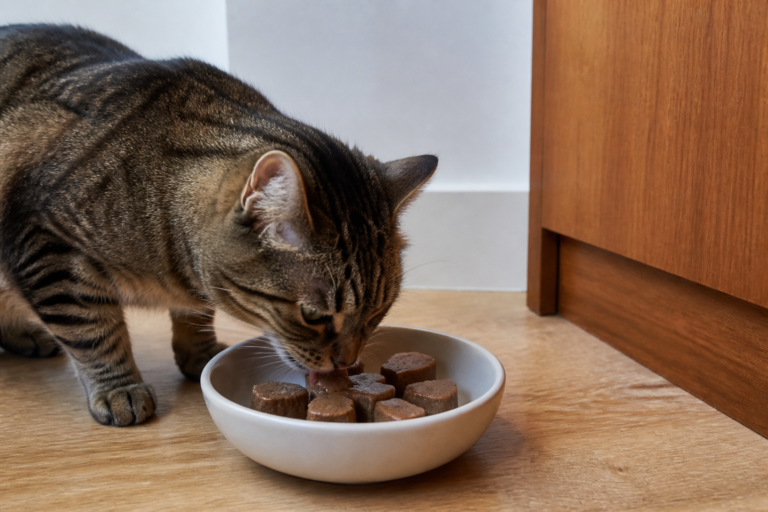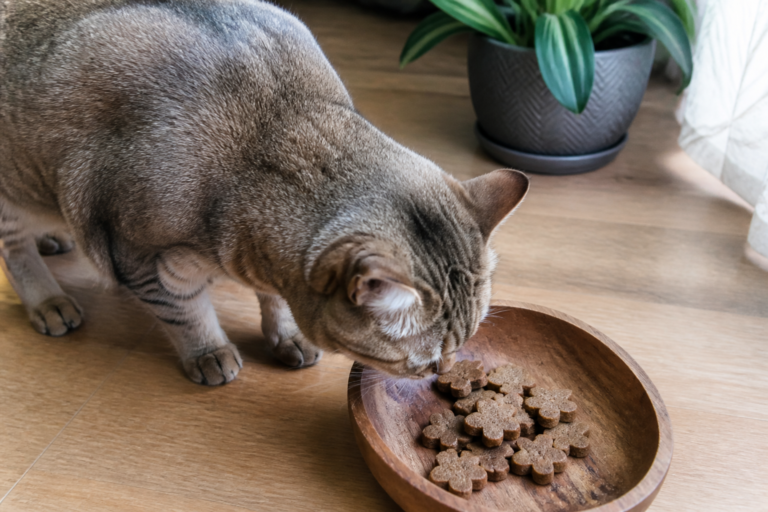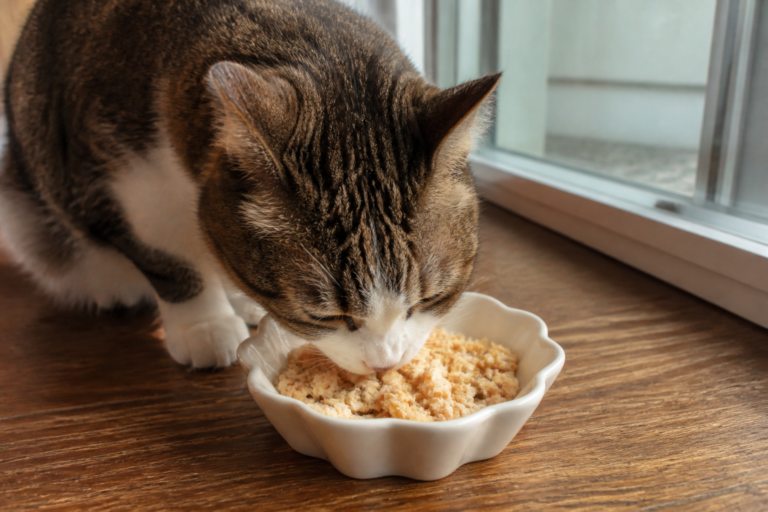
Your cat probably thinks they own the kitchen anyway, so why not give them a reason to linger by the oven?
These Tuna Oat Crunch Cat Cookies are about to become your feline’s new obsession.
You can skip the expensive store-bought bags filled with mysterious fillers and whip these up in under thirty minutes.
Ingredients
- 1 can (5 oz) tuna in water (ensure it has no added salt)
- 1 cup oat flour (you can pulse rolled oats in a blender until fine)
- 1 large egg
- 1 tablespoon extra virgin olive oil
- 1 teaspoon dried catnip (optional, but highly recommended for the “party” factor)
- 1 to 2 tablespoons water (only if the dough feels too crumbly)
Instructions
- Preheat your oven to 350°F (175°C) and line a large baking sheet with parchment paper or a silicone baking mat.
- Open the tuna can and drain the water thoroughly, though you can save a teaspoon of the “tuna juice” to add extra flavor to the dough.
- Place the drained tuna in a medium mixing bowl and use a fork to mash it into very small, fine flakes.
- Add the egg and olive oil to the tuna, whisking them together until the mixture looks relatively smooth.
- Fold in the oat flour and the dried catnip, stirring until a thick, slightly tacky dough forms.
- Check the consistency of your dough; if it feels too dry to hold a shape, add a tiny splash of water or the reserved tuna juice.
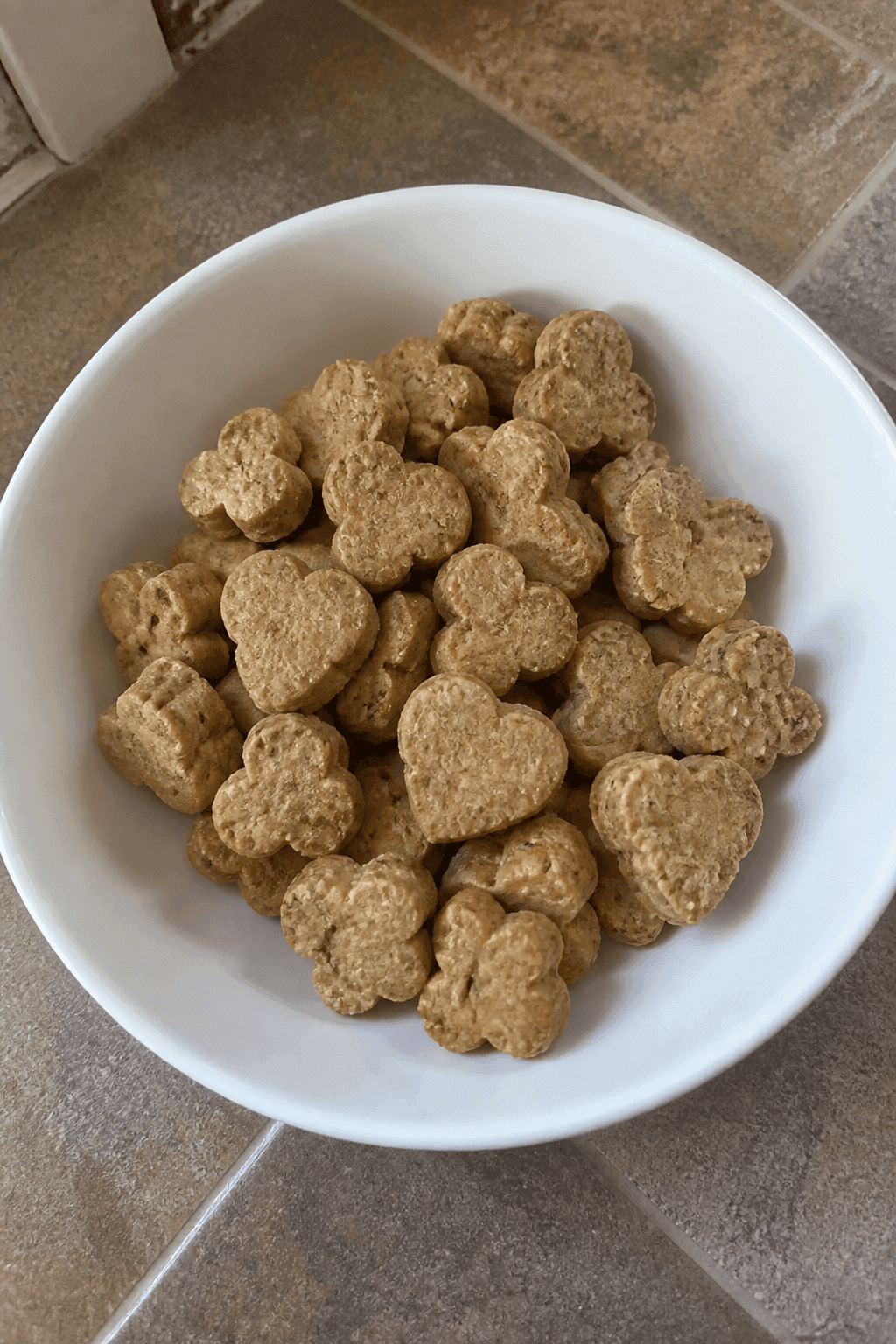
- Pinch off small pieces of dough, roughly the size of a blueberry, and roll them into tiny balls.
- Place the balls on your prepared baking sheet and press down on each one with your thumb or a fork to create a small, flat disc.
- Bake the cookies for 10 to 12 minutes until the edges look golden brown and the treats feel firm to the touch.
- Turn off the oven and let the cookies sit inside for another 5 minutes with the door cracked to help them get that signature “crunch” cats love.
- Remove the tray from the oven and allow the cookies to cool completely on a wire rack before serving them to your cat.
Calories and Nutrition
| Nutrient | Amount Per Treat (Approx. 2g) |
|---|---|
| Calories | 7 kcal |
| Crude Protein | 0.6g |
| Crude Fat | 0.3g |
| Crude Fiber | 0.1g |
| Moisture | 10% |
Serving Guidance for Cats: These treats should only make up about 10% of your cat’s daily caloric intake.
For an average 10-pound adult cat, 2 to 3 cookies per day is a safe and healthy limit. Always monitor your cat when introducing a new treat to ensure they digest it well.
Storage Tips
Homemade treats do not contain the heavy preservatives found in commercial bags, so you need to store them properly to keep them fresh.
Once the Tuna Oat Crunch Cat Cookies reach room temperature, transfer them into an airtight glass jar or a zip-top bag.
You can keep them on the counter for about 2 to 3 days, but they will stay fresh much longer in the refrigerator.
If you put them in the fridge, they should last for up to 10 days. For those who like to “meal prep” for their pets, these cookies freeze beautifully.
Simply pop them into a freezer-safe container, and they will stay good for up to 3 months.
When you are ready to serve a frozen treat, let it thaw on the counter for a few minutes so your cat doesn’t hurt their teeth on a frozen puck.
Feeding Suggestions
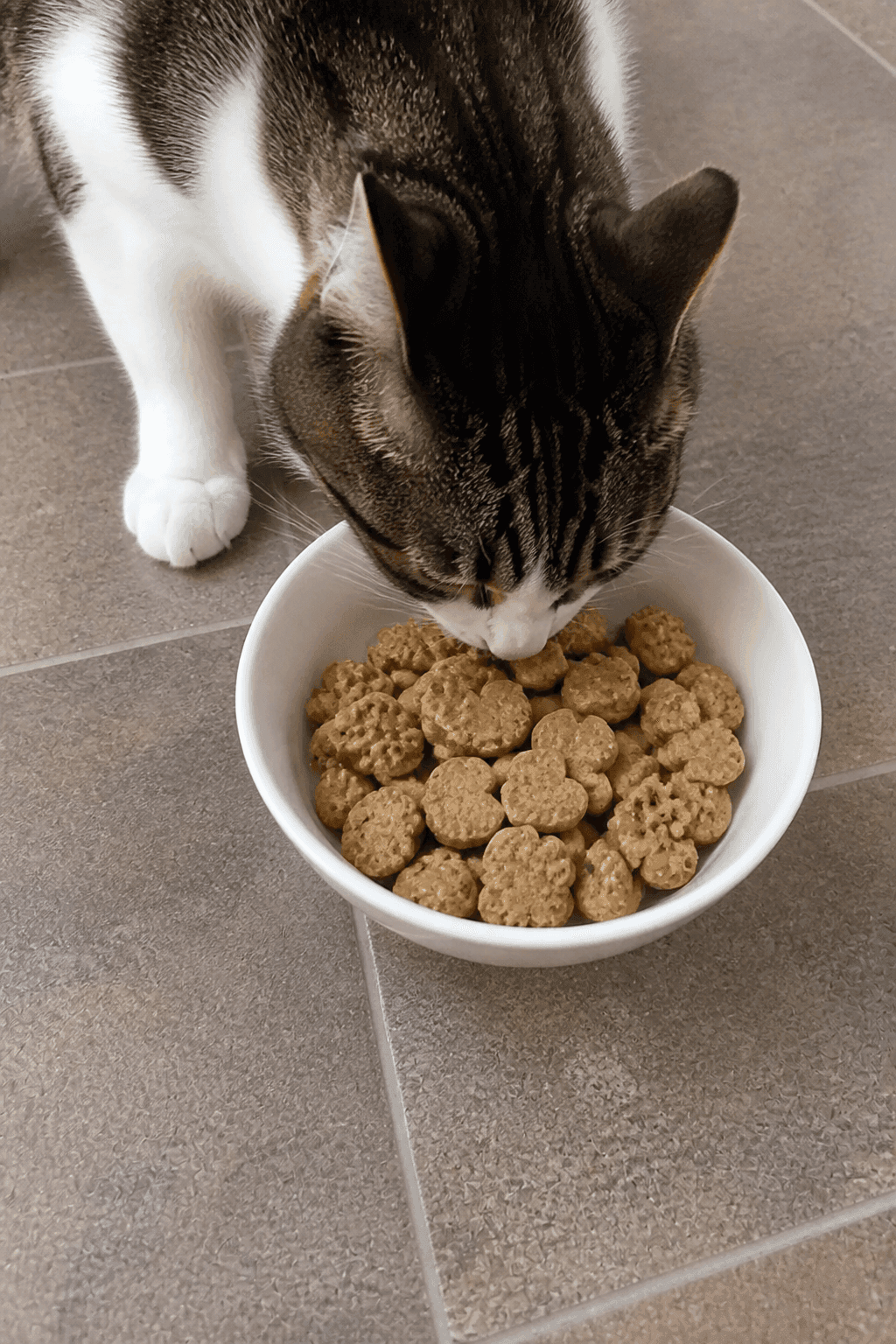
Every cat has their own unique “vibe” when it comes to snack time.
Some cats will come running the second they hear a jar open, while others act like they are doing you a favor by tasting your hard work.
IMO, the best way to serve these is as a reward for positive behavior, like after a grooming session or a vigorous play period with a feather wand.
If your cat is a bit older and has dental issues, you might want to bake these for a minute or two less so they stay slightly soft.
For the young, energetic hunters, you can hide these cookies around the house to encourage “foraging” behavior. It keeps their minds sharp and their bellies happy.
You can even crumble a cookie over their regular wet food if they are going through a picky phase and need a little extra motivation to finish their dinner.
Nutritional Benefits
Tuna is an incredible source of high-quality protein and Omega-3 fatty acids, which support a shiny coat and healthy skin.
While cats are obligate carnivores, a small amount of oats provides gentle fiber that can help with digestion.
Oats are generally much easier on a cat’s stomach than wheat or corn, making them a superior choice for homemade biscuits.
The addition of an egg provides essential amino acids and helps bind the recipe together without the need for heavy starches.
Olive oil contributes healthy fats that support brain function and joint health. Plus, if you choose to add catnip, you are providing a bit of sensory enrichment that makes treat time feel like a special occasion.
Using species-appropriate ingredients ensures your cat gets a nutritional boost rather than just empty calories.
Health Considerations and What to Avoid
While tuna is a feline favorite, it should never be the only thing your cat eats. Tuna lacks taurine, a critical amino acid cats need for heart and eye health, which is why these are treats and not a meal replacement. Always choose tuna packed in water rather than oil to avoid unnecessary fats and potential stomach upset.
Avoid these ingredients at all costs when baking for cats:
* Onions, Garlic, and Chives: These can cause oxidative damage to a cat’s red blood cells, leading to anemia.
* Grapes and Raisins: These are toxic to feline kidneys and should never be used in any pet recipe.
* Chocolate and Caffeine: Both contain methylxanthines which are highly dangerous for cats.
* Xylitol: This artificial sweetener is often found in nut butters or “diet” products and is lethal to pets.
* Excessive Salt: Too much sodium can lead to salt poisoning, so always check your tuna labels for “no salt added” options.