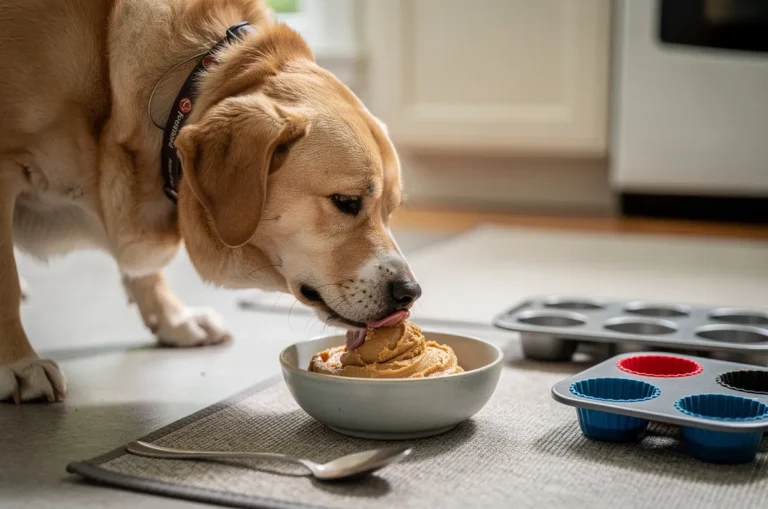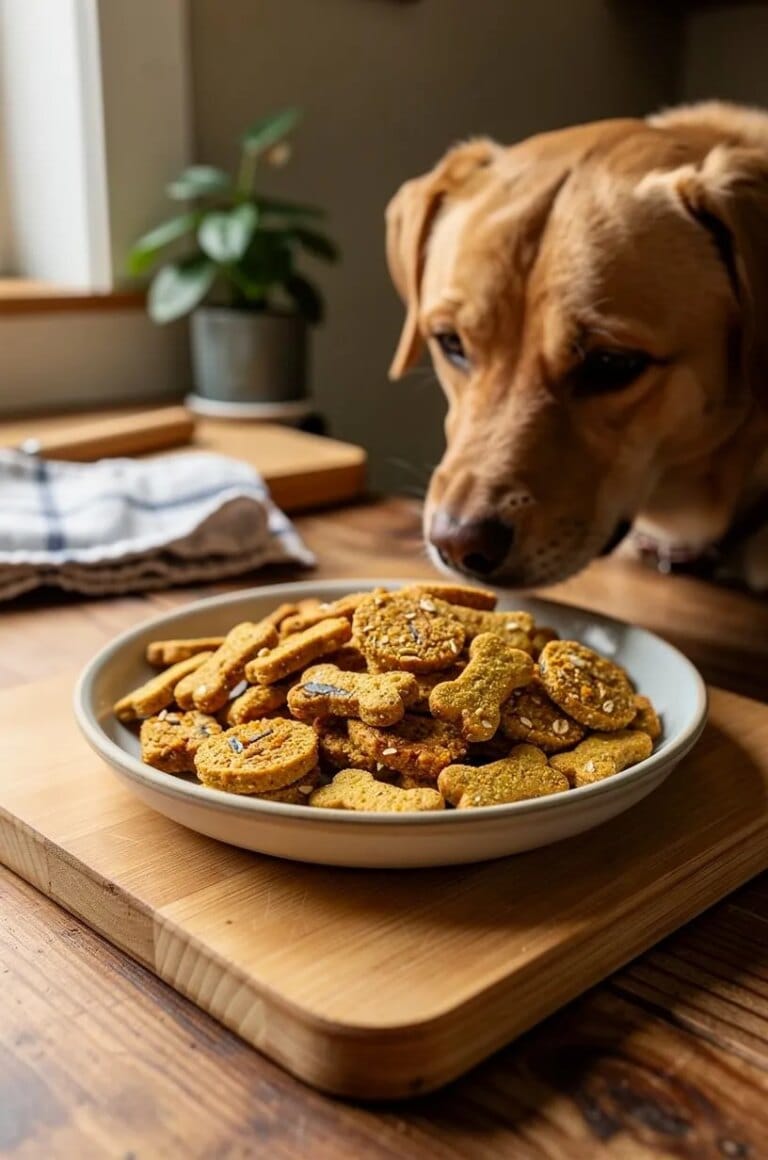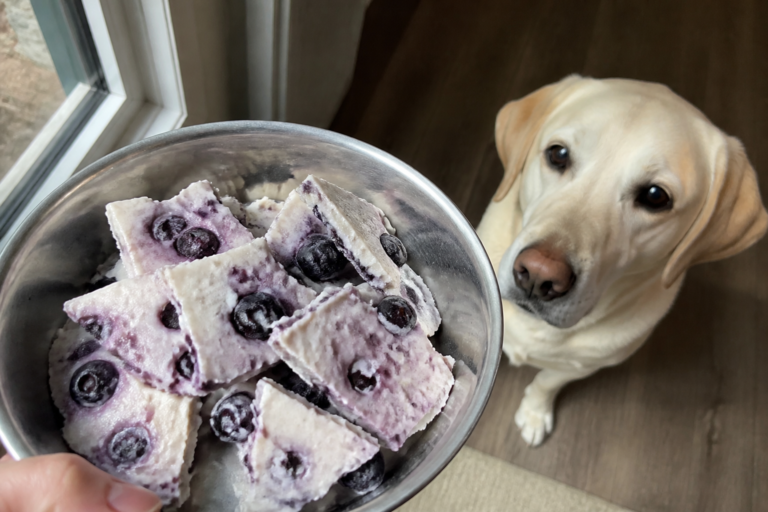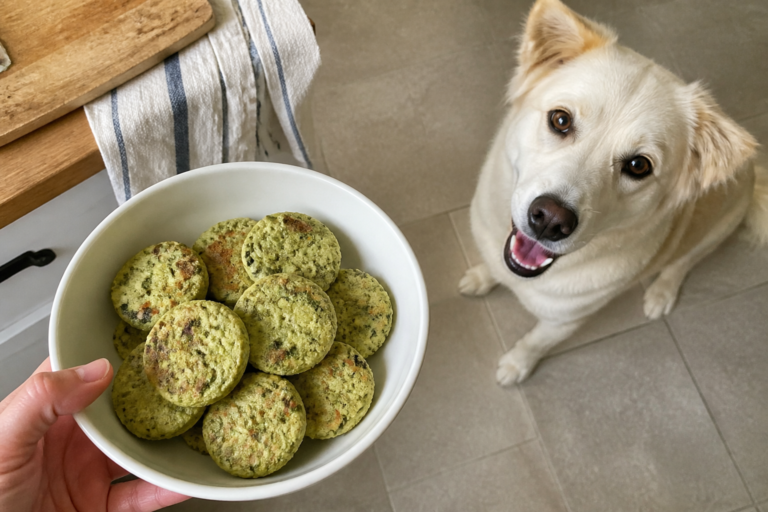
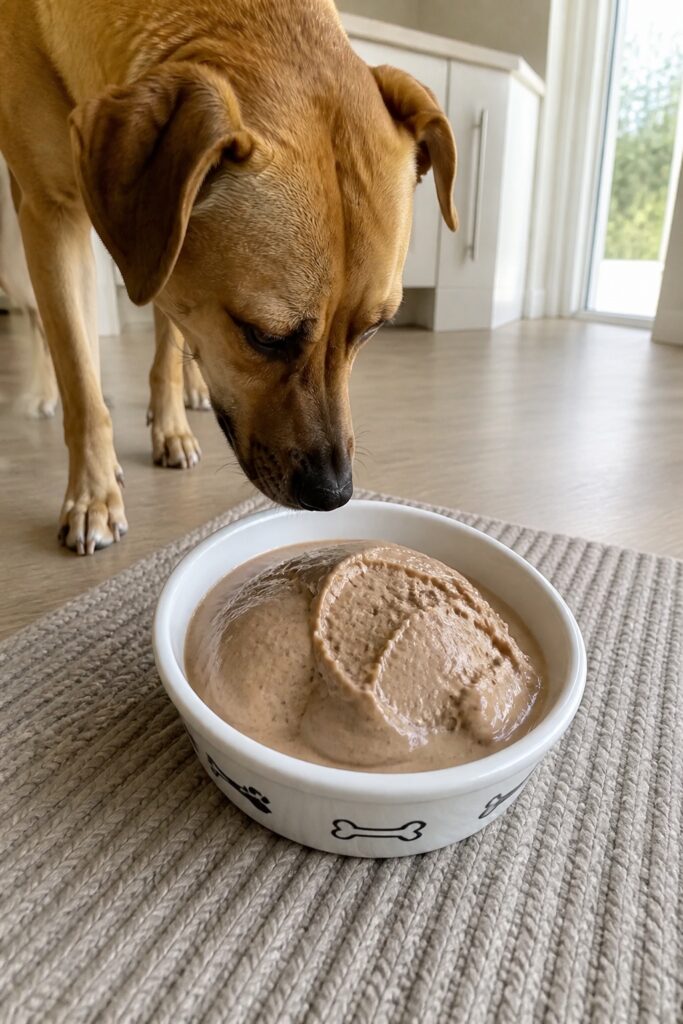
If you want a fun frozen treat for your pup, this Coconut Carob Dog Ice Cream is a simple homemade option that feels special without using anything risky. It is made with dog-friendly ingredients and is designed as an occasional treat, not a full meal. Dogs love cold snacks, especially on warm days, and this recipe keeps things easy for pet owners too.
You only need a few ingredients, a blender, and a freezer.
This recipe uses coconut and carob for a creamy, lightly sweet treat that dogs can enjoy in small portions. It is meant for dogs only, so it skips sugar, chocolate, and other ingredients that are not safe for pets. If your dog is new to dairy or rich foods, start with a tiny amount and see how they do.
What You’ll Need
Here are the ingredients for one small batch of dog-friendly ice cream:
- 1 ripe banana, sliced
- 1 cup plain unsweetened yogurt, preferably low-fat and xylitol-free
- 1/2 cup unsweetened coconut milk
- 2 tablespoons unsweetened shredded coconut
- 1 teaspoon carob powder
- 1 tablespoon water, if needed for blending
If you want to make serving easier, you can also use small silicone molds, an ice cube tray, or a shallow freezer-safe container.
How to Make It
- Prep the ingredients. Slice the banana and gather everything before you start.
This makes blending quick and smooth.
- Add everything to a blender. Put the banana, yogurt, coconut milk, shredded coconut, and carob powder into the blender. Blend until the mixture looks creamy and even.
- Adjust the texture. If the mix feels too thick, add 1 tablespoon of water and blend again. You want a texture that pours easily but is still rich.
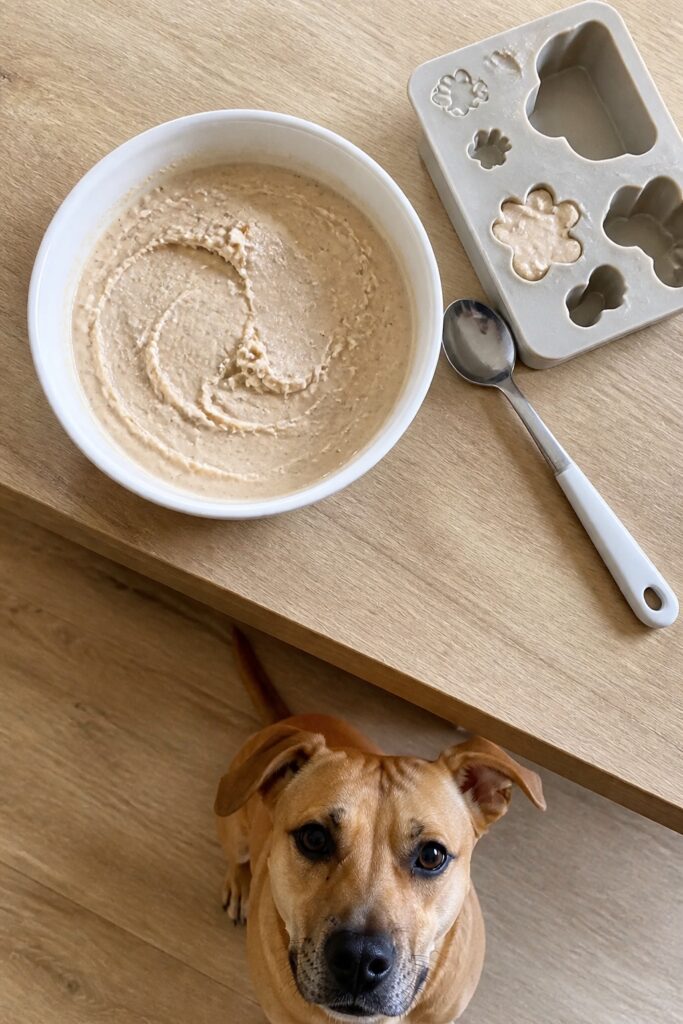
- Pour into molds or a container. Spoon the mixture into silicone molds, muffin cups, or a shallow dish.
Small portions work best for dogs.
- Freeze until firm. Place the molds or container in the freezer for about 3 to 4 hours, or until the ice cream sets.
- Serve in small amounts. Let the treat sit out for a minute or two so it softens slightly. Then offer a small scoop or a frozen bite sized piece to your dog.
If you are using a large container, you can scoop it after freezing just like soft ice cream. For smaller dogs, individual molds make portion control much easier.
How to Store
Keep Coconut Carob Dog Ice Cream in the freezer in a sealed container.
It stays best when you press a piece of parchment or plastic wrap directly on the surface before closing the lid, which helps reduce ice crystals.
Storage time: Use within 2 to 3 weeks for the best texture and flavor. If the mixture looks icy, dry, or separated, it is better to make a fresh batch.
For serving, portion the treat into small amounts before freezing. That way, you can grab one serving at a time instead of thawing the whole batch.
For most dogs, a few tablespoons is plenty, especially for smaller breeds.
Health Benefits
This recipe gives your dog a cool treat with a few practical nutrition benefits. Plain yogurt can offer protein and a creamy texture, while banana adds natural flavor and a soft consistency dogs usually enjoy.
Coconut milk and shredded coconut bring a rich taste and smooth mouthfeel, which can make the treat feel extra special. Carob adds a chocolate-like flavor without using actual chocolate, which is unsafe for dogs.
This is not a balanced meal, and it should not replace your dog’s regular food.
Think of it as a fun occasional snack that fits into an overall balanced diet. If your dog has a sensitive stomach, introduce any new ingredient slowly and in small amounts.
The recipe is also easy to customize for dogs with different needs. You can keep portions small, reduce the coconut milk, or use a lower-fat yogurt if your dog does better with lighter treats.
Common Mistakes to Avoid
- Using chocolate instead of carob. Chocolate is unsafe for dogs, even in small amounts.
Always use carob powder, not cocoa.
- Choosing sweetened yogurt or coconut milk. Many flavored products contain added sugar or xylitol. Always read the label carefully.
- Adding extra sweeteners. Dogs do not need honey, sugar, syrup, or artificial sweeteners in this recipe.
- Using too much coconut. Coconut can be rich, so keep the amount moderate. Too much may be hard on some dogs’ digestion.
- Serving large portions. Frozen treats are still treats.
A big serving can add more fat and calories than your dog needs.
- Skipping ingredient checks. Some yogurts, coconut products, and flavorings hide unsafe additives. Keep the ingredient list short and simple.
It also helps to avoid making the texture too hard. If the ice cream freezes rock solid, let it soften slightly before serving so your dog can lick it safely and comfortably.
Alternatives
You can easily change this recipe based on what your dog likes best.
If your dog does not do well with yogurt, try plain unsweetened kefir or a dog-safe lactose-free yogurt alternative made without xylitol.
If you want a different flavor, you can swap the banana for plain pumpkin puree or unsweetened applesauce in a small amount. Just make sure the product does not contain spices, sugar, or artificial sweeteners.
For a thicker texture, freeze the mixture in small silicone molds. For a softer treat, blend in a little more coconut milk and freeze it in shallow scoops.
You can also stir in a few tiny pieces of dog-safe fruit if your dog already eats those ingredients well.
If your dog prefers a meatier snack, this same frozen style works with plain cooked chicken puree mixed with a small amount of yogurt, though that creates a very different flavor. Keep all swaps simple and dog-safe.
FAQ
Can I give this Coconut Carob Dog Ice Cream to my dog every day?
It is better to serve it as an occasional treat. Even dog-safe ingredients can add extra calories if you offer them too often, so keep portions small and balance them with your dog’s regular food.
How much should I serve my dog?
Start with 1 to 2 tablespoons for a small dog and a few tablespoons for a medium or large dog.
If your dog is new to rich treats, begin with a smaller amount and see how they handle it.
Can I use regular milk instead of coconut milk?
You can, but many dogs digest plain yogurt better than milk. If you use milk, choose unsweetened and keep the amount modest. Some dogs do better with coconut milk or a lactose-free option.
Is carob safe for dogs?
Yes, plain carob is generally used in dog treats and does not contain chocolate.
Make sure you buy unsweetened carob powder with no added sugar, cocoa, or other flavorings.
How long does the frozen treat last?
Stored in a sealed container in the freezer, it usually stays in good shape for 2 to 3 weeks. After that, it may still be safe if frozen properly, but the texture often gets icier and less appealing.
Can I make it without yogurt?
Yes. You can blend banana with coconut milk and a little carob, then freeze it.
The result will be a bit less creamy, but it still makes a nice dog-friendly frozen snack.
What should I do if my dog has never had coconut before?
Offer only a tiny amount first. Coconut can be rich for some dogs, so a small taste helps you see how they handle it before you serve a full portion.