Golden Retrievers are loving and active dogs. But they are prone to a common skin problem called hot spots. These are red, moist, and painful patches of skin.
They can appear suddenly and cause serious discomfort for your dog. The good news is that you can prevent most hot spots with proper care and attention.
In this guide, we will explain the causes of hot spots and gives you clear steps to keep your Golden Retriever’s skin healthy.
What Are Hot Spots on Golden Retrievers?
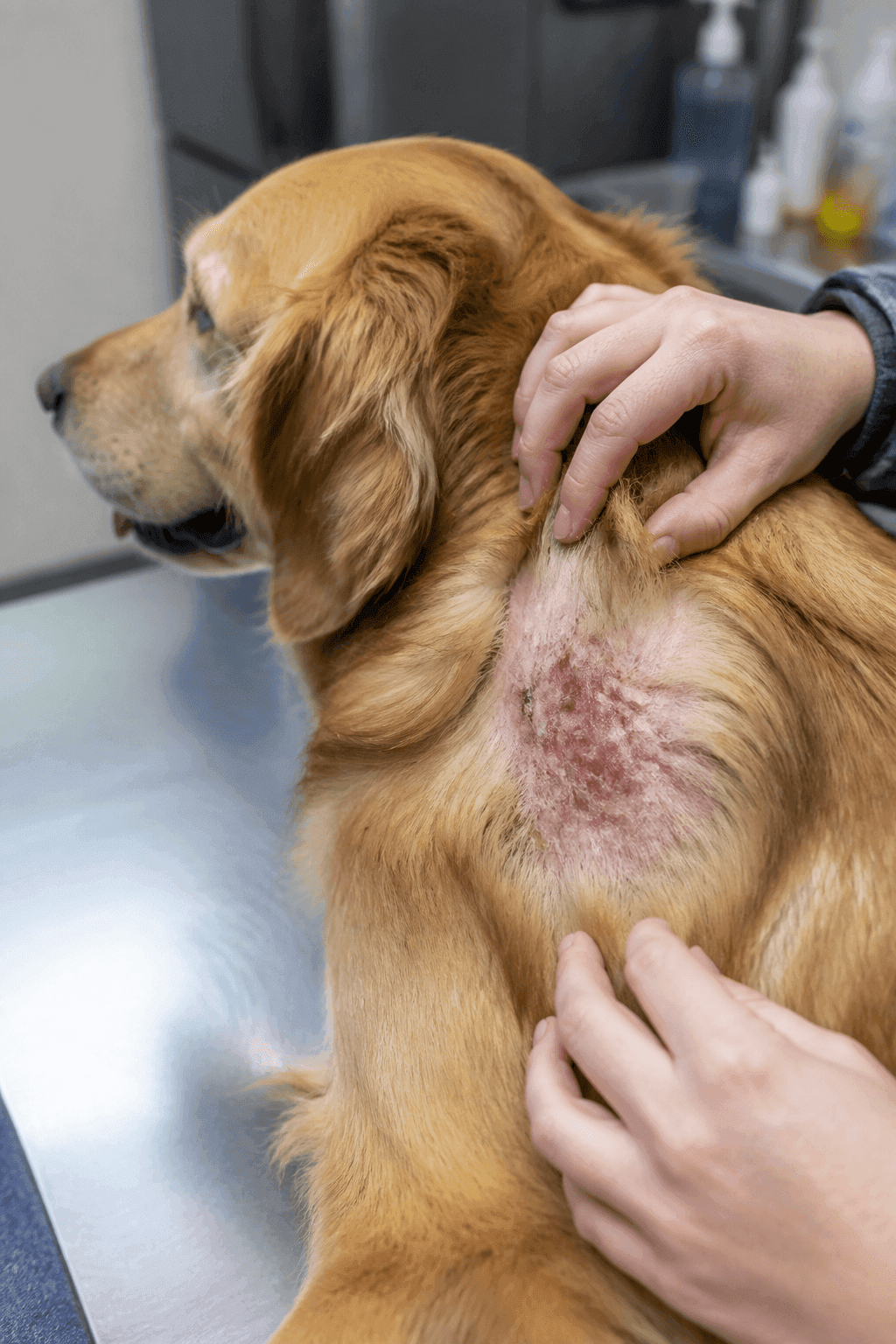
A hot spot is also known as acute moist dermatitis. It is a bacterial skin infection. It starts when a dog licks, chews, or scratches an itchy area.
The skin becomes red, inflamed, and wet. The area can grow quickly, sometimes within hours.
The fur over the spot often mats and falls out. Hot spots are painful and itchy. They need treatment to heal.
Why Are Golden Retrievers Prone to Hot Spots?
Golden Retrievers have a thick double coat. This coat traps moisture and dirt close to the skin. The warm, damp environment is perfect for bacteria to grow.
Goldens also love water. Swimming or playing in rain can leave their coat wet for a long time. This increases the risk of hot spots. Allergies are another big reason.
Many Goldens have food allergies or environmental allergies. These allergies cause itching. The itching leads to licking and scratching, which creates a hot spot.
Common Causes of Hot Spots in Golden Retrievers
Allergies are the number one cause. This includes pollen, dust mites, mold, and certain foods.
Flea and tick bites also trigger intense itching.
Ear infections can cause a dog to scratch its neck or head, leading to a hot spot.
Poor grooming is another factor. Mats in the coat pull on the skin and trap moisture.
Boredom or stress can cause a dog to lick a spot out of habit.
Moisture from swimming, bathing, or rain is a major trigger.
Signs and Symptoms of Hot Spots
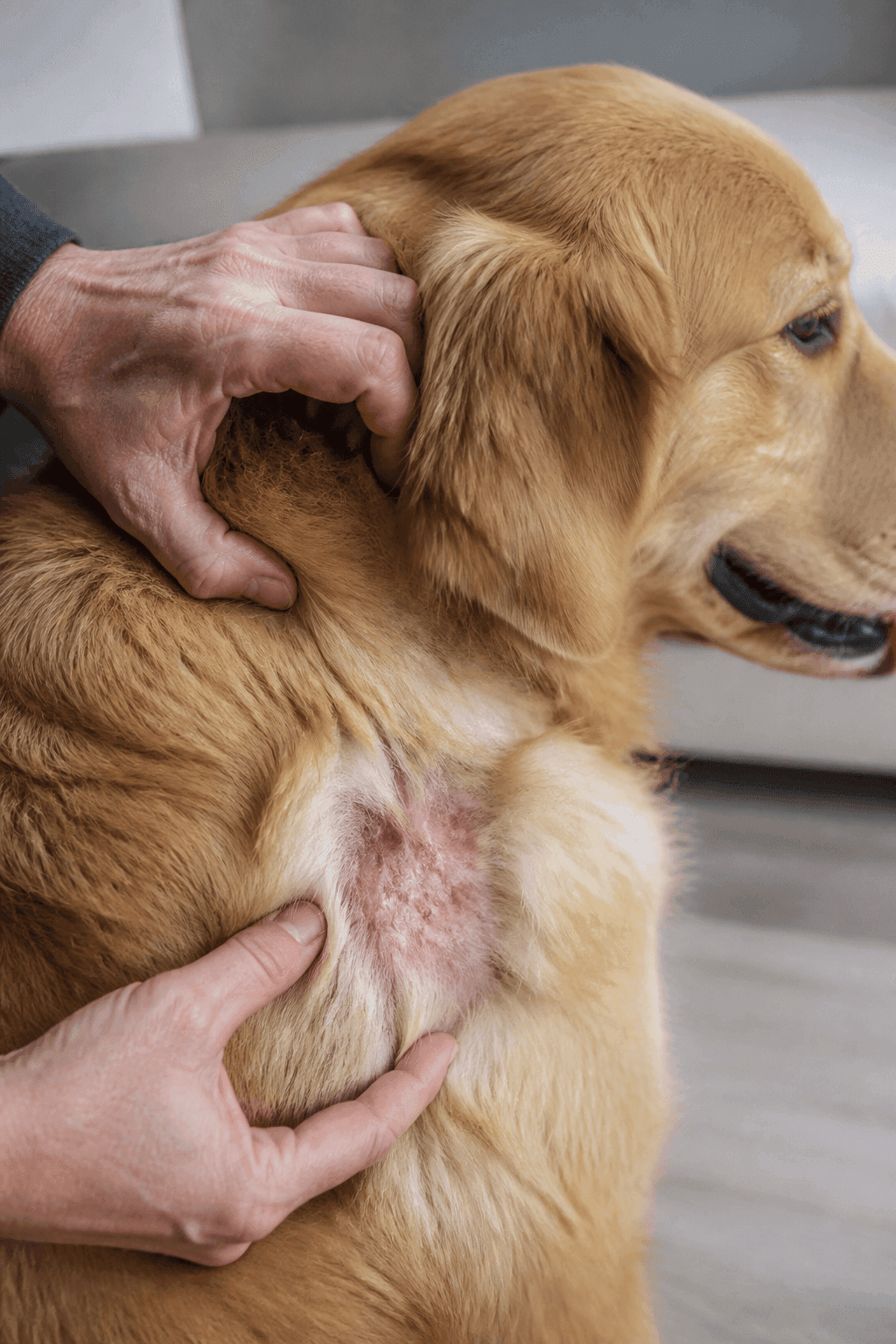
Watch for these signs in your Golden Retriever:
- Red, inflamed skin
- Moist or weeping area
- Hair loss in a small patch
- Matted fur over the spot
- Constant licking, chewing, or scratching
- Pain when touched
- Bad smell from the area
- Swelling around the spot
If you see any of these signs, act quickly. Early treatment stops the spot from growing.
How to Prevent Hot Spots on Golden Retrievers
Prevention is easier than treatment. Follow these steps to keep your Golden Retriever’s skin healthy and free from hot spots.
1. Keep Your Golden Retriever Dry
Moisture is the enemy. After your dog swims or plays in rain, dry them thoroughly. Use a clean towel to remove water from the coat.
Pay special attention to the neck, chest, and behind the ears. These areas stay wet longer. If your dog has a thick coat, use a pet blow dryer on a low heat setting.
Make sure the skin is completely dry. Do not let your dog sleep with a wet coat.
2. Brush Your Dog Regularly
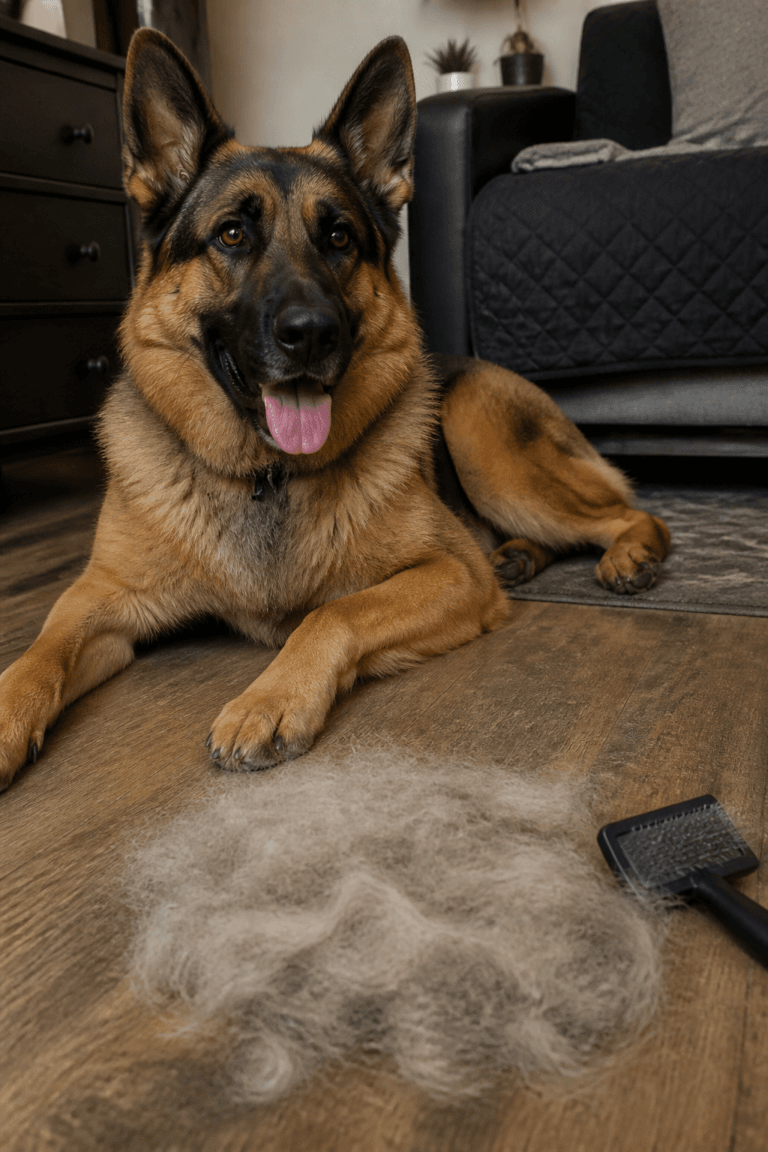
Brushing removes loose fur, dirt, and mats. It also spreads natural oils across the skin. Brush your Golden Retriever at least three times a week.
Use a slicker brush or an undercoat rake. Focus on areas where mats form, like behind the ears and under the legs. Mats pull on the skin and trap moisture. This creates a perfect spot for bacteria.
3. Bathe Your Dog Properly
Bathing helps remove allergens and dirt. But too much bathing can dry out the skin. Bathe your Golden Retriever every 4 to 6 weeks.
Use a gentle dog shampoo made for sensitive skin. Avoid human shampoos. They strip natural oils. After bathing, rinse thoroughly. Soap left on the skin can cause irritation. Dry your dog completely after the bath.
4. Manage Allergies
Allergies are a major cause of hot spots. Work with your vet to find the trigger. Common allergens include:
- Pollen
- Grass
- Dust mites
- Mold
- Chicken, beef, or grains in food
Your vet may recommend allergy testing or a food elimination diet. You can also give your dog antihistamines or omega 3 fatty acid supplements.
These reduce itching and inflammation. Keep your home clean. Vacuum often and wash your dog’s bedding weekly.
5. Control Fleas and Ticks
Flea bites cause intense itching. A single flea can trigger a hot spot on a sensitive dog. Use a vet recommended flea and tick prevention product.
Options include topical drops, oral tablets, or collars. Check your dog’s coat regularly for fleas or ticks. Treat your yard and home if you find fleas.
6. Trim the Coat in High Risk Areas
Keep the fur short in areas prone to hot spots. These include the neck, behind the ears, and the base of the tail.
Use blunt tipped scissors or a clipper with a guard. Do not shave the whole coat. The double coat protects your dog from heat and cold. Trimming just the problem areas is enough.
7. Provide Mental and Physical Stimulation
Boredom and stress can lead to licking. A bored dog may lick a spot on its leg or paw. Give your Golden Retriever plenty of exercise. Walk them twice a day.
Play fetch or let them run in a safe area. Provide interactive toys like puzzle feeders. Rotate toys to keep them interesting. Spend quality time with your dog every day.
8. Check Your Dog’s Skin Daily
Make it a habit to inspect your Golden Retriever’s skin. Run your hands over their body while petting. Feel for bumps, mats, or wet spots.
Look for redness or hair loss. Catching a hot spot early makes treatment easier. Check especially after swimming or long walks.
9. Treat Ear Infections Quickly
Ear infections are common in Golden Retrievers. They cause head shaking and scratching. This can lead to a hot spot on the neck or ear flap.
Clean your dog’s ears weekly with a vet approved ear cleaner. Look for signs of infection like redness, smell, or discharge. See your vet at the first sign of an ear problem.
10. Use a Cone or E Collar if Needed
If your dog starts licking a spot, stop them immediately. Use a plastic cone or an inflatable collar. This prevents the dog from reaching the area.
Leave the collar on until the spot heals. Licking makes the infection worse and slows healing. A collar is a simple and effective tool.
What to Do If a Hot Spot Appears
Even with prevention, hot spots can happen. Act fast to stop it from spreading.
- Trim the fur around the spot. This lets air reach the skin.
- Clean the area with a mild antiseptic like chlorhexidine solution. Use a clean cloth.
- Dry the spot gently with a towel.
- Apply a vet recommended spray or cream. Look for products with hydrocortisone or aloe vera.
- Prevent licking with an e collar.
- See your vet if the spot does not improve in 24 hours. Your vet may prescribe antibiotics or steroids.
When to See a Vet

See a vet if the hot spot is large, painful, or spreading. Also see a vet if your dog has a fever, seems lethargic, or stops eating.
Some hot spots need oral antibiotics or anti inflammatory medication. Your vet can also test for underlying allergies or infections. Do not delay treatment. Hot spots can grow very fast.
Comparison of Prevention Methods
| Prevention Method | How It Helps | How Often |
|---|---|---|
| Drying after water | Removes moisture | After every swim or bath |
| Brushing | Removes mats and dirt | 3 to 4 times per week |
| Bathing | Removes allergens | Every 4 to 6 weeks |
| Allergy management | Reduces itching | Ongoing |
| Flea control | Prevents bites | Monthly |
| Coat trimming | Reduces moisture traps | Every 4 to 6 weeks |
| Daily skin check | Catches problems early | Every day |
| Ear cleaning | Prevents ear infections | Weekly |
Key Takeaways for Preventing Hot Spots
- Keep your dog dry after any water activity.
- Brush and groom your Golden Retriever regularly.
- Manage allergies with your vet’s help.
- Use flea prevention every month.
- Trim fur in high risk areas.
- Provide exercise and toys to prevent boredom.
- Check your dog’s skin daily.
- Treat ear infections early.
- Use a cone if your dog licks a spot.