German Shepherds are one of the most loyal, intelligent, and energetic dog breeds in the world. But keeping them healthy starts with what goes in their bowl.
The right diet can protect their joints, support their gut, boost their coat, and add years to their life. The wrong one? It can cause everything from bloating to allergies to early hip problems.
Whether you have a puppy, an adult, or a senior German Shepherd, these 10 vet-aligned nutrition tips will help you feed your dog for a long, strong, and happy life.
1. Choose a High-Protein Diet Made for Large Breeds
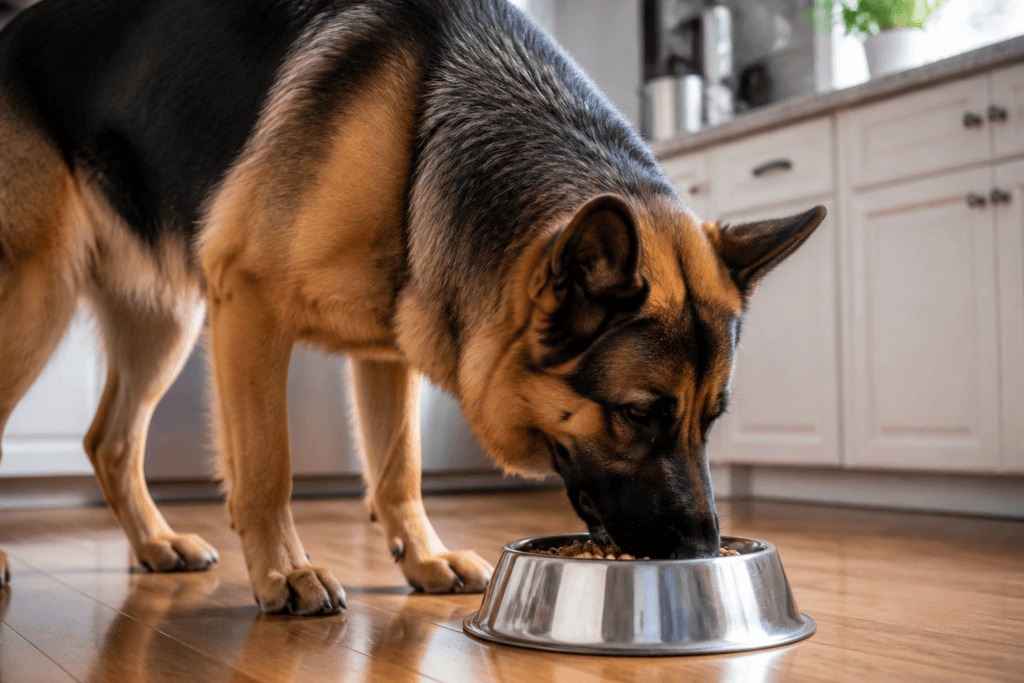
German Shepherds are working dogs. They need protein to fuel their muscles, support recovery, and maintain lean body mass.
Look for dog food where a named animal protein (chicken, beef, salmon, lamb) is listed as the first ingredient.
What to look for:
- Minimum 22% protein for adults
- Minimum 28% protein for puppies
- Whole meat or meal (like “chicken meal”) as the first ingredient
Avoid foods that lead with corn, wheat, or soy. These are cheap fillers that offer little nutritional value for your dog.
2. Do Not Overfeed – Portion Control Is Everything
German Shepherds love food and will eat past fullness if you let them. Overfeeding is one of the leading causes of joint problems, especially in a breed already prone to hip dysplasia.
General feeding guide (adjust per your vet’s recommendation):
- Puppies (8 to 16 weeks): 3 to 4 small meals per day
- Puppies (4 to 12 months): 3 meals per day
- Adults (1 year and older): 2 meals per day
- Senior dogs (7 years and older): 2 smaller meals, lower calorie
Always use a measuring cup. “Eyeballing” portions is one of the most common mistakes dog owners make.
3. Pick a Dog Food Formula Designed for Large Breeds
Not all dog food is the same. Large breed formulas are specifically designed to support controlled bone growth and joint health.
This matters most during puppyhood, when bones are still developing.
What large breed formulas typically include:
- Balanced calcium-to-phosphorus ratio to protect bone density
- Glucosamine and chondroitin for joint support
- Controlled fat levels to prevent excess weight gain
German Shepherds are genetically predisposed to hip and elbow dysplasia. Feeding a large breed formula from puppyhood is one of the most impactful things you can do.
4. Support Gut Health With Probiotics and Digestible Ingredients
German Shepherds are known to have sensitive stomachs. Bloating, gas, and loose stools are common complaints in the breed.
The good news is that diet plays a huge role in gut health.
Tips for a healthier gut:
- Look for dog food with added probiotics or prebiotics
- Avoid foods with artificial preservatives like BHA, BHT, or ethoxyquin
- Introduce new foods slowly over 7 to 10 days to prevent upset
- Consider adding a dog-safe probiotic supplement if your GSD has recurring digestive issues
Fermented foods like plain, unsweetened kefir can also be offered in small amounts as a natural gut booster.
5. Add Omega-3 Fatty Acids for Coat, Skin, and Joints
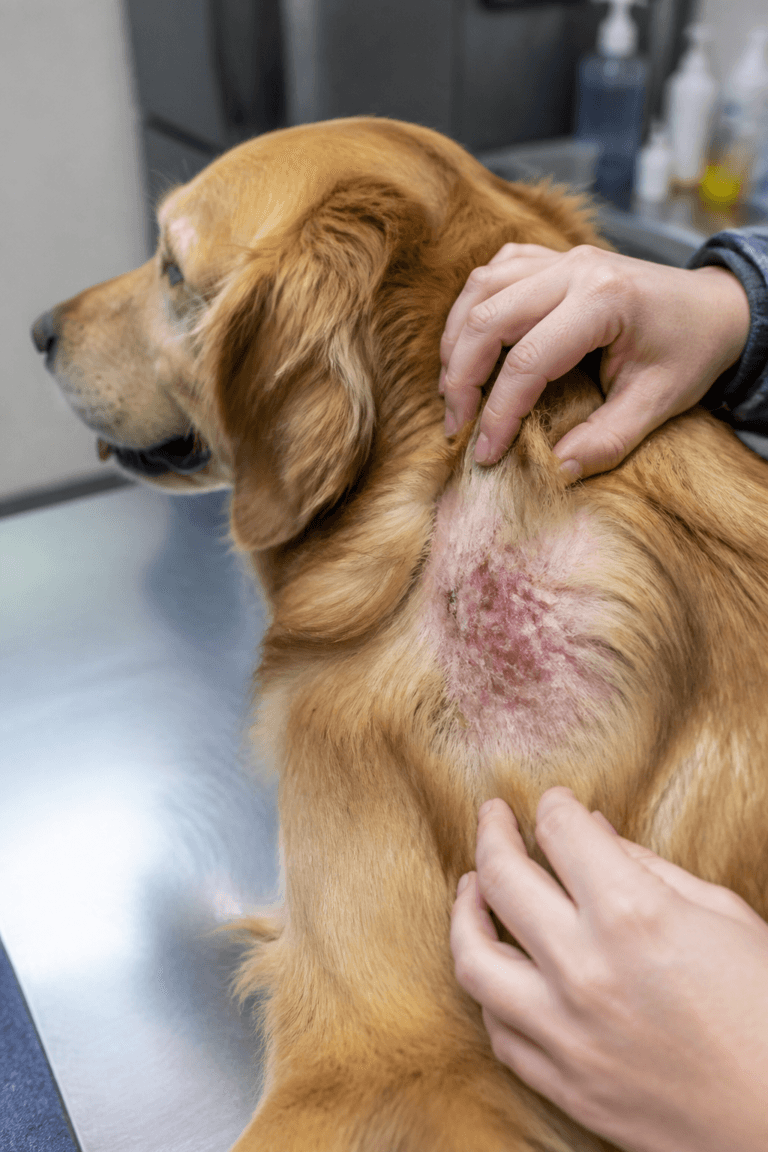
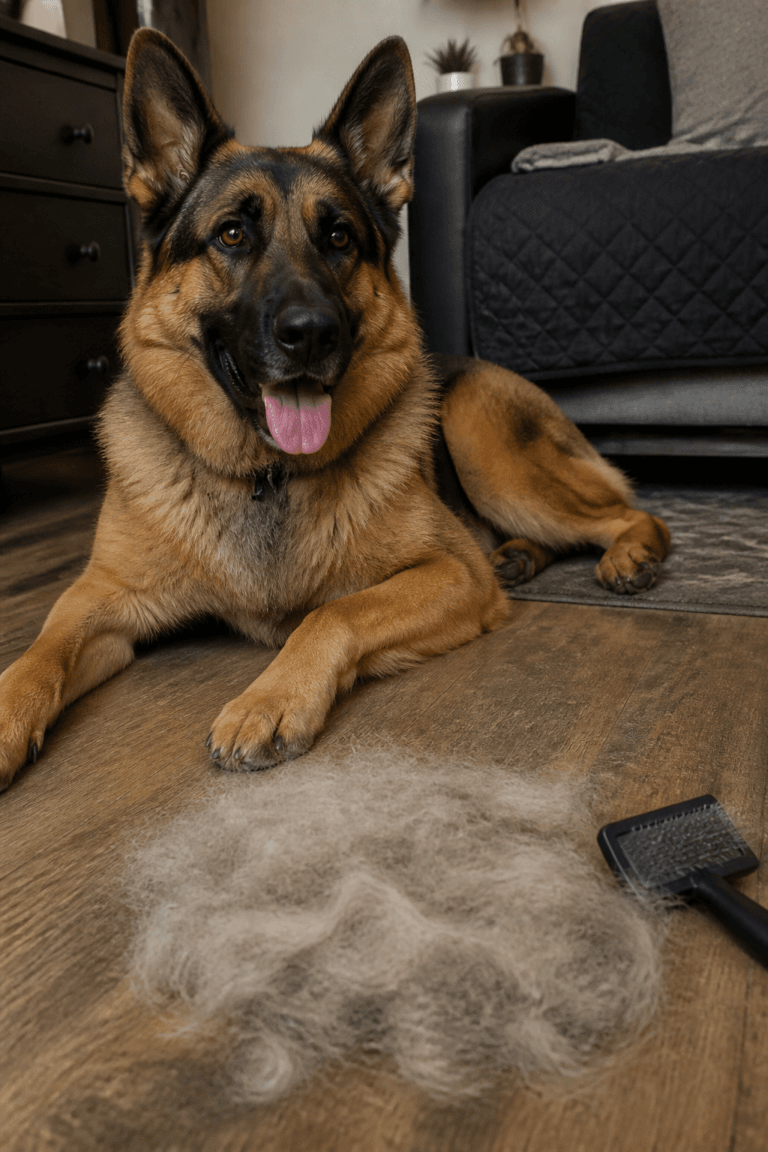
German Shepherds have a thick double coat that sheds heavily. A dull coat, dry skin, and excessive shedding are often signs of a nutritional gap, specifically omega-3 fatty acids.
Best sources of omega-3s for dogs:
- Fish oil (salmon oil is the most popular choice)
- Sardines packed in water (as an occasional treat)
- Flaxseed oil (plant-based option)
- Dog foods with salmon or herring as primary protein
Omega-3s also reduce inflammation, which directly supports hip and joint health in large breeds.
Dosage tip: For a 60 to 90 lb German Shepherd, a common fish oil dose is around 1,000 mg to 2,000 mg per day. Always confirm with your vet.
6. Keep Hydration a Priority
Water is as important as food. German Shepherds are active dogs that can dehydrate quickly, especially during exercise or hot weather.
Dehydration affects energy levels, digestion, kidney function, and overall health.
Hydration tips:
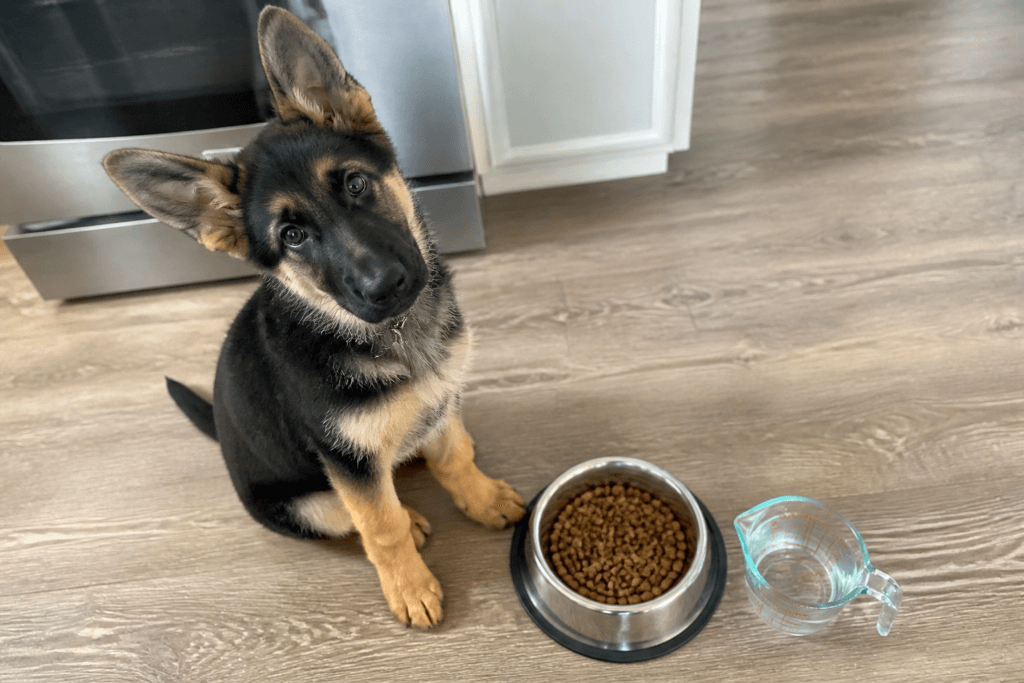
- Always have fresh, clean water available
- Wash the water bowl daily to prevent bacteria buildup
- During summer or after exercise, offer water more frequently
- Wet food or adding water to dry kibble can boost daily water intake
A simple hydration check: press gently on your dog’s gums and release. The color should return within 2 seconds. If it takes longer, your dog may be dehydrated.
7. Know Which Human Foods Are Safe (and Which Are Toxic)
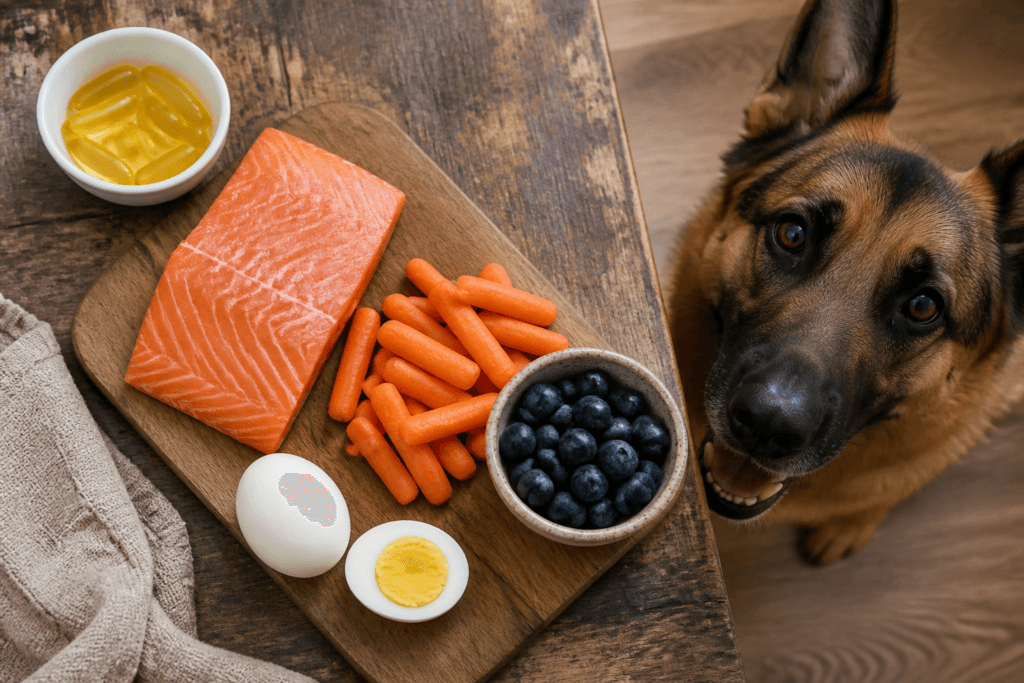
Many dog owners love sharing snacks with their German Shepherd. Some human foods are genuinely healthy for dogs. Others are dangerous, even deadly.
Safe human foods for German Shepherds:
- Carrots (great for teeth and low in calories)
- Blueberries (antioxidant-rich)
- Cooked chicken or turkey (boneless, plain)
- Cooked eggs
- Plain pumpkin (great for digestion)
- Sweet potatoes
Foods to never give your German Shepherd:
- Grapes and raisins (can cause kidney failure)
- Onions and garlic (toxic to red blood cells)
- Chocolate
- Xylitol (found in sugar-free products)
- Macadamia nuts
- Avocado
- Alcohol
When in doubt, look it up before you share.
8. Adjust the Diet as Your German Shepherd Ages
A puppy, adult, and senior German Shepherd have completely different nutritional needs. Feeding the same formula throughout life is a common mistake.
Nutritional needs by life stage:
Puppy (0 to 12 months): Higher protein, calcium, and calories to support rapid growth. Never feed adult food to a GSD puppy, as the nutrient ratios are different.
Adult (1 to 7 years): Balanced maintenance diet. Focus on lean protein, healthy fats, and joint-supporting nutrients.
Senior (7 years and older): Lower calories to prevent weight gain, added joint support (glucosamine, chondroitin), and easier-to-digest ingredients. Some seniors benefit from wet food if they develop dental issues.
9. Limit Treats and Avoid Junk Fillers
Treats should never make up more than 10% of your dog’s daily calorie intake.
Many commercial dog treats are loaded with sugar, artificial colors, and empty fillers that offer zero nutritional benefit.
Healthy treat ideas for German Shepherds:
- Baby carrots
- Small cubes of plain chicken breast
- Freeze-dried meat treats (single-ingredient)
- Apple slices (no seeds or core)
- Plain rice cakes
Avoid treats that list sugar, corn syrup, or artificial flavors near the top of the ingredient list. These spike blood sugar and contribute to weight gain.
10. Schedule Regular Vet Checkups to Monitor Weight and Health
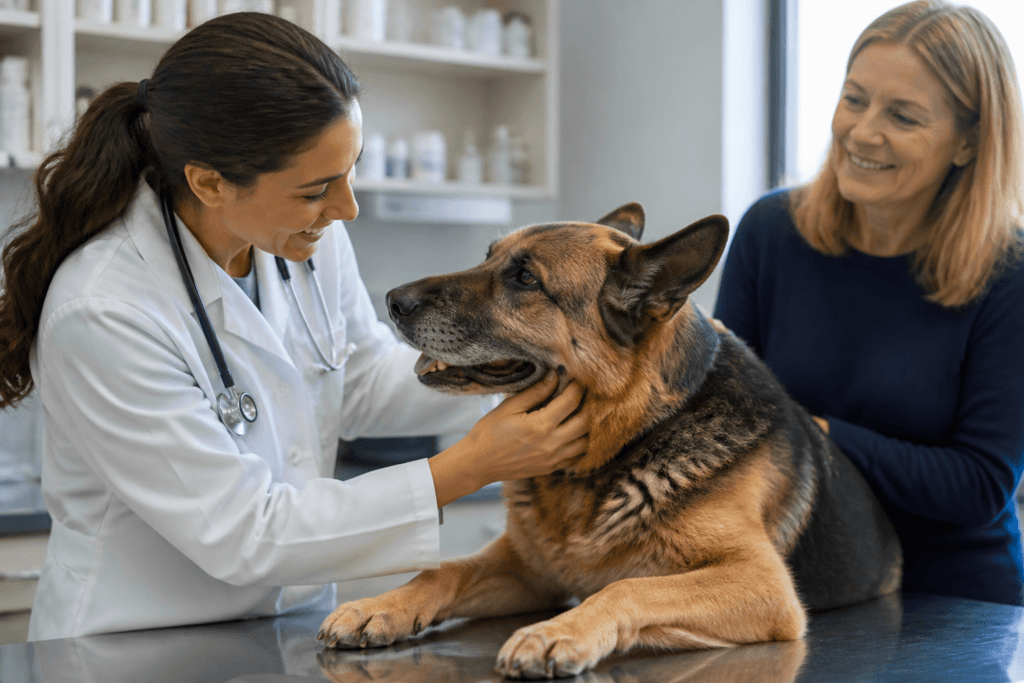
Even with the best diet, every German Shepherd is different. Body condition, activity level, health conditions, and genetics all affect nutritional needs.
Regular vet visits help you stay ahead of problems before they become serious.
What to discuss at your vet visit:
- Ideal weight range for your specific dog
- Whether to adjust food quantity or formula
- Supplements that may benefit your dog (fish oil, joint support, probiotics)
- Signs of food allergies (itchy skin, chronic ear infections, loose stools)
- Whether a raw or fresh food diet is appropriate for your dog
A vet can also do a body condition score assessment, which is a much more accurate way to evaluate your dog’s weight than the scale alone.
Always consult your veterinarian before making significant changes to your dog’s diet, especially if your dog has existing health conditions.