Dogs feel emotions in ways that might surprise you. They notice your mood, your voice, and even the tiniest changes in your routine.
Most of us want our dogs to be happy, but sometimes we accidentally hurt their feelings without realizing it.
Dogs can’t exactly tell you what’s wrong, but they sure try to show it with their body language. If you start noticing the signs, you can avoid a lot of accidental heartbreak on both sides.
1) Ignoring your dog for extended periods
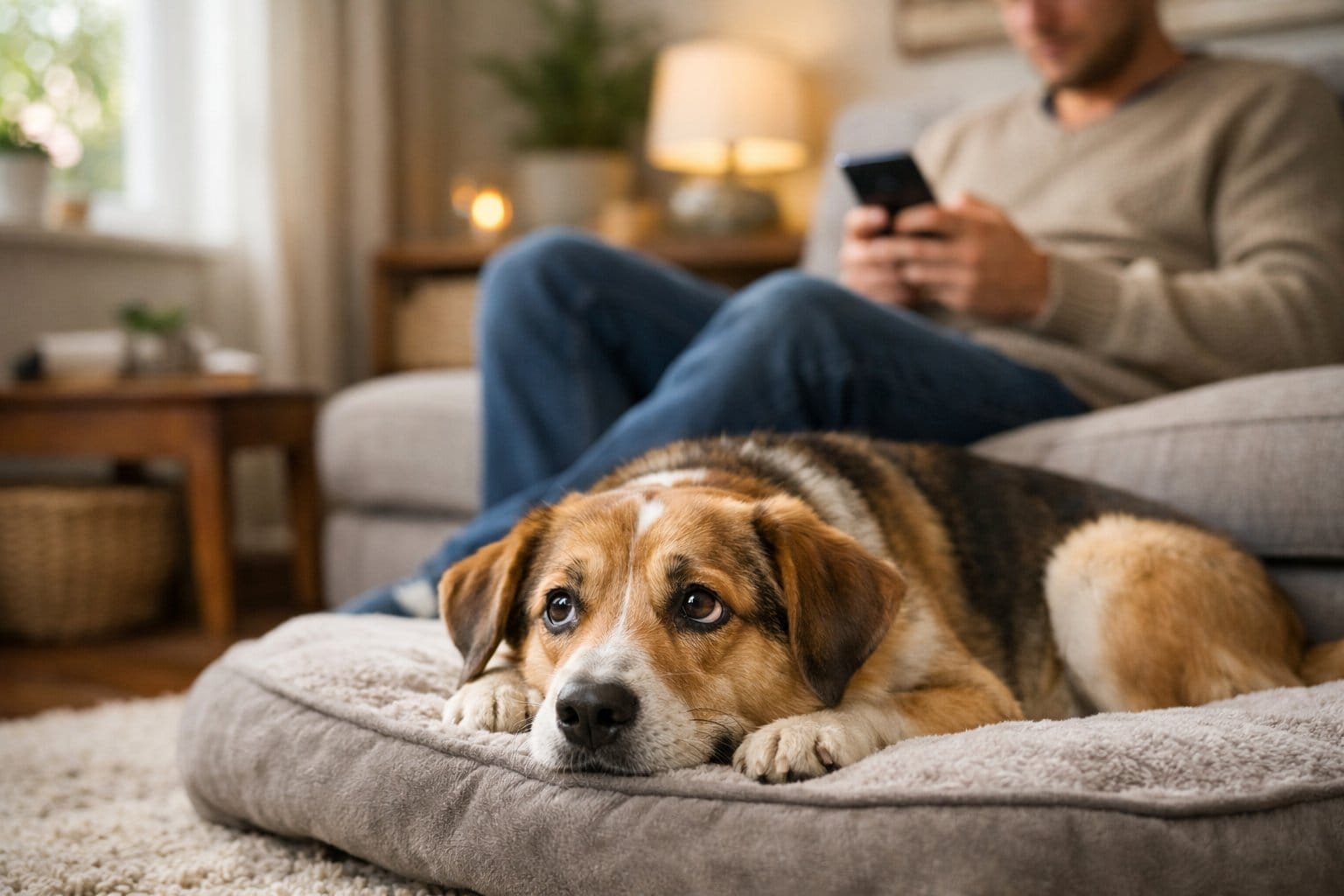
Dogs crave regular, meaningful interaction. If you ignore your dog for long stretches, they’re likely to feel rejected and lonely.
It’s not just about being in the same room. Dogs need your attention and engagement, not just your physical presence.
Consistently leaving them out can cause stress or even emotional insecurity. If you’re gone for most of the day, maybe think about hiring a dog walker or asking a friend to drop by.
Honestly, most adult dogs shouldn’t be left alone for more than 8-10 hours. Regular play, walks, and a little extra attention go a long way.
2) Using a harsh or angry tone of voice
Dogs are surprisingly tuned in to your tone, even if they don’t get every word. They can tell when you’re upset just by how you sound.
Using a harsh or angry voice can really rattle them. You might notice their ears droop, their tail tuck, or they suddenly avoid looking at you.
You don’t have to yell to get your point across. A calm, firm voice usually works better and keeps your relationship healthy. Try to show patience, even when it’s tough.
3) Withholding affection or praise
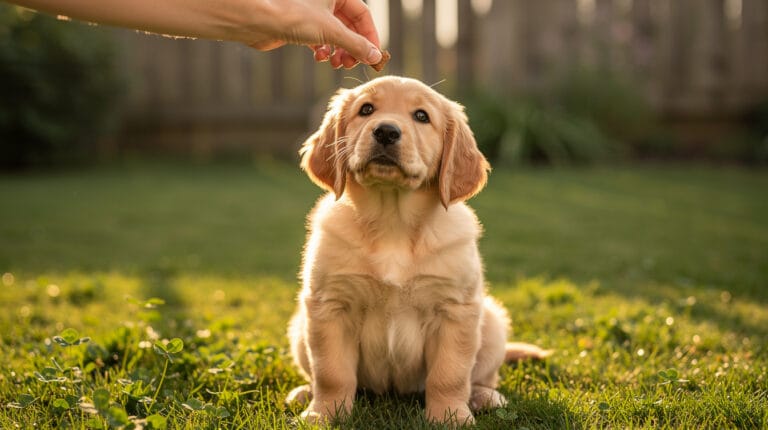
Dogs really do look for your approval. When you forget to show affection or ignore their good behavior, they can feel confused or left out.
Even a quick pat or a kind word tells your dog they’re doing something right. If you skip the praise, they might not know where they stand with you.
Building confidence in your dog takes regular, genuine affection. It’s honestly one of the easiest ways to keep your bond strong.
Don’t forget to make a little time each day just to let your dog know you’re happy they’re around.

4) Sudden changes in routine
Dogs find comfort in routines. When things suddenly change, it can throw them off in a big way.
They expect meals, walks, and playtime to happen at about the same time each day. If you start moving things around without warning, it can make them anxious.
Even something as simple as moving their food bowl can be a big deal. Dogs really do notice when something’s different.
If you have to change things, try to do it gradually. Small steps help your dog adjust without too much stress.
5) Yelling or scolding in front of guests
Dogs are sensitive to the social vibe at home. Getting yelled at in front of guests can be extra embarrassing for them.
They pick up on the attention from others. Being singled out in front of an audience can really make them feel ashamed.
If your dog acts up while people are over, it’s better to quietly redirect them or remove them from the room. Save the lesson for later, in private.
6) Physical punishment or rough handling
Physical punishment is a fast way to break trust with your dog. If you hit or yank them, they might just learn to fear you.
Dogs don’t really connect punishment with past behavior the way people do. They just know you’re upset, and that can make them anxious or scared.
Even rough play or grooming can make them wary if you’re not gentle. Your dog wants to feel safe with you, not on edge.
Honestly, positive reinforcement almost always works better. It keeps your bond strong and helps your dog feel secure.
7) Not respecting your dog’s personal space
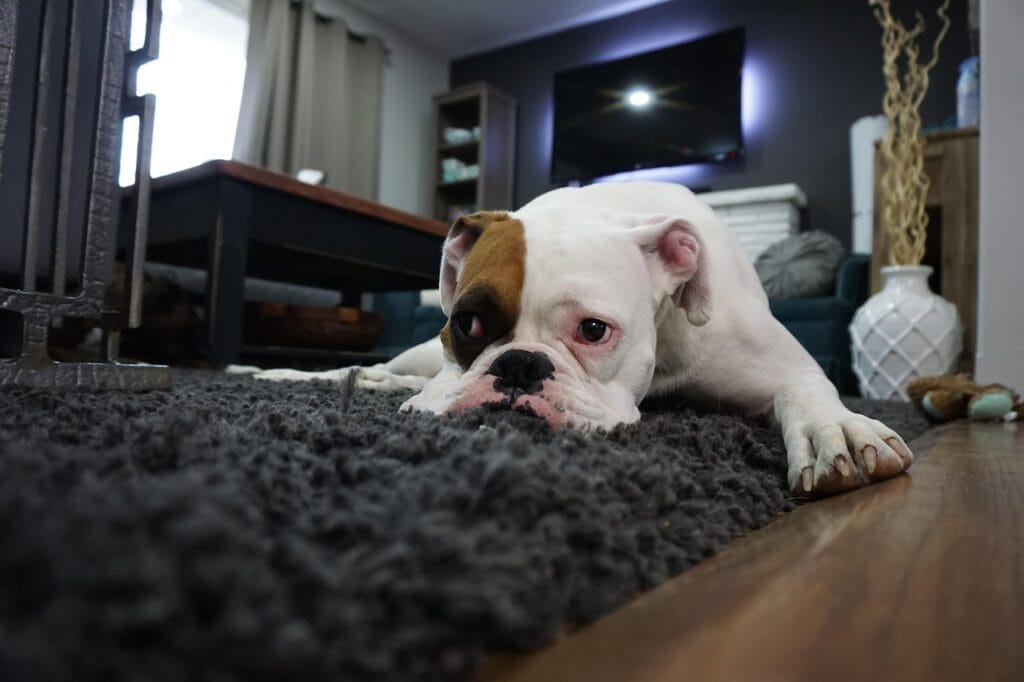
Just like people, dogs need their own space sometimes. If they’re trying to be alone and you keep pushing for attention, it can stress them out.
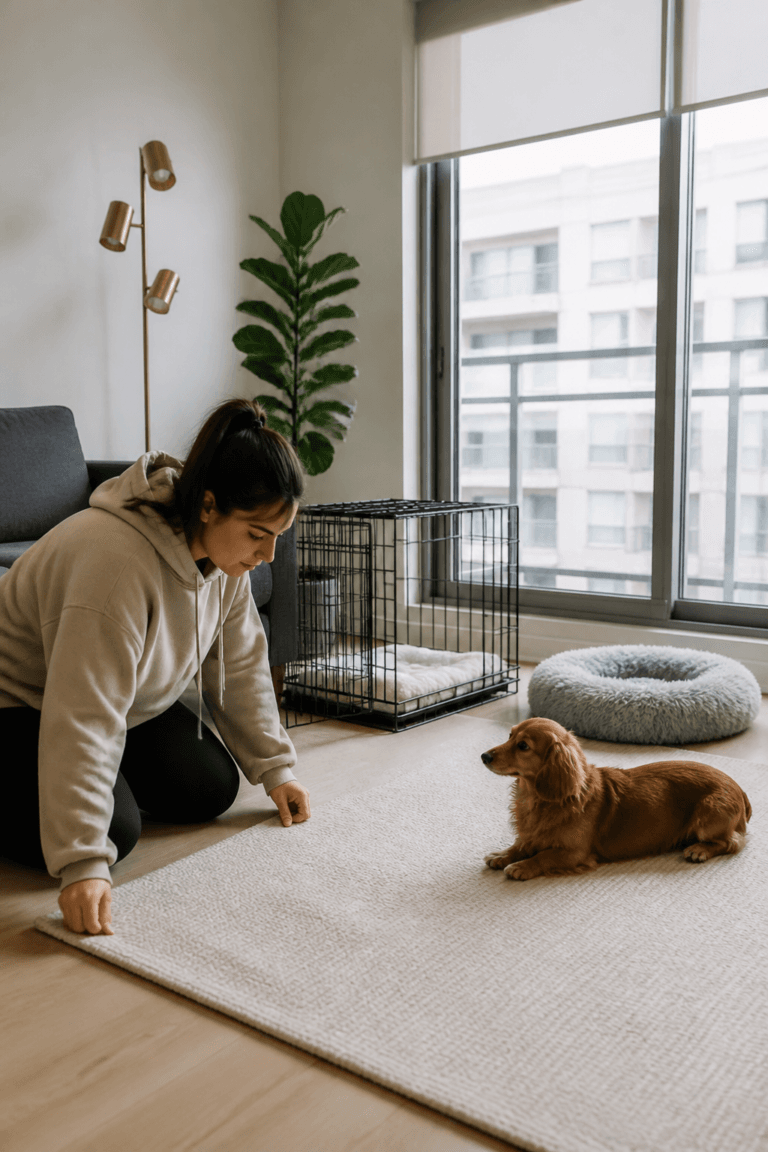
Watch for signs like turning away, moving to their bed, or just not engaging. That’s your cue to give them a break.
This matters a lot when they’re eating, sleeping, or just tired. Giving them space shows respect and helps them trust you more.
8) Inconsistent commands or expectations
Dogs need consistency to learn. If you use different words for the same command, it’s no wonder they get confused.
Same goes for rules. Letting them on the couch one day and scolding them the next just doesn’t make sense to them.
Pick one word for each command and stick to it. Make sure everyone in the house is on the same page, or your dog will end up frustrated.
9) Leaving your dog isolated or confined too long
Dogs aren’t meant to be alone for ages. Too much isolation can really affect their mood and mental health.
Long hours by themselves can lead to stress, sadness, or even separation anxiety. It’s tough on them, honestly.
Physical discomfort is a real issue too. If they’re stuck inside too long, they might need to go out but can’t, which is just not fair to them.
Dogs left alone too much might act out, get depressed, or just lose interest in things they used to love.
10) Interrupting your dog’s rest or sleep
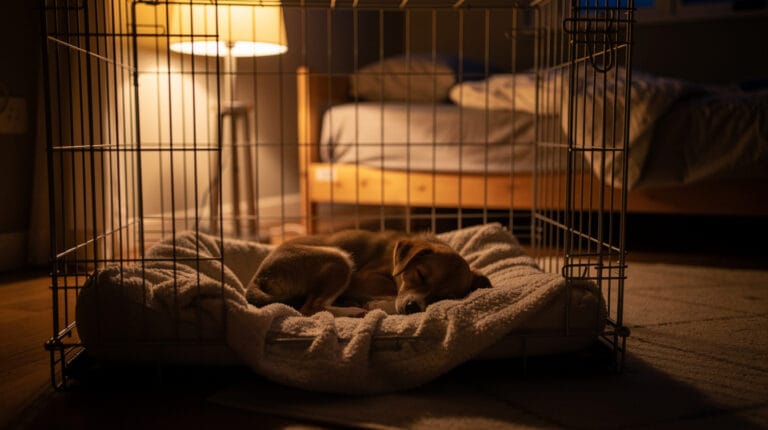
Dogs need a lot of sleep to stay healthy and happy. Most adult dogs clock in about 12 to 14 hours every day, though puppies and seniors usually need even more shut-eye.
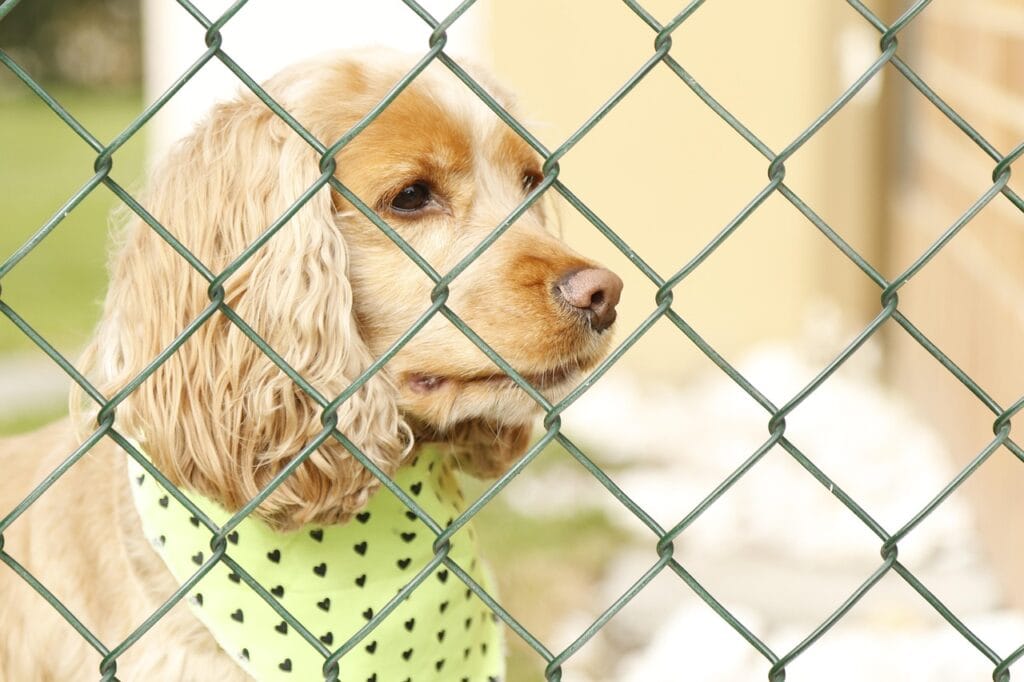
If you wake your dog up suddenly or keep disturbing their rest, it can leave them feeling anxious or a bit on edge. Sometimes they get startled, or just look at you like, “Why’d you do that?”
Regular sleep patterns help your dog recharge. Breaking up their naps too often means they’re missing out on the deep rest they really need.
Try letting your dog finish their sleep naturally when you can. It’s worth setting up a quiet spot where they can snooze without being bothered.