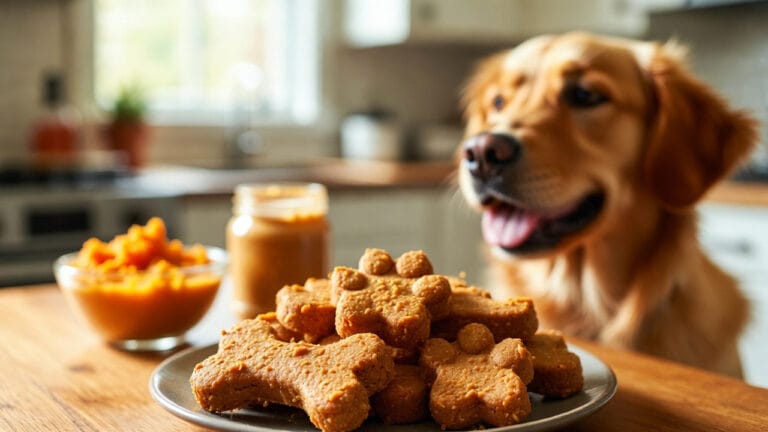
Quick, tasty, and made with pantry staples your dog already trusts. These oat and honey treats come together fast, use safe ingredients, and please picky eaters.
Best part – you control what goes into them, so no mystery preservatives or questionable flavors. Ready to make treats your dog will wag for?
Ingredients
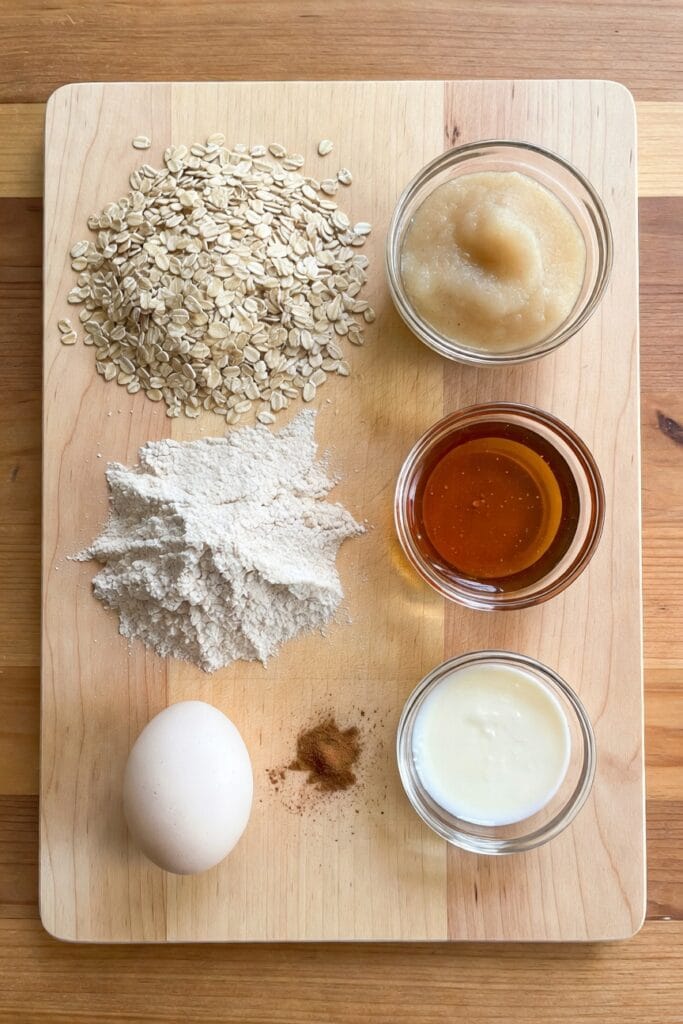
Here’s what you need for a basic batch. Feel free to tweak proportions for texture or add-ins.
- 2 cups rolled oats (use gluten-free oats if your dog has sensitivities)
- 1 cup whole wheat flour or oat flour for a grain-sensitive pup
- 1/2 cup natural unsweetened applesauce
- 1/4 cup honey (use sparingly – see safety note below)
- 1 large egg
- 2 tablespoons coconut oil, melted
- 1/2 teaspoon cinnamon (optional, small amount only)
Safety note about honey and cinnamon
Honey is safe for adult dogs in small amounts and adds natural sweetness and antioxidants. Avoid giving honey to puppies under 12 weeks.
Cinnamon in tiny amounts can add aroma and may help blood sugar regulation, but give it lightly. Avoid cinnamon if your dog has specific health issues without asking your vet.
Homemade Oat & Honey Dog Treats
Wholesome Ingredients
Simple pantry staples like rolled oats, applesauce, egg, and coconut oil create a clean recipe with no mystery preservatives.
Nutrition Dogs Benefit From
Oats support digestion, applesauce adds vitamin C, and coconut oil promotes healthy skin and coat.
Quick Preparation
Mix dry and wet ingredients, shape bite sized treats, then bake at 350°F for 12–18 minutes depending on thickness.
Smart Feeding
Offer treats in moderation. Small dogs: 1–2, medium dogs: 2–3, large dogs: 3–5 per day.
Nutritional Benefits for Dogs
These treats pack simple, wholesome nutrition your dog actually needs.
- Oats provide fiber, B vitamins, and slow-burning carbs. They help with digestion and keep energy steady.
- Honey gives small amounts of natural sugars and antioxidants. It adds flavor without artificial sweeteners.
- Applesauce contributes moisture, pectin for digestion, and vitamin C.
- Coconut oil supplies healthy medium-chain fatty acids that support skin and coat health.
Oats can help dogs with grain sensitivities if you use gluten-free oats or swap in oat flour. IMO, homemade treats like these beat store-bought snacks that hide fillers and unknown oils.
Preparation Steps
These steps keep things easy, so you can make treats between walks or during a Netflix break.
- Preheat oven to 350°F (175°C). Line a baking sheet with parchment paper.
- Combine oats and flour in a large bowl. Add cinnamon if using.
- In a separate bowl, whisk the egg, applesauce, honey, and melted coconut oil until smooth.
- Mix wet ingredients into dry ingredients. Stir until the dough forms. If the dough looks too dry, add a teaspoon of water or more applesauce. If too sticky, add a bit more flour.
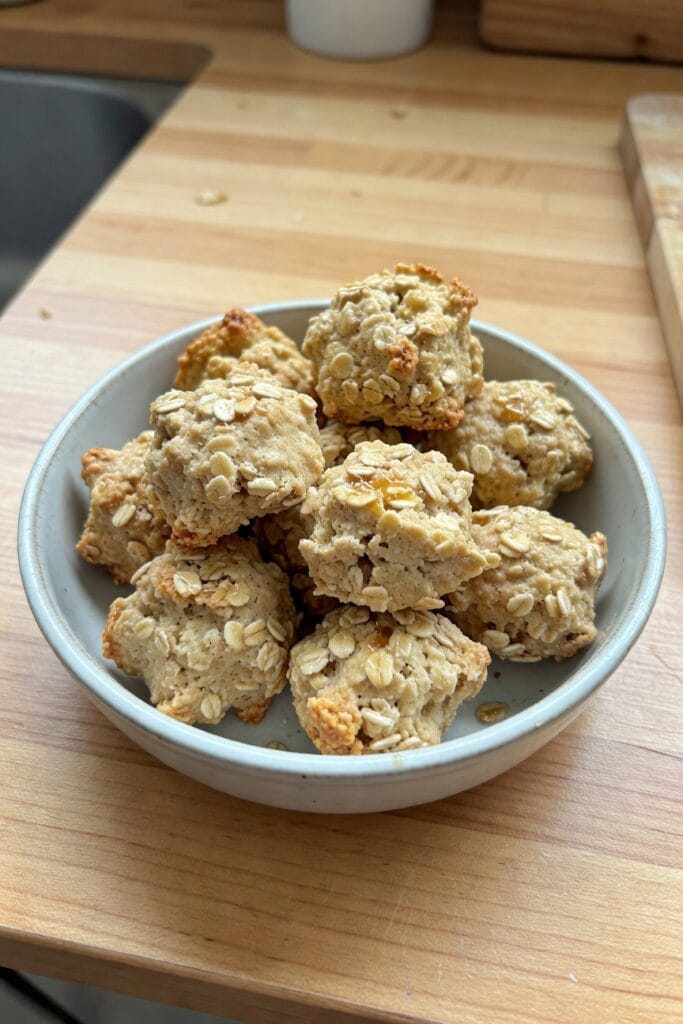
- Roll into small balls or press flat with a fork for crunchier treats. Aim for bite-size pieces for your dog’s breed.
- Bake 12-18 minutes depending on thickness. Thinner treats crisp up in about 12 minutes, thicker bites may take closer to 18.
- Cool completely before offering to your dog. Treats firm up as they cool.
Texture tips
Want soft treats for older dogs who chew slowly? Bake for less time and keep them slightly softer inside.
Want crunchy treats that last longer? Flatten them thin and bake a bit longer. You control chewability, which helps with dental hygiene or picky chewers.
Variations and Add-ins
Mix things up with safe, nutritious add-ins your dog will enjoy.
- Peanut butter: Use xylitol-free natural peanut butter, 2-4 tablespoons, for flavor and healthy fats.
- Pumpkin puree: Swap applesauce for canned pumpkin for extra fiber and beta carotene.
- Blueberries: Fold in a handful of fresh or frozen blueberries for antioxidants.
- Shredded carrot: Add fiber and crunch. Great for teething pups.
Avoid adding chocolate, xylitol-containing peanut butter, raisins, grapes, macadamia nuts, or onion and garlic powders. Those ingredients harm dogs.
Feeding Guidelines
How many treats can your dog eat? That depends on size, activity level, and overall diet.
- Small dogs: 1-2 small treats per day as a snack.
- Medium dogs: 2-3 small treats per day.
- Large dogs: 3-5 treats per day.
Use treats as part of your dog’s daily caloric intake, not extra calories on top. If your dog has weight issues or diabetes, consult your vet before adding sweet treats like these. FYI, treats should make up no more than 10% of daily calories for most dogs.
Storage Tips
Proper storage keeps treats fresh and safe.
- Room temperature: Store in an airtight container for up to 5 days.
- Refrigerator: Keeps treats fresh for up to 2 weeks.
- Freezer: Freeze in portions for up to 3 months. Thaw in the fridge or at room temperature before serving.
Label containers with date made. Dogs do not care about dates, but your future self will thank you for not discovering a science experiment in the back of the pantry.
Health Considerations and What to Avoid
Always prioritize safety and your dog’s unique needs.
- Puppies under 12 weeks should not eat honey. It can carry spores that their immature immune systems cannot handle.
- Dogs with diabetes should avoid treats with added sugars like honey. Ask your vet for alternatives.
- Watch for allergies to wheat or oats. If your dog reacts to grains, use oat flour or a grain-free flour alternative and consult your vet.
- Introduce new treats slowly. Offer one treat and watch for vomiting, diarrhea, itching, or unusual behavior over 24 hours.
If your dog has chronic health issues, check with your vet before changing diets or adding regular treats.
When to call the vet
If your dog eats too many treats and shows lethargy, persistent vomiting, diarrhea, tremors, or seizures, call your vet immediately. Better safe than sorry, and your vet will advise next steps.
FAQ
Are oats safe for all dogs?
Yes, oats are safe for most dogs and provide good fiber and nutrients. If your dog shows signs of gluten sensitivity, use certified gluten-free oats or oat flour. Introduce oats gradually to avoid digestive upset.
How much honey is safe per treat?
Use about 1-2 teaspoons of honey per batch of 24 small treats. Honey adds flavor and antioxidants, but too much sugar is unhealthy. Remember, no honey for puppies under 12 weeks.
Can I make these treats grain-free?
Yes, swap the whole wheat flour and oats for grain-free options like coconut flour or a dog-safe grain-free commercial flour. Adjust liquid because coconut flour absorbs more moisture. Start with small test batches.
How long do homemade treats last?
Store room temperature in an airtight container for up to 5 days, refrigerate up to 2 weeks, or freeze up to 3 months. Label dates so you avoid freezer surprises.
What if my dog has diabetes or is overweight?
Skip honey and reduce treats. Consider plain baked oat discs with pumpkin or mashed banana in minimal amounts. Always consult your vet for personalized feeding plans.
Can I use raw oats or do I need to cook them first?
You can use rolled oats raw in the dough; baking during preparation cooks them enough. Avoid quick oats that turn gummy, unless you adjust liquid. Steel-cut oats do not work well for this recipe.