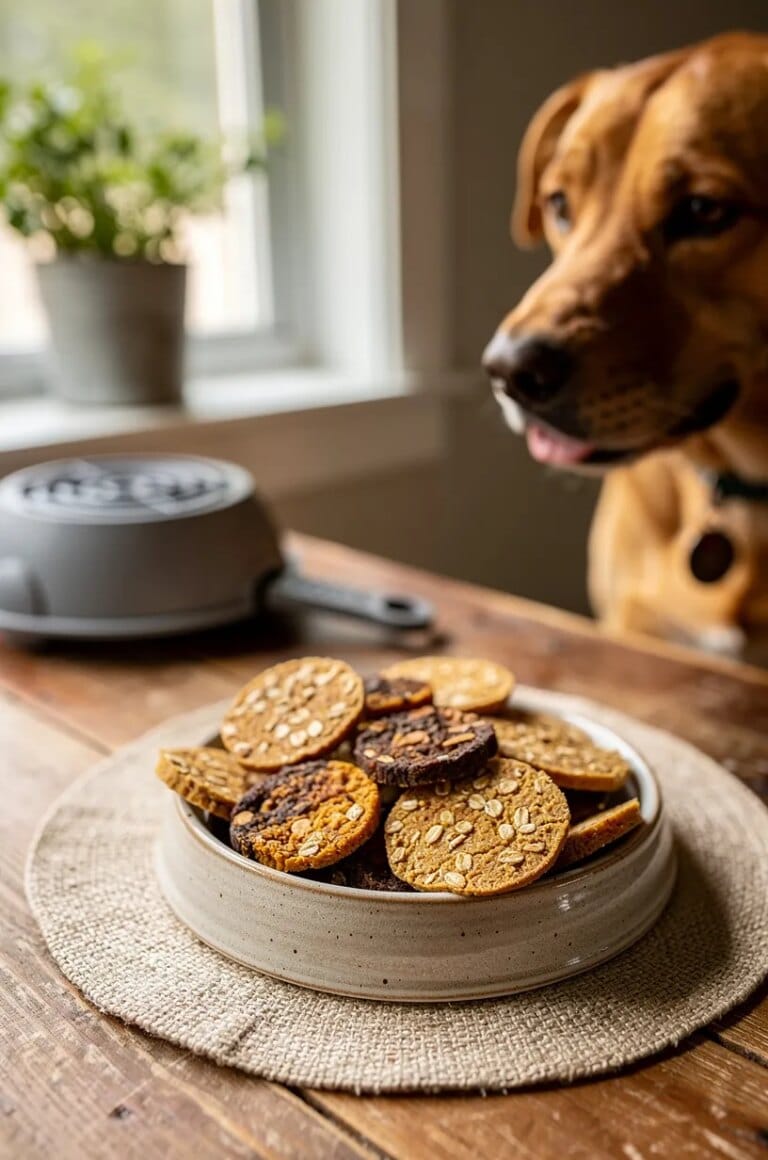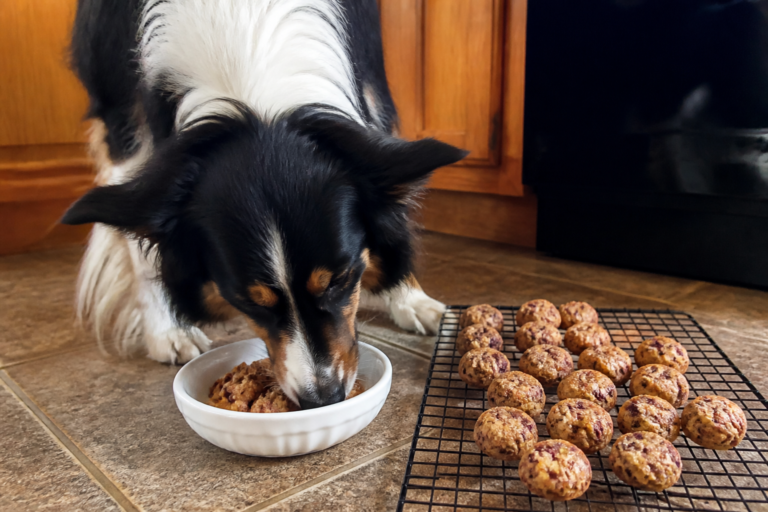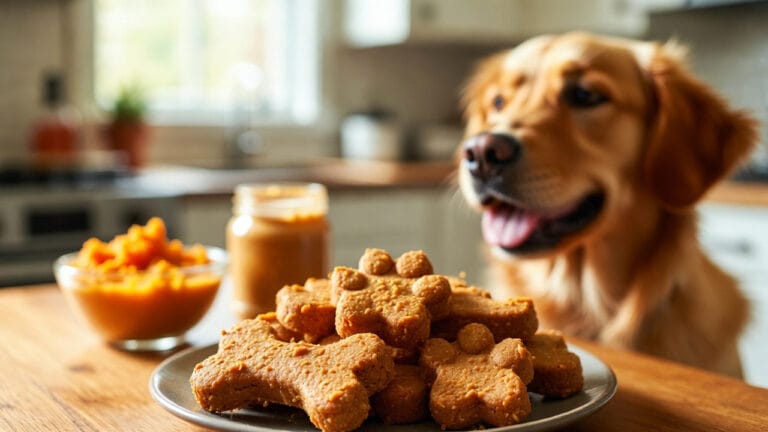
If your dog loves crunch and you want a healthy, easy treat, these Carrot and Oatmeal Crunchy Dog Biscuits hit the spot.
They use simple pantry staples, pack fiber and vitamins, and bake into a satisfyingly crisp snack.
Trust me, your dog will act like you suddenly discovered bacon-level wizardry.
Ingredients
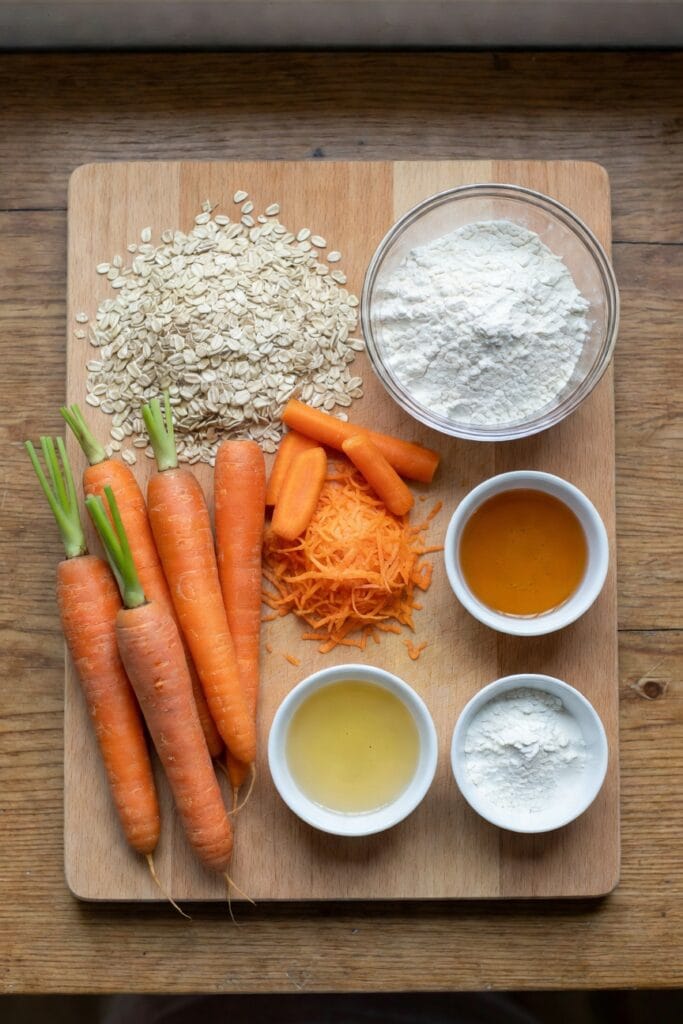
Here’s what you need for one batch, which makes about 40 small biscuits depending on size.
- 1 cup rolled oats
- 1 cup whole wheat flour (or oat flour for a grain-free option)
- 1 medium carrot, finely grated (about 1/2 cup)
- 1/4 cup unsweetened applesauce or mashed banana
- 1 large egg
- 2 tablespoons peanut butter, unsalted and xylitol-free
- 1-2 tablespoons water or low-sodium chicken broth as needed
Ingredient notes:
– Use xylitol-free peanut butter. Xylitol is toxic to dogs.
– If your dog has wheat sensitivity, swap to oat or rice flour.
– Avoid added salt, sugar, raisins, chocolate, onion, garlic, or other human ingredients toxic to dogs.
Healthy Dog Treats
Carrots: Vitality
Rich in beta-carotene for healthy eyes and skin, while providing essential fiber for digestion.
Grains: Energy
Oats provide slow-release carbohydrates for steady energy and B vitamins for overall health.
Protein & Fats
Eggs supply high-quality protein and peanut butter adds healthy fats to keep dogs satisfied.
Preparation Steps
Follow these steps to make crunchy biscuits your dog will love.
- Preheat oven to 350°F (175°C). Line a baking sheet with parchment paper or a silicone mat.
- Pulse rolled oats in a blender or food processor until they reach a coarse flour texture.
- In a bowl, mix oat flour, whole wheat flour, and grated carrot.
- In another bowl, whisk the egg, peanut butter, and applesauce until smooth. Add to dry ingredients and stir.
- Add water or low-sodium broth a tablespoon at a time until dough forms. The dough should be firm, not sticky.
- Roll dough between two sheets of parchment to about 1/4 inch thickness. Cut shapes with cookie cutters or slice with a knife for rustic biscuits.
- Place biscuits on the baking sheet and bake 20-30 minutes, flipping once at mid-point for even crispiness.
- For extra crunch, turn off oven, leave biscuits inside with the door cracked, and let them dry for another 30 minutes as the oven cools.
Pro tip: If you want very crunchy, bake a little longer at a slightly lower temperature after they set, but watch closely to avoid burning.
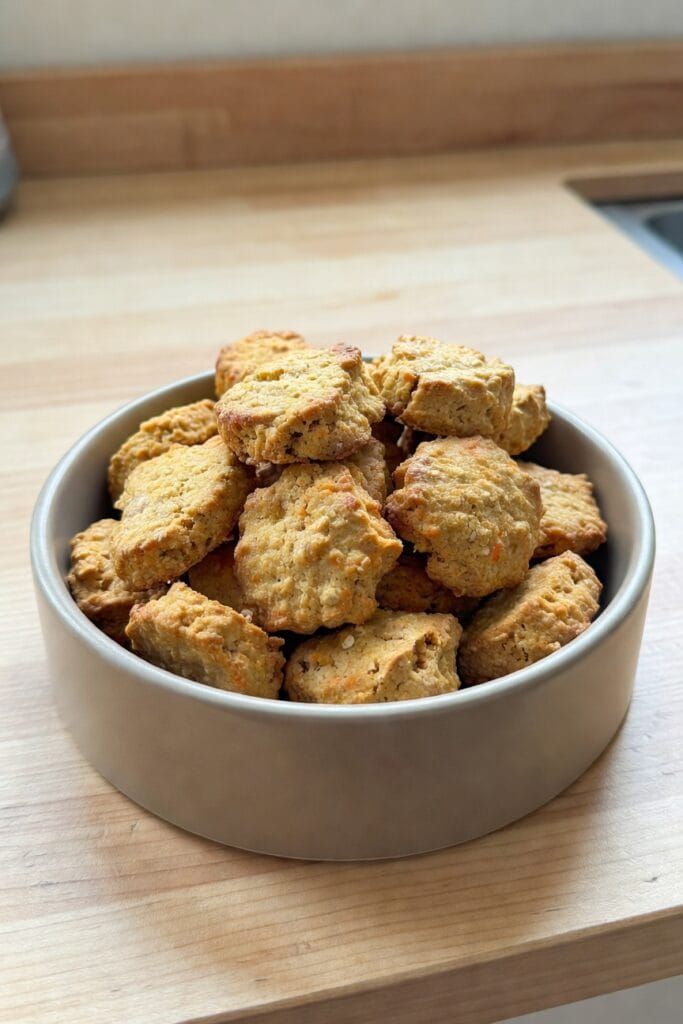
Serving Suggestions
Serve these as training treats, meal toppers, or just-for-fun rewards. Small dogs only need a tiny piece, while larger breeds can enjoy a full biscuit.
- Break biscuits into smaller pieces for training sessions to avoid overfeeding.
- Crumble a biscuit over wet food for added texture and interest.
- Use them as a novelty reward on special walks, or hide one in a snuffle mat for enrichment.
Keep portion control in mind. Treats should stay under 10% of daily calories, IMO. If you need calorie guidance, check your dog’s regular food package or ask your vet.
Storage Tips
Store biscuits to keep them fresh and crunchy.
- Room temperature: Keep in an airtight container for up to 1 week.
- Refrigerator: Store up to 3 weeks for longer freshness.
- Freezer: Freeze in a zip-top bag or container for up to 3 months. Thaw at room temperature or warm for a few seconds in the microwave.
If biscuits soften, reheat for 2-3 minutes in a 300°F oven to restore crispness. FYI, dogs love the warm smell.
Variations and Add-Ins
Want to switch things up? Try these safe variations to suit your dog’s tastes or needs.
- Pumpkin and Oatmeal: Swap grated carrot for canned plain pumpkin for extra fiber and digestive support.
- Chicken and Carrot: Add 1/4 cup cooked, shredded chicken for extra protein. Reduce applesauce slightly to keep dough firm.
- Herb boost: Stir in a pinch of dried parsley for fresh breath benefits.
- Grain-free: Use 1 3/4 cups almond or coconut flour with adjustments – those flours absorb more liquid, so add water slowly.
Avoid adding onion powder, garlic, grapes, or raisins. Those harm dogs and offer no benefit.
Allergy tweaks
If your dog has food allergies, try single-ingredient flours like oat or rice flour, and swap peanut butter for unsweetened sunflower seed butter if your vet approves.
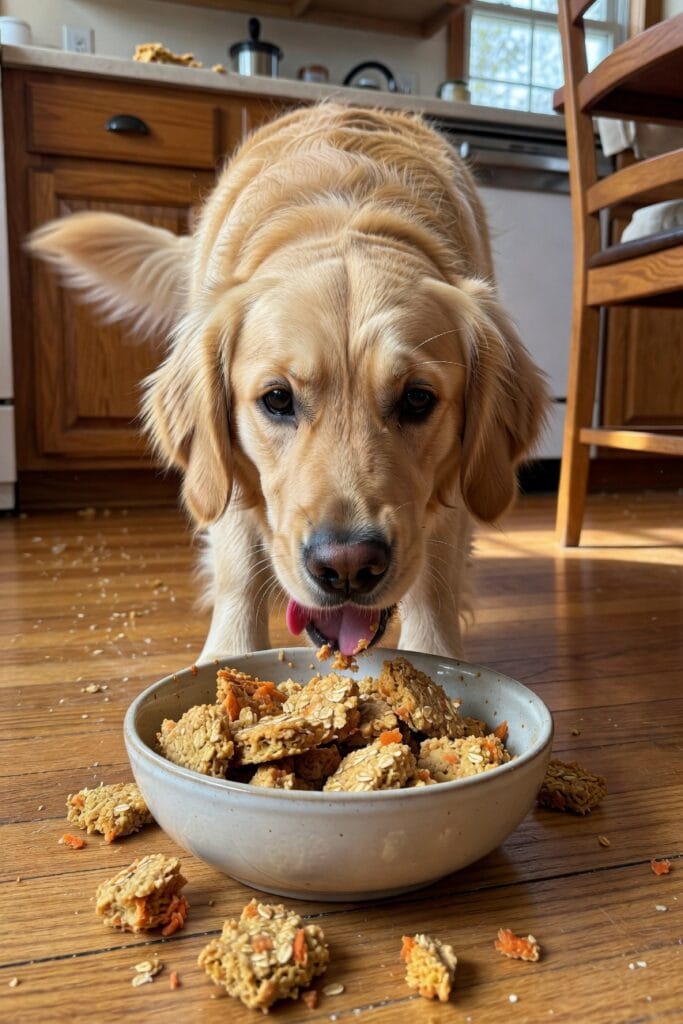
Training Tips with Treats
Use small pieces for high-reward training sessions. Dogs respond better to frequent, tiny rewards than fewer large ones. For shy or nervous pups, pair treats with praise and short sessions to build positive associations.
- Keep a dedicated treat pouch during walks for quick reinforcement.
- Reserve the freshest biscuits for training, and use older ones for enrichment games.
Watch the calorie math
Count treats toward daily calories. A medium biscuit might equal 30-60 calories depending on size. Too many treats can cause weight gain, and nobody wants a chubby corgi.
FAQs
Are these biscuits safe for puppies?
Yes, you can give these to puppies once they handle solid foods, but cut pieces smaller. Puppies need more calories and balanced puppy food, so treats should remain small and occasional. Check with your vet for puppy-specific needs.
Can I use any type of flour?
You can swap whole wheat for oat, rice, or other dog-safe flours. If you use almond or coconut flour, adjust liquids because they absorb differently. Grain-free options work, but I recommend consulting your vet if your dog has allergies.
How often can I give these biscuits?
Treats should not exceed 10% of your dog’s daily calorie intake. For many dogs, 2-4 small biscuits per day fits fine, but adjust by size and activity level. Overfeeding leads to weight gain and joint stress.
What if my dog is allergic to peanut butter?
Use unsweetened sunflower seed butter or plain mashed sweet potato or pumpkin as safe alternatives. Always introduce any new ingredient slowly and watch for reactions.
Can diabetic dogs eat these?
Monitor the carbohydrate content and quantity. The recipe uses applesauce or banana for binding – for diabetic dogs, skip sweet fruit and use more egg or pumpkin plus a bit more flour. Always consult your veterinarian before adding treats to a diabetic dog’s diet.
How do I know if a biscuit went bad?
Smell for rancid or sour odors, and check for mold. Stale biscuits lose crispness but remain safe if stored well. When in doubt, toss it. Better safe than sorry with dog health.